Currently, fewer than half of patients diagnosed with osteoporosis receive appropriate pharmacologic therapy. This treatment gap reflects several challenges in osteoporosis management, including limited disease awareness, barriers to medication access, clinician discomfort with therapy selection, and uncertainty regarding the optimal timing of treatment initiation.

All News
Today Lilly announced top line results of the TOGETHER-PsO open-label, Phase 3b trial demonstrating the significant benefits of concomitant ixekizumab (IXE: an IL-17A inhibitor) and tirzepatide (TIR: GLP-1agonist) over IXE alone.
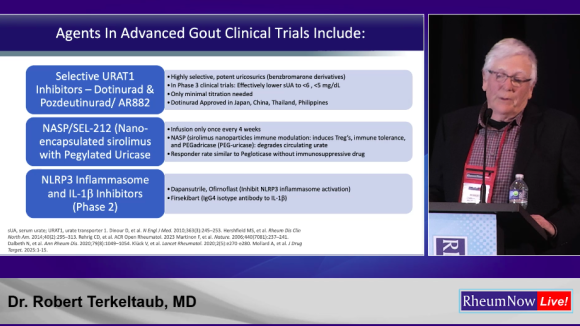
Gout management has entered what Dr. Robert Terkeltaub MD from UC San Diego described as its “disease-modifying era,” during his talk at RheumNow Live 2026. In a recent comprehensive review of the past, present, and future of gout therapy, the central message was clear: “We can really apply disease modification to gout based on prospective, randomized controlled trials.”
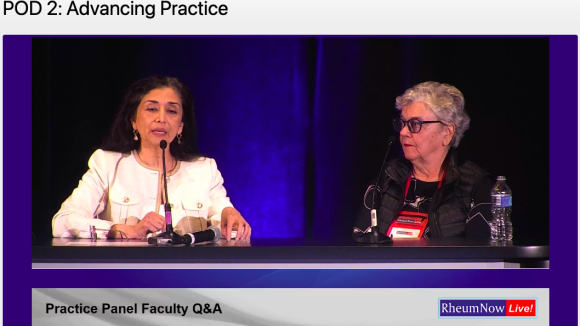
Rheumatologic care involves multidisciplinary approaches and collaboration with specialties to treat complex, systemic diseases. While many Pods at RheumNow Live are disease specific, the Pod II focused on Advancing Practice on important and emerging areas affecting rheumatologic patients. This session focused on two major areas of need: obesity and peri-operative management.
Sunday’s vasculitis session at RNL26 was a fantastic update on inflamed blood vessels, large and small, by two experts in the field: rheumatologist Dr. Mike Putman and dermatopathologist Dr. Clay Cockerell.
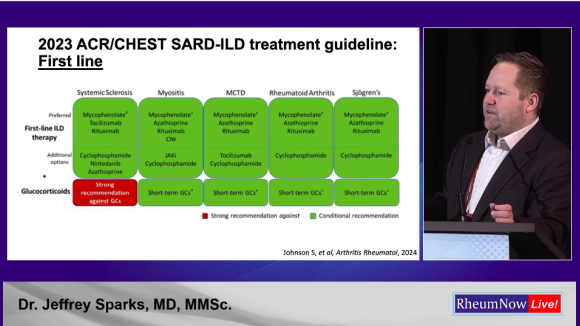
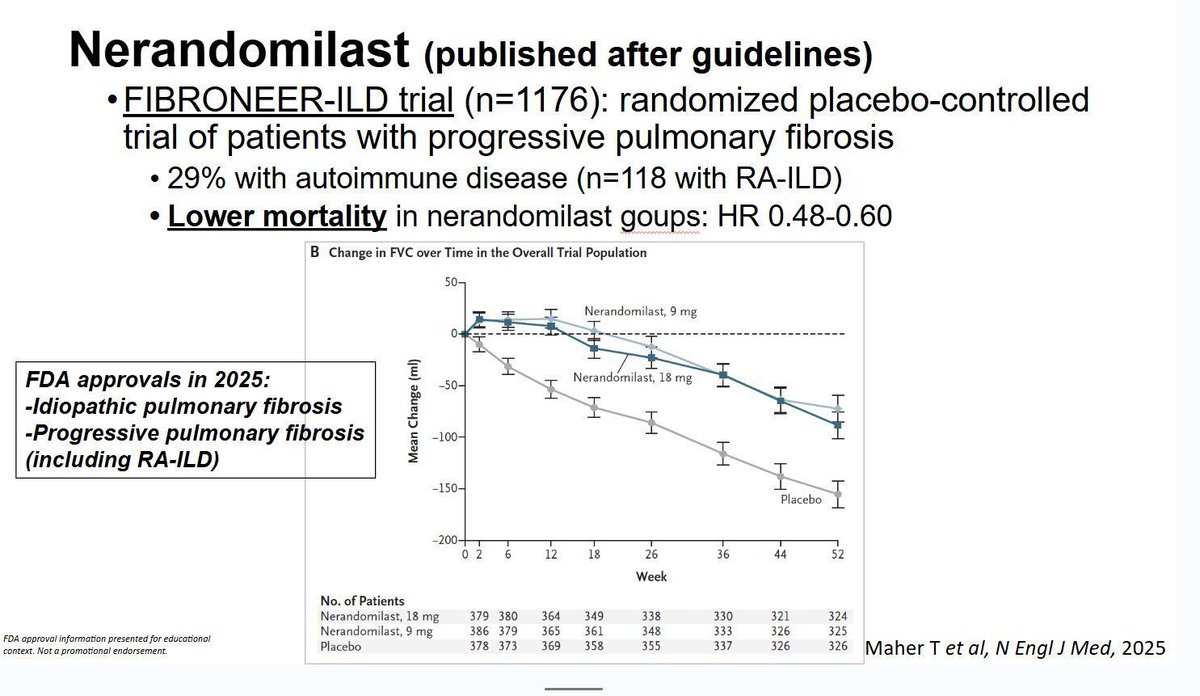
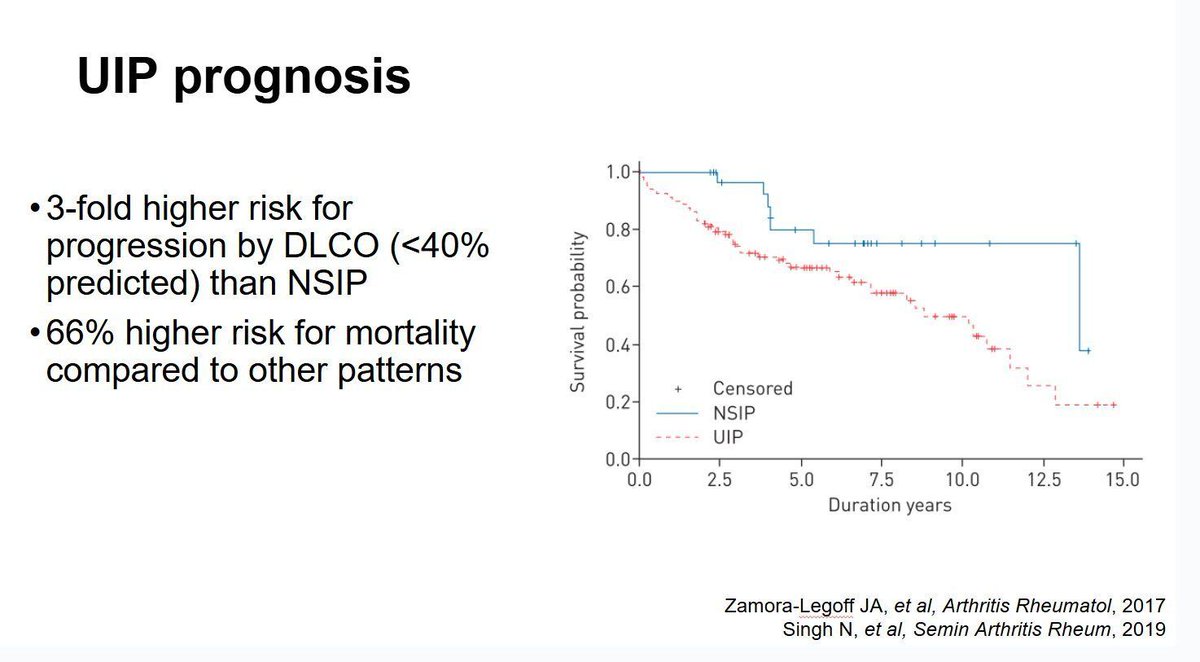
Dr. Jeffrey Sparks gave a state of the art update on Advances in RA-ILD, many of which he and his group have played a big part in, on Saturday at RNL26.
Dr. Jack Cush reviews the news, journal articles and regulatory news from this past week on RheumNow.com
FDA vs. Amgen: At Odds Over Avacopan
The FDA has requested that Amgen voluntarily withdraw avacopan (Tavneos), a treatment for anti-neutrophil cytoplasmic autoantibody (ANCA)-associated vasculitis, but the company said it has no plans to pull the drug from the market.
Lancet Rheumatology has published the ALTO results - long term outcomes of the APIPPRA trial, demonstrating that treatment with abatacept (ABA) in at risk patients can delay progression to rheumatoid arthritis (RA) for up to 4 years.