
Article
Diet has long been considered a potential risk factor for the onset or pathogenesis of rheumatoid arthris. Obesity and the microbiome are being intensively studied as risk factors for RA.

Search for Terms or Answers
Diet has long been considered a potential risk factor for the onset or pathogenesis of rheumatoid arthris. Obesity and the microbiome are being intensively studied as risk factors for RA.

Acute coronary syndromes (ACSs), myocardial infarctions and heart failure appear to be a hazardous consequence to systemic and articular inflammation in rheumatoid arthritis.

Biologics have been a great advance in therapeutics, but at great cost. Although biologics account for less than 1% of all prescriptions in the USA, they account for 28% percent of the cost of prescribed medications.

Knee replacement surgery is on the rise, and so is the cost.
Biosimilars are rapidly growing. Many of these will have their first introduction to countries outside of the USA. There is concern whether biosimilars will provide identical pharmacodynamics, biological function, efficacy and toxicity to reference products, both in the short and long term.

Long-term management of osteoporosis can be challenging, and given the increasing number of choices, the best sequence of drug use has not been addressed adequately.

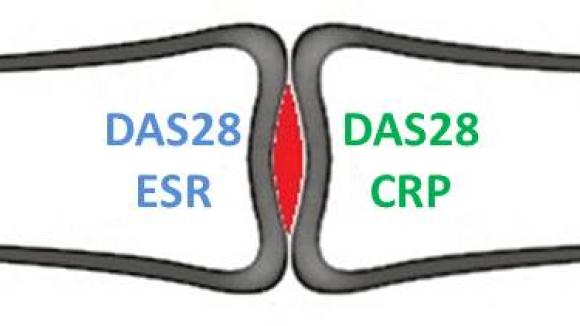
The disease activity score (DAS28) has been developed as a dynamic assessment tool and a therapeutic response measure for use in clinical trials and practice.
Poor cardiovascular outcomes have been linked to inflammation and rheumatoid arthritis (RA). This includes higher rates of MI and heart failure (HF).
The American College of Rheumatology and the European League against Rheumatism joined forces to finalize classification criteria for gout, a condition that affects 8.3 million Americans.
Yoga and stretching appear to be important forms of exercise for patients with fibromyalgia, but their utility has seldom been explored in patients with rheumatoid or osteoarthritis.

The rheumatology therapeutic landscape has changed almost yearly in the last 15 years, with the introduction of at least 16 biologic or novel agents for the treatment of rheumatoid arthritis (RA), psoriatic arthritis (PsA), ankylosing spondylitis (AS), spondyloarthritis (SpA), juvenile arthritis,
The FDA has strengthened its warnings for the type 2 diabetes drug canagliflozin (Invokana, Invokamet) and the apparent increased risk of bone fractures, and added new information about decreased bone mineral density.

14-3-3η (eta) is a new test that may be useful in diagnosing patients with early rheumatoid arthritis. The test is 77% sensitive and 93% specific for RA and developers have found that antibodies against 14-3-3η may correlate with drug responsiveness.
The development of arthritis is an underappreciated reason why individuals become impoverished -- a finding that was particularly pronounced for women, an Australian study found.

Neutrophils are pivotal players in the innate immune response, but are seldom linked to the pathogenesis of inflammatory arthritis, including juvenile idiopathic inflammatory arthritis (JIA).
Researchers from Malmo, Sweden have analyzed data from 383 patients, taken from two population based health surveys with a total of 50,705 participants, and found there is a strong association between a high BMI in men and a lower risk of developing rheumatoid arthritis (RA).

Safety reports from literature include long-term safety of rituximab, rituximab-induced neutropenia, tabalumab (Anti-BAFF Mab) results from the ILLUMINATE trial, colchicine toxicity increased in CKD patients, FDA updates and drug labeling changes, and more.

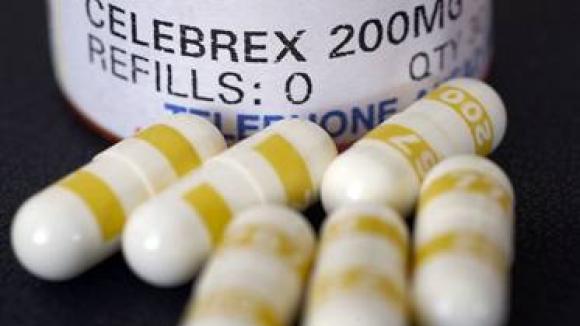
Since the 2005 FDA hearing that resulted in the removal of Vioxx and Bextra from the US market, the safety of nonselective NSAIDs (nsNSAIDs) and selective Cox-2 inhibitors (e.g., celecoxib) has been repeatedly questioned, often without new or substantive data.
Using Medicare claims data on 189,326 RA patients, researchers at the University of Alabama at Birmingham examined the rates of hospitalized infections in previously biologic-treated RA patients and compared rates in cohorts starting new treatment with etanercept, adalimumab, certolizum

PNAS has reported the work of an international team of scientists from the University College Dublin and the University of Sheffield, who have studied DNA samples and biopsy samples from joints of over 1,000 rheumatoid arthritis patients in the UK and Ireland and determined the C5orf30 gene to be

By downloading this material, I acknowledge that it may be used only for personal use and personal education and that I will accredit RheumNow.com as the source and owner of this material. Commercial use or mass reproduction of this material without permission from RheumNow (info@rheumnow.com) is prohibited.