
Article
Dr. Jack Cush reviews the journal reports and news from RheumNow.com. This week we discuss moral distress, FM in PsA, Lyme Vax is back & hidden but tangible benefits of the MDHAQ.

Search for Terms or Answers
Dr. Jack Cush reviews the journal reports and news from RheumNow.com. This week we discuss moral distress, FM in PsA, Lyme Vax is back & hidden but tangible benefits of the MDHAQ.

Medicare coverage of targeted disease-modifying anti-rheumatic drugs (DMARDs) for rheumatoid arthritis (RA) -- both under Medicare Advantage and in separate Part D plans -- is likely to leave many patients wanting, researchers found.
Dr. Jack Cush reviews the regulatory actions, news and journal reports from this past week on RheumNow.com.
The European Alliance of Associations for Rheumatology (EULAR) has updated their rheumatoid arthritis (RA) management recommendations, notably with fewer recommendations (total of 9, down from 11 in 2022 version), by merging and removing previous recommendations.

Misuse of laboratory testing may lead to misdiagnoses and mismanagement; this is particulary prevalent when clinicians consider the use of the diagnostic use of serological autoimmune markers.

A retrospective study of patients who developed rheumatic immune-related adverse events (R-irAEs) after receiving immune checkpoint inhibitors (ICIs) at two oncology centers in Spain suggests that early recognition can lead to effective management that allows continuation of cancer therapy.

In RA, the goal is to control or arrest inflammation such that articular and bony damage is halted. While we have many effective therapies, it is not clear that biologic or targeted synthetic disease-modifying antirheumatic drugs (b/tsDMARDs) can prevent or improve osteoporosis outcomes in RA. A current real-world study showed that 1 year of b/tsDMARDs use did not arrest osteoporosis progression.
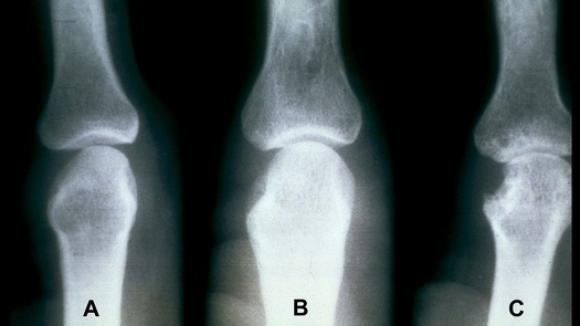


Prednisone use in Alberta primary care 546 #RA pts - 40% of PCP RA Rx w/ 1 or more prednisone Rx. 41% Rx w/ both Pred + DMARD, w/ 44% on Pred median 124 day before DMARD. 66% continued Pred >1 yr after DMARD initiation. https://t.co/wrxQRP2TWN https://t.co/XxWpjafBsk





By downloading this material, I acknowledge that it may be used only for personal use and personal education and that I will accredit RheumNow.com as the source and owner of this material. Commercial use or mass reproduction of this material without permission from RheumNow (info@rheumnow.com) is prohibited.
