Dr. Jack Cush reviews the news and journal articles from the past week on RheumNow.com. He discusses opioids, new approval for polyarticular JIA, running and osteoarthritis, and modifiable behaviors that influence outcomes.

All News
A current study in JAMA Internal Medicine showed that while US physicians who received no opioid-related marketing payments had fewer opioid prescriptions in 2015 compared with 2014, those receiving such payments wrote for more opioid in 2015.
A study from the Veterans Affairs clinics and the National Data Bank of Rheumatic Diseases shows that rheumatoid arthritis (RA) patients who were severely obese had a greater risk of progressive disability compared to overweight patients; that was not explained by their arthritis or inflammation.
Should celecoxib (Celebrex) be officially declared as no riskier for the heart than other non-steroidal anti-inflammatory drugs (NSAIDs) naproxen and ibuprofen, and do those other NSAIDs interfere with aspirin for cardiovascular prevention?
The PRECISION study took 11 years and 24,081 patients (90% OA; 10% RA).
Dr. Jack Cush reviews the news and journal reports from the past week on RheumNow.com. A second life for Syk kinase, Vitamin D talk, VTE, regulatory hearings and the Lupus clinic edge.
A systematic review in the Journal of the American Dental Association evaluated the safety and efficacy of analgesics and foundp opioids less effective than nonsteroidal anti-inflammatory drugs (NSAIDs) alone or in combination with acetaminophen when treating dental pain.
Arthritis & Rheumatology has published the results of the 2015 Workforce Study of Rheumatology Specialists, and estimates a current shortage (demand > supply) of 700 (12.9%) full-time rheumatologists and that this deficit will worsen (102%) to 4133 FTE by 2030.
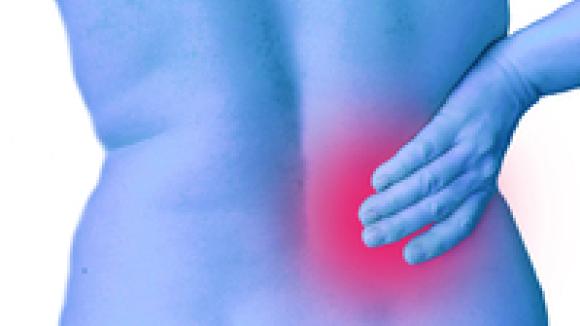
Lancet has several reports on low back pain (LBP) as a major problem worldwide, largely because of the aging population.
Low back pain is the leading cause of disability worldwide.
Three reports from JAMA Internal Medicine demonstrate favorable trends with less opioid use when cannabis became legal.
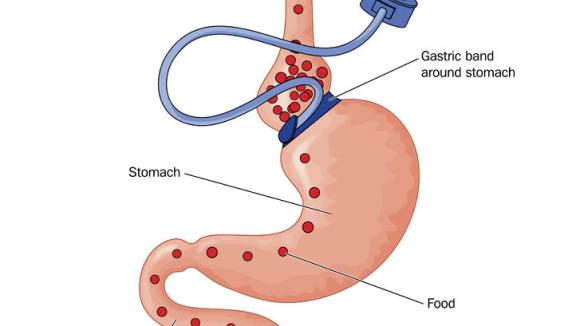
Laparoscopic gastric band (LAGB) surgery was associated with significant decreases in knee pain from osteoarthritis (OA), with the greatest improvements seen among those whose body mass index (BMI) had the greatest decreases and among younger patients, researchers reported.
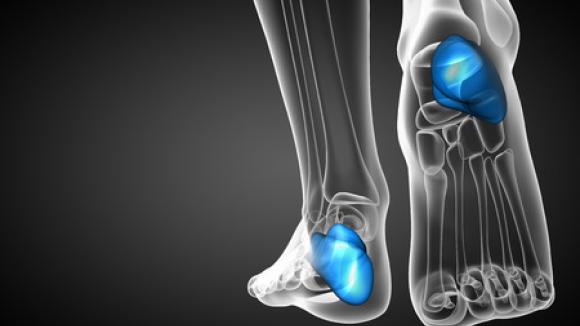
A report from the British Journal of Sports Medicine shows that commonly used drug store shoe inserts or customized orthotics are often ineffective in managing plantar heel pain.
MMWR reports that In 2015, the number of adults with arthritis continued to increase; with marked geographic variability in arthritis estimates with gaps in arthritis management.
The CDC released new information yesterday showing that emergency department (ED) visits for opioid overdoses rose 30% in the US from July 2016 through September 2017; in addition, those with an overdose are more likely to a repeat overdose.
JAMA reports that the SPACE trial demonstrates patients with chronic back or arthritis pain respond equally to 12 months of either opioids or non-opioid (acetaminophen or NSAIDs) analgesics.
Dr. Jack Cush reviews the news and highlights from the past week on RheumNow.com.
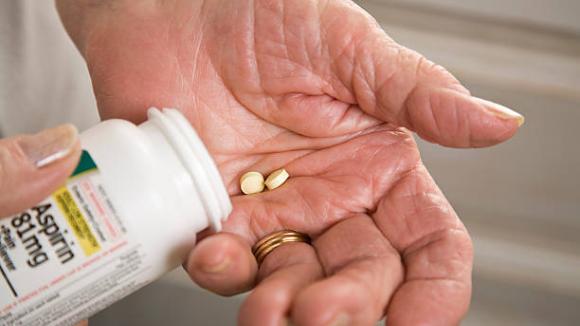
Many protocols call for anticoagulation after total hip or total knee arthroplasty to prevent venous thromboembolism (proximal deep-vein thrombosis or pulmonary embolism), and some reports have suggested a role for aspiring or direct oral anticoagulants as preventative therapy. The NEJM has reported that oral anticoagulation with rivaroxaban (Xarelto) followed by aspirin to be effective prophylaxis.
A Taiwanese study of 55,629 hypertensive patients shows no increased risk of major cardiovascular events comparing outcomes of patients started on COX-2 selective NSAIDs compared with nonselective NSAIDs (including ibuprofen, diclofenac and naproxen).
UK researchers have treated 248 patients with moderate to severe hand pain and radiographic osteoarthritis (OA) and demonstrated no benefit after 12 months of hydroxychloroquine (HCQ), according to a recent article in Annals of Internal Medicine.
An analysis of 43,706 adults from the 1999-2014 National Health and Nutrition Examination Surveys (NHANES) demonstrated temporal trends in the prevalence of arthritis, including a rise in osteoarthritis (OA) from 6.6% to 14.3%, while the prevalence of rheumatoid arthritis (RA) decreased from 5.9%