the predictive value of a positive ANA test—especially in the absence of other clinical symptoms—remains a challenge. A positive test often leads to further testing, yet it does not necessarily indicate whether a patient truly has an underlying autoimmune disease. The development of AI and machine learning algorithms presents an opportunity to interpret autoantibody tests and predict autoimmune diseases. Here are three studies looking at this issue.

All News
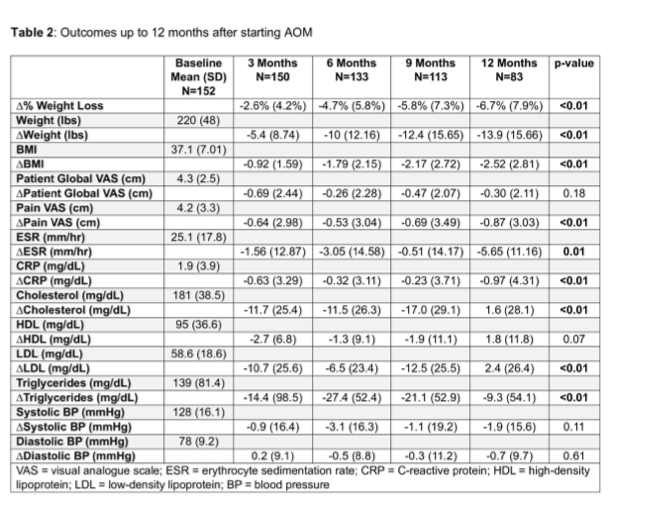
#2259 💊 Anti-Obesity Meds in RA 📊 152 RA patients on semaglutide/tirzepatide 🔑 Findings 💥Significant ⬇️weight, BMI, ESR, CRP, lipids, pain VAS 💥Improved CVD risk ⛔ 15% GI side effects, 27% discontinued 🔎Study of impact on RA outcomes needed #ACR24 @RheumNow #ACRBest https://t.co/6LCTZl5173
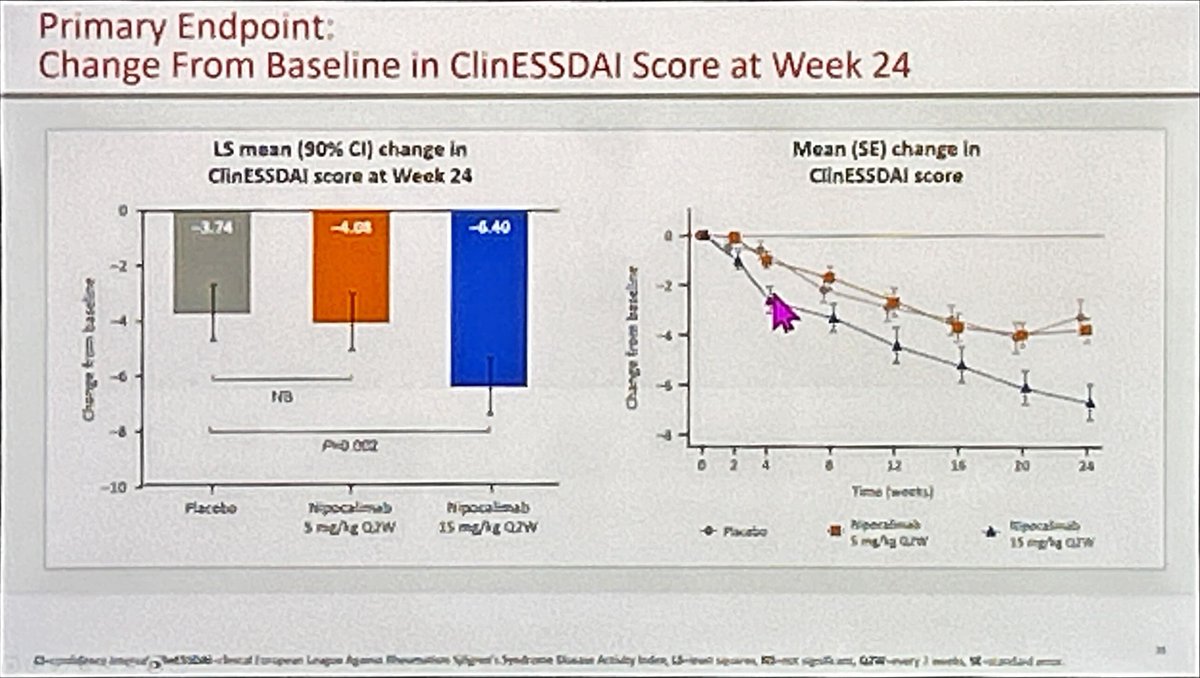
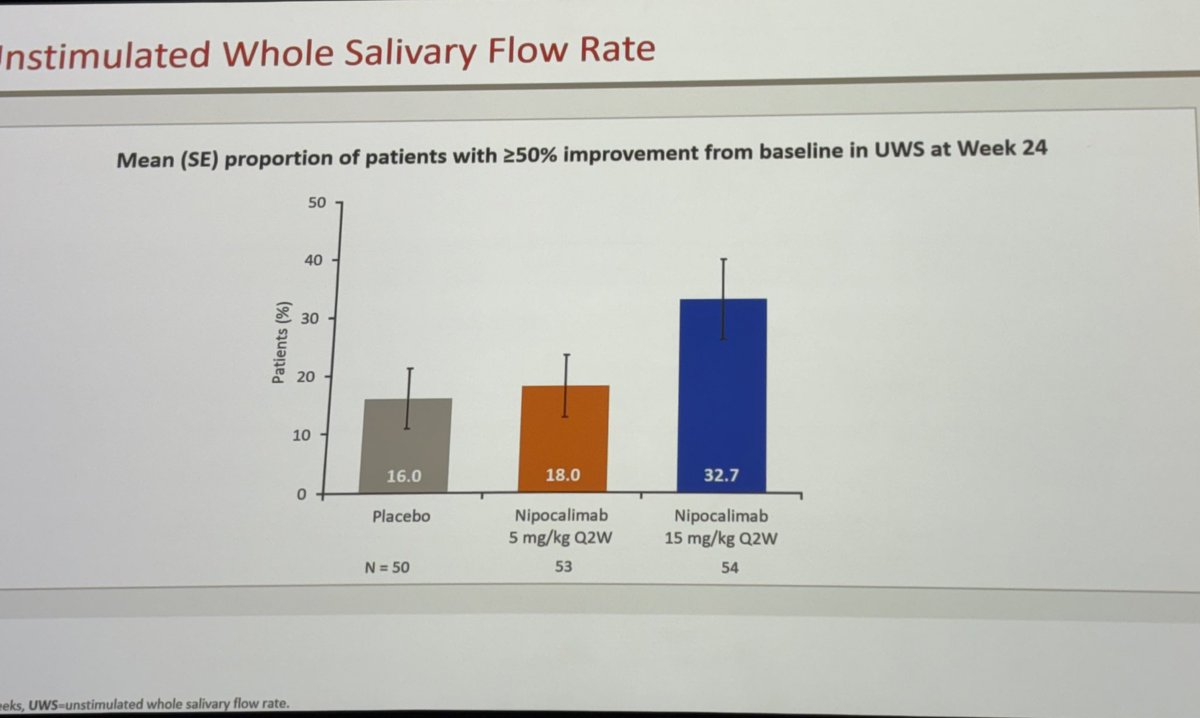
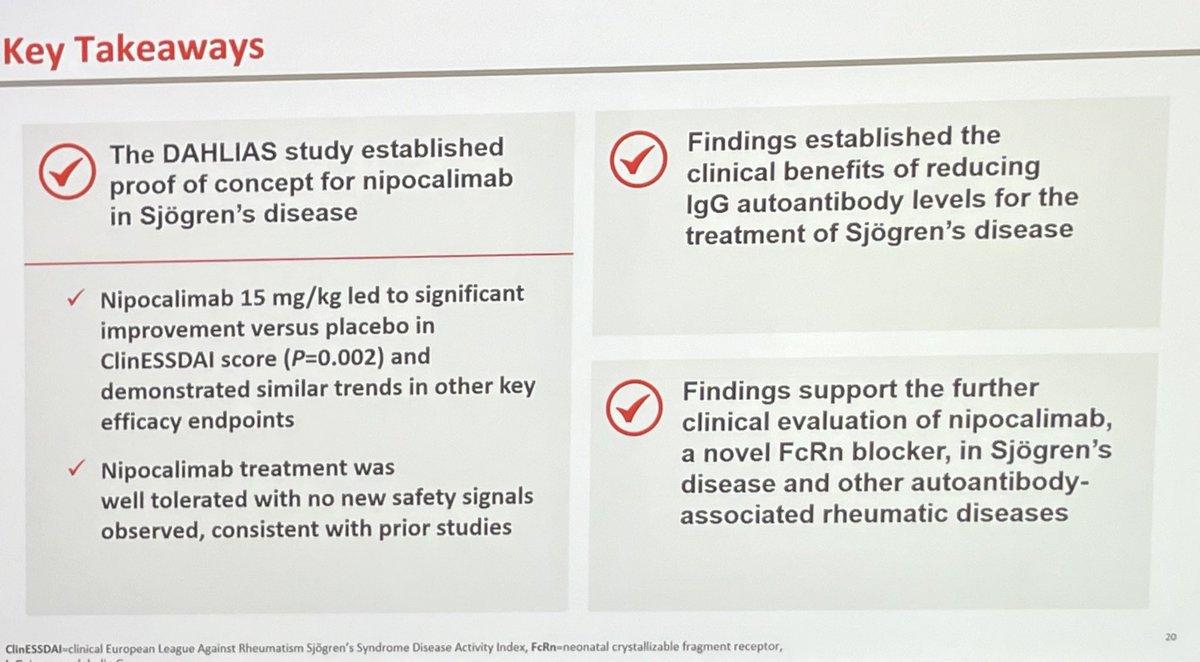
A#2527 DAHLIAS, P2 Nipocalimab: Anti-FcRn Ab in Ro+ SjD IV 5 or 15 mg/kg Prim Endpt: 15 mg/kg has ClinESSDAI at w24 -6.4 v -3.7 PBO p=0.002 Improv dryness, fatigue, pain Better unstim salivary flow Best response in higher Ab titer pts Safety data good #ACRBest #ACR24 @RheumNow https://t.co/O7zahPul66
Phase 2 DAHLIA study in Sjogrens Anti-neonatal Fc receptor an “nipocalimab” w/remarkably encouraging results clinESSDAI significantly better at wk24, notably met QOL domains as well Finally getting good news in SjS! #ACR24 @RheumNow #ACRbest Abst#2527 https://t.co/e3uQmqJZ1o