
Article
Dr. Jack Cush Reviews highlights from the past week on RheumNow.com:

Search for Terms or Answers
Dr. Jack Cush Reviews highlights from the past week on RheumNow.com:

Dr. Jack Cush reviews highlights and updates from the past week on RheumNow.com:
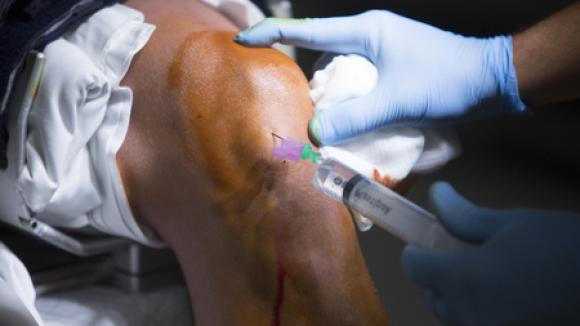
Treatment of knee osteoarthritis (with synovitis) with an injection of a corticosteroid every three months over two years resulted in significantly greater cartilage volume loss and no significant difference in knee pain compared to patients who received a placebo injection, according to a study
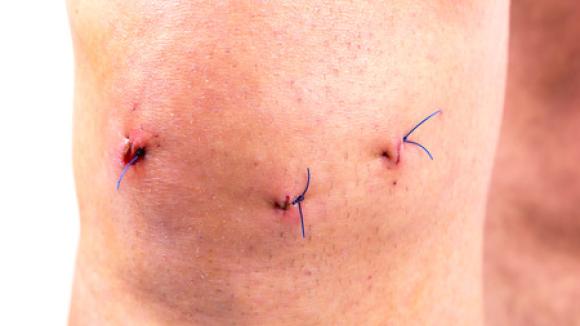
The British Medical Journal has published a clinical practice guideline for the use of arthroscopic surgery for degenerative knee arthritis and meniscal tears, suggesting that many patients will not benefit from such surgery.
Dr. Jack Cush highlights the big stories, news and articles from this week at RheumNow.com.
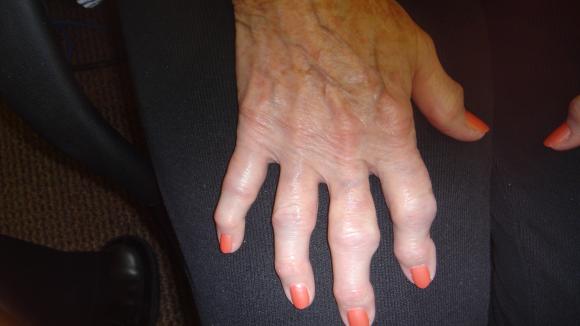
Qin and colleagues have published in Arthritis & Rheumatology that 40% of people will be affected by symptomatic osteoarthritis in at least one hand. (Citation source: http://buff.ly/2qTUscZ)
Dr Jack Cush reviews highlights from the news last week on RheumNow.com:
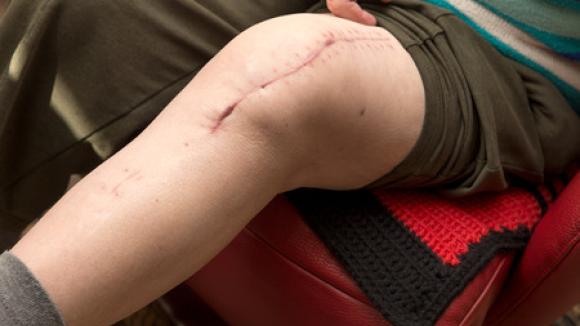
A New York Times article sheds light on recent evidence suggesting that those undergoing hip or knee replacement will do just as well with home therapy compared to inpatient rehabilitation following surgery.
The morbidity associated with osteoporosis-related fragility fractures imposes tremendous socioeconomic and medical impact on patients and society.
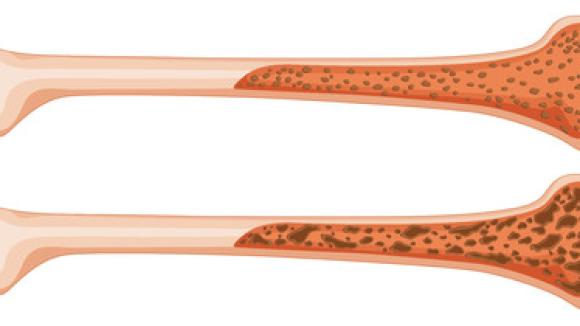
Steroids are known for their acute therpeutic wonders and chronic hazards. Hence most practitioners are comfortable using short term, limited dose corticosteroids for a variety of ailments.
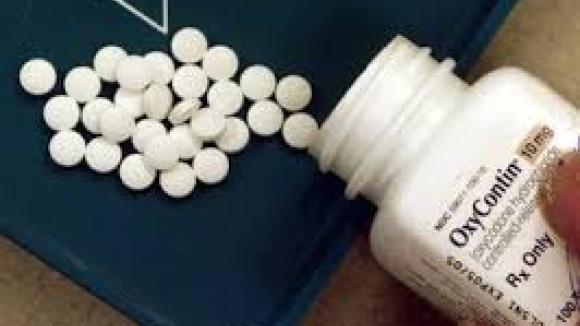
When do the risks outweigh the benefits of NSAIDs use, especially in those with prior cardiovascular and gastrointestinal events? The CONCERN study has tested the effects of proton-pump inhibitor (PPI) in preventing GI bleeds when using NSAIDs and ASA.
More research is needed to determine the benefits and harms of osteoporosis medications on bone mineral density (BMD), fracture risk, and safety among patients with chronic kidney disease (CKD). This is important because complications of CKD include weak bones and increased fracture risk.
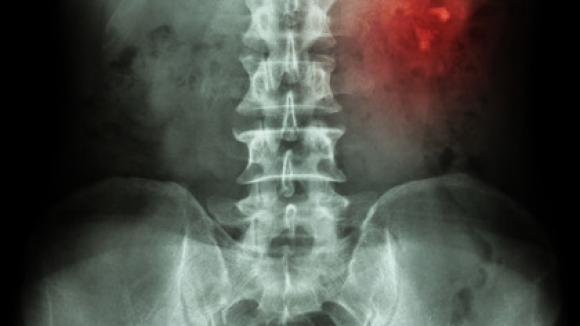
An article in the Journal of Bone and Mineral Research reports that physical activity during adolescence is an important determinant in bone strength. (Citation source http://buff.ly/2oph6vO)
Lyrica (pregabalin) was first approved in 2004 and since has been studied and approved for use in neuropathic pain (associated with diabetic neuropathy), postherpetic neuralgia, partial onset seizures, fibromyalgia and neuropathic pain with spinal cord injury.

A a randomized trial published in Annals of Internal Medicine shows that intradiscal glucocorticoid injection has limited (1 month) efficacy in treating low back pain (LBP) associated with active discopathy, yet decreased over time.
Clinical Rheumatology reports that the repeated intravenous administration of gadolinium-based contrast agents (GBCAs), although clinically useful, may be associated with rare toxicity and the uncertain clinical effects of accumulation.
Dr. Jack Cush reviews highlights in the news from the past week at RheumNow.com. News on hepatitis C in RA and risk of hepatotoxicity; TNF inhibitor persistence in PsA; unnecessary injections in pre-operative OA knee patients; and a delay in the FDA decision on abaloparatide.

Dr. Jack Cush reviews news and highlights from the past week on RheumNow.com. Sign up at RheumNow.com to received daily or weekly news, blogs and tweets on all things rheumatology
In the United States, doctor-diagnosed arthritis is a common and widespread chronic condition (1,2). Arthritis is a leading cause of disability (3) and is projected to affect 78.4 million adults by 2040.
Dr. Jack Cush reviews highlights from the past week on RheumNow.com:
By downloading this material, I acknowledge that it may be used only for personal use and personal education and that I will accredit RheumNow.com as the source and owner of this material. Commercial use or mass reproduction of this material without permission from RheumNow (info@rheumnow.com) is prohibited.