Article
Dr. Jack Cush reviews the news, journal reports and important associations in rheumatology from the past week on RheumNow.com.

Search for Terms or Answers
Dr. Jack Cush reviews the news, journal reports and important associations in rheumatology from the past week on RheumNow.com.

People with rheumatoid arthritis (RA) who experienced disease flares often showed changes in heart rate and physical activity captured by popular wearable devices 4 weeks before they became clinically apparent, a small study indicated.

An exercise and diet intervention study showed that while exercise improved hip pain, adding a weight loss diet to exercise did not change hip pain but improve most secondary outcomes.

FDA announced yesterday that guselkumab (Tremfya) is approved for use in pediatric patients moderate to severe plaque psoriasis (PsO) or active psoriatic arthritis (PsA) in children six years and older (weighing at least 40 kg).

Dr. Jack Cush reviews the news and journal articles from RheumNow.com. Pool therapy, Fibrosis, NSIE's and what's best for knee OA.
A French early rheumatoid arthritis (RA) study has shown that polypharmacy (PP) was associated with significant lower treatment responses and more serious adverse events (SAEs).
Scientists have discovered that rheumatoid arthritis (RA) doesn’t start when the pain begins. It silently starts years earlier.The new research reveals that people at risk for RA experience dramatic immune system changes long before they feel symptoms.
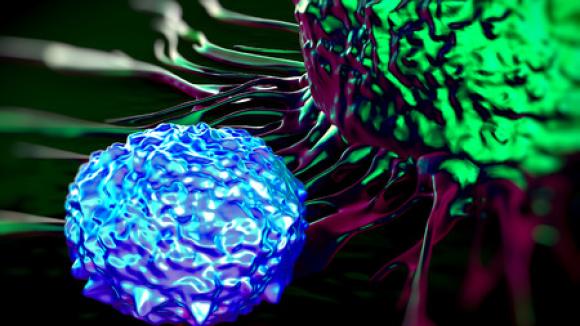
Five patients with systemic lupus erythematosus (SLE) in China have been treated with a potentially groundbreaking form of chimeric antigen receptor (CAR) T-cell therapy, researchers reported, with encouraging results after 3 months.
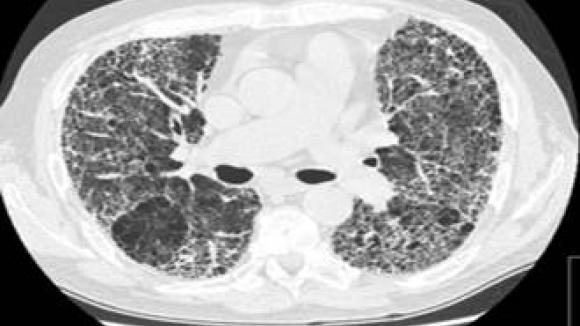
A systematic review and meta-analysis examined the role of high-resolution computed tomography (HRCT) in diagnosing and characterizing interstitial lung disease (ILD) associated with connective tissue diseases (CTDs).
What is the optimal glucocorticoids (GC) regimen in giant cell arteritis (GCA)? Does methotrexate (MTX) work in GCA?
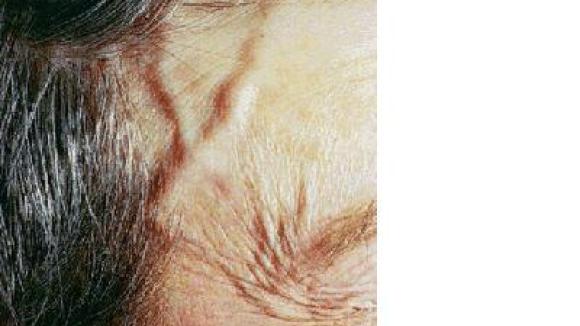
Dr. Jack Cush reviews the news and journal reports from this week on RheumNow.com. Today we cover GLP-1 agonists, acupuncture, what JAKs won’t do & an FDA Pink Slip.
A multicenter study investigated the association between hydroxychloroquine (HCQ) dosage and COVID-19 mortality among hospitalized patients from multiple medical centers in China. The analysis focused on dose effects of HCQ on mortality.
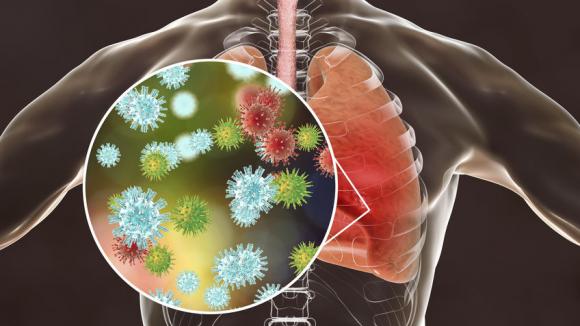
Patients with rheumatoid arthritis (RA) who used GLP-1 receptor agonists had less disease activity and improved cardiovascular biomarkers, a small retrospective study indicated.

A new study led by investigators at Mass General Brigham finds that adding novel weight loss GLP-1 drugs semaglutide and tirzepatide to usual care represents a cost-effective treatment strategy for people with knee osteoarthritis and obesity, with tirzepatide providing greater health benefits at lower cost compared to semaglutide.



By downloading this material, I acknowledge that it may be used only for personal use and personal education and that I will accredit RheumNow.com as the source and owner of this material. Commercial use or mass reproduction of this material without permission from RheumNow (info@rheumnow.com) is prohibited.