The phase 3 ZEUS trial (published in JAMA Dec. 2025) tested the IL-6 ligand inhibitor ziltivekimab in over 6,000 patients with atherosclerotic cardiovascular disease, chronic kidney disease, and elevated hsCRP—a population enriched for an inflammatory driver of risk.

All News
The British Society for Rheumatology has issued its first guideline dedicated solely to pain in inflammatory arthritis (IA)—covering RA, PsA, axial SpA and JIA.
JAMA has updated its guidance for the acceptable use of artificial intelligence (AI) in authoring a medical publication. Despite growing AI use, very low rates of disclosure of AI use have been reported. This update provides specific information about what is permitted and not permitted, and what needs to be disclosed.
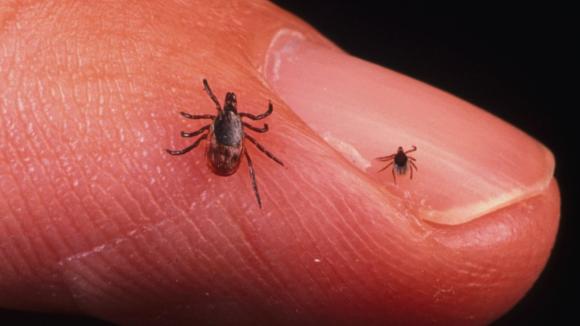
JAMA has published an overview of new considerations on Lyme disease, focusing on Diagnostics, Vaccines, and Prevention.
POETYK PsA-1 trial tested the disease modifying efficacy of deucravacitinib, a tyrosine kinase 2 (TYK2) inhibitor, in psoriatic arthritis (PsA) patients and was shown to be superior vs to placebo for clinical responses, patient-reported outcomes, and structural damage inhibition in PsA.
U.S. News & World Report has published its Best Hospitals for 2026-2027, listing the best among many specialties, including rheumatology. Each year U.S. News Best Hospitals ranked hospitals in the U.S.
People taking hydroxychloroquine (HCQ) for systemic lupus erythematosus (SLE) showed markedly increased risk for atherosclerotic cardiovascular disease when blood levels of the drug were low and when long-term adherence was poor, a prospective study showed.
Dr. Jack Cush reviews the news and journal articles from this past week on RheumNow.com.
New Avacopan Analysis Sent to FDA
After data manipulation allegations, the FDA has been calling for the vasculitis drug to be pulled from the market since January.
July is Juvenile Arthritis Awareness Month, and while many people think of arthritis as a disease of aging, nearly 300,000 children in the U.S. are living with a rheumatic disease.
Researchers examined genetic data drawn from 11 different worldwide cohorts, that included from more than 2.5 million adults, of which 55,000 had been diagnosed with fibromyalgia. They identified DNA sequence variants in 26 regions of the genome that affect the risk of developing fibromyalgia. Many of the genes implicated in these regions are involved in brain and nerve function. This is the largest fibromyalgia GWAS to date.
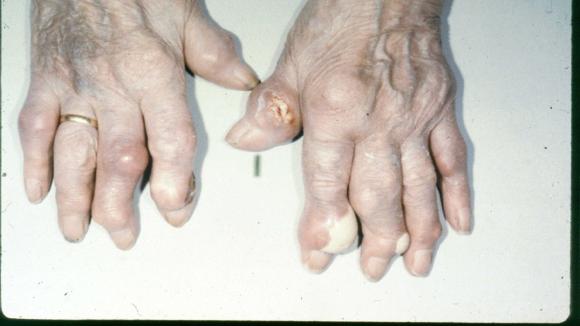
In most mammals, uricase catalyzes the oxidation of uric acid to allantoin, a highly soluble compound easily excreted by the kidneys. But humans lack functional uricase, leaving xanthine oxidase inhibitors (allopurinol/febuxostat) as first-line urate-lowering therapy (ULT). Uricase-based biologics are reserved for uncontrolled/refractory gout patients with gouty flares, active synovitis, and/or non-resolving tophi despite optimized oral ULT.
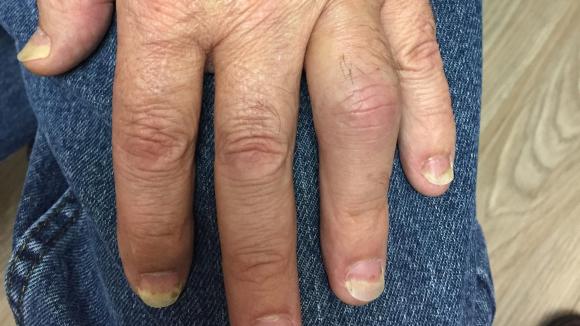
Dactylitis, AKA the "sausage digit", is a hallmark of psoriatic arthritis (PsA), but as Possemato and colleagues point out, it is fundamentally a clinical sign, and not a diagnosis. This review article discusses the wider implications of dactylitis in rheumatology and medicine underscores the diagnostic and prognostic significance of this manifestation.
Dr. Jack Cush reviews the news, journal reports from the past week on RheumNow.com.