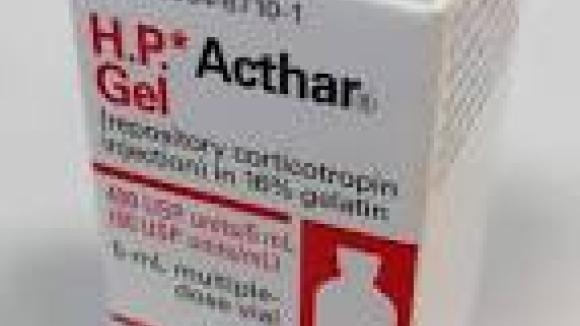
Reuters reports that Mallinckrodt Plc has received a subpoena from the U.S. Securities and Exchange Commission for documents related to the drugmaker’s lawsuit against the U.S. Department of Health and Human Services (HHS).
All News
Dr. Jack Cush reviews recent journal articles and info bits from the past week on RheumNow.com.
The Global Burden of Diseases, Injuries, and Risk Factors study (GBD) from 2017 analyzed the burden of rheumatoid arthritis (RA) for 195 countries between 1990 to 2017 and surmised that RA is a major global public health challenge, with increasing prevalence and incidence rates.
JAMA has an article this week on the shift from biologic drugs to less expensive therapeutic biosimilar agents. The impact of biosimilars can be easily represented by the shift from adalimuamb - a biologic with nearly $19 billion in sales in 2018 - to any one of the four FDA approved biosimilars for adalimumab (see the daily download for slides on new adalimumab and other biosimilars).
Dr. Jack Cush reviews the news and journal articles from the past week on RheumNow.com.
Despite the well known, well publicized treat-to-target (T2T) goal of a serum uric acid (SUA) level 6 mg/dl, this goal is seldom achieved ( 40%) in clinical practice and patient adherence has been unacceptably low. A recent study shows that nurse-led care led to better outcomes in gout including patient acceptability, long-term adherence, and less flares.
Ustekinumab (Stelara) is now FDA-approved to treat moderately to severely active ulcerative colitis, said drugmaker Janssen on Monday, in addition to its indications for psoriasis, psoriatic arthritis, and Crohn's disease.
Dannish study has shown that one-third of psoriatic arthritis (PsA) will have joint surgery that that PsA patients have twice the rate of joint surgery when compared with the general population.
A prospective analysis of newly diagnosed, inflammatory arthritis (IA) patients suggests that perceived distress (stress) increases the odds of incident IA.
Dr. Jack Cush delivers select commentary on select news and journal articles from the past week on RheumNow.com.
The National Rheumatoid Arthritis Society's (NRAS) annual audit has identified significant treatment delays for patients with suspected early inflammatory arthritis could result in unnecessary harm.
Reuters has reported the results of a recent Institute for Clinical and Economic Review (ICER) analysis showing that biologics, especially Humira and Rituxan, are leading the way in the cost of drugs in the USA.
All told, Humira and Rituxan topped a list of seven treatments whose combined 2017 and 2018 price hikes accounted for a $5.1 billion increase in U.S. drug spending. ICER said their analysis points to price hikes that were more than twice the rate of medical inflation and were not warranted by any new clinical evidence.
The FUTURE 5 trial studied the effect of secukinumab (SEC) on radiographic progression through 52 weeks in patients with active psoriatic arthritis (PsA) and found that SEC was clinically and radiographically superior to placebo (PBO).
Patients received s.c. secukinumab 300 mg load (300 mg), 150 mg load (150 mg), 150 mg no load regimens or placebo at baseline, at weeks 1, 2 and 3 and every 4 weeks starting at week 4. The majority (87%) of patients enrolled at baseline remained in the study for 52 weeks.
Another UK study has suggested that prior use of antibiotics increases the risk of developing rheumatoid arthritis (RA).
Dr. Jack Cush reviews the News and Journal Reports from this week on RheumNow.com.
While the efficacy and safety of interleukin 1 (IL-1) inhibitors (e.g., anakinra) in the acute management of gout and pseudogout has been repeatedly shown, the cost efficacy of such biologic therapy has rendered it impractical for most. A new retrospective study has shown that IL-1 inhibitors may be effective and appropriate for some medically complex, hospitalized patients with acute gout or calcium pyrophosphate crystal arthritis.
Rheumatology leaders commend CMS for proposing E/M code changes and urge agency to make additional changes to final rule.d
Dr. Jack Cush reviews the news and journal articles from the past week on RheumNow.com.
Obinutuzumab (Gazyva) has been granted Breakthrough Therapy Designation (BTD) by the U.S. Food and Drug Administration (FDA) for use in adults with lupus nephritis (LN). The drug made by Genentech, is going forward based on the Phase II NOBILITY study in adult patients with proliferative lupus nephritis (LN). Currently, there are no FDA-approved medicines for lupus nephritis.
Americans living with rheumatic disease face significant healthcare challenges, according to a national patient survey released this week by the American College of Rheumatology. More than 1,500 U.S. adults living with rheumatic disease responded to the survey, which asked a range of questions related to healthcare access, affordability and lifestyle. Key findings include that even though 90 percent of respondents reported having health insurance coverage, nearly 60 percent said they had difficulty affording their medications or treatments in the past year.