Article
Dr. Jack Cush reviews the book/movie, "Moneyball" and a suggests moneyball strategy is needed to find next level responses for our patients.

Search for Terms or Answers
Dr. Jack Cush reviews the book/movie, "Moneyball" and a suggests moneyball strategy is needed to find next level responses for our patients.
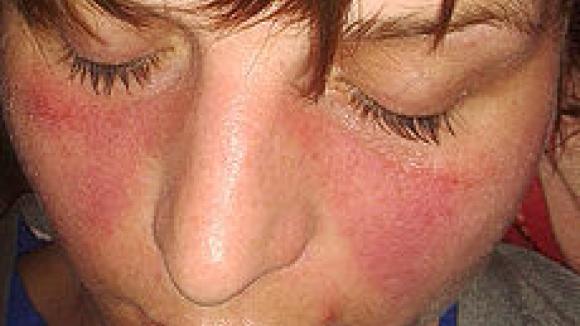
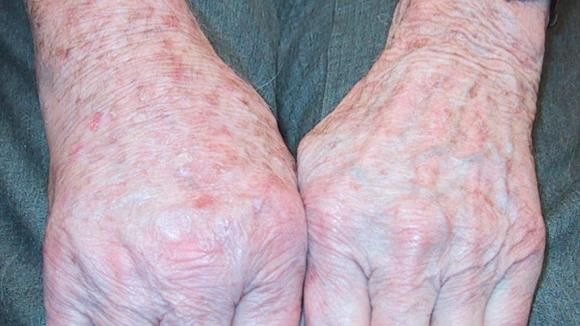
A post hoc analysis of a belimumab (BEL) inn systemic lupus erythematosus (SLE) study showed lupus mucocutaneous and vasculitic manifestations improve with BEL and standard care.
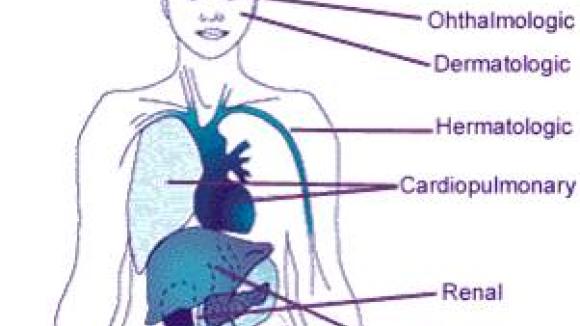
Lupus valvulitis is a rare cardiac manifestation of active systemic lupus erythematosus (SLE) and is defined by inflammation of one or more cardiac valves. It is often associated with Libman-Sacks endocarditis, which is characterized by the presence of sterile vegetations on the heart valves.

In a first-of-its-kind genome-wide association study (GWAS) researchers have discovered two genes, RNF144B and ENPP1, that cause calcium pyrophosphate deposition (CPPD) disease in Americans of European and African descent.
The ACR has released its 2025 Systemic Lupus Erythematosus (SLE) treatment guidelines and consensus-based good practice statements, applicable to children and adults with SLE.
Dr. Jack Cush reviews the news and journal reports from RheumNow.com - including views on the vagus nerve, NPSLE and CAR-T mania.
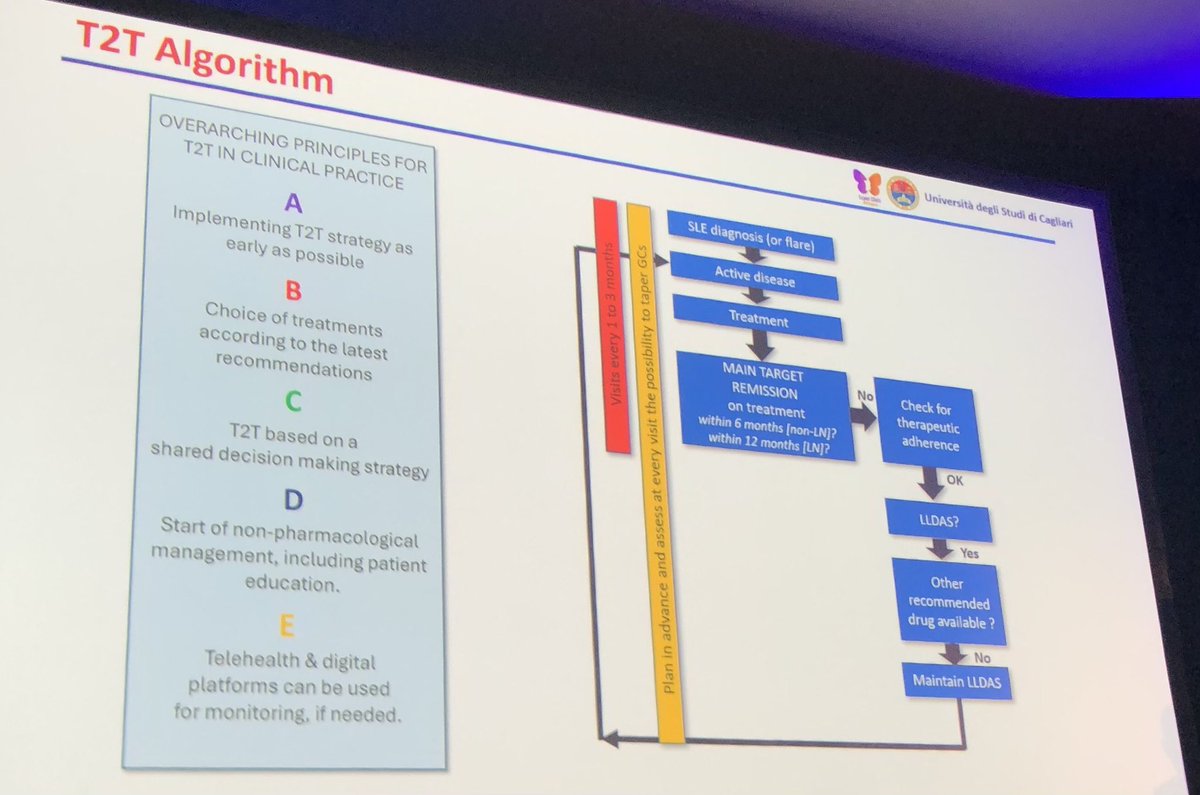
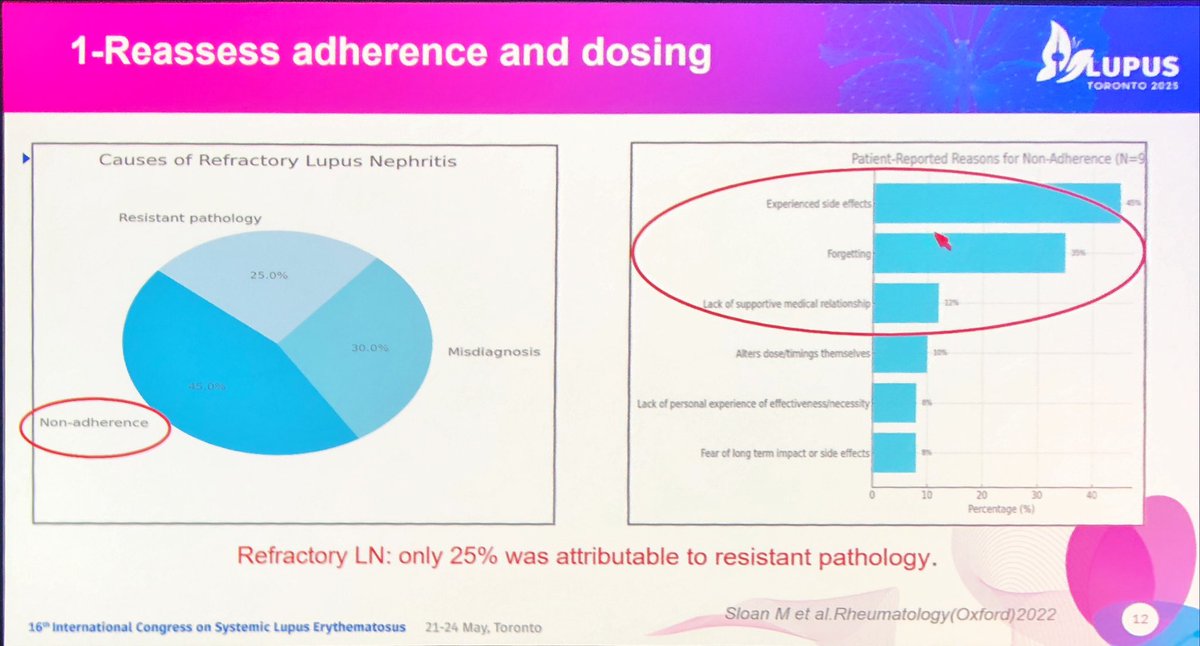
The paradigm for treating patients with systemic lupus erythematosus (SLE) is rapidly shifting and our patients will surely benefit with improved outcomes.

A prospective Danish rheumatoid arthritis (RA) registry study look at the risk of recurrence when a biological disease-modifying antirheumatic drugs (bDMARDs) was ued in patients with a a prior solid cancer (in remission) and found no increased cancer

A large randomized rheumatoid arthritis (RA) clinical trial compared subcutaneous tocilizumab (TCZ) vs oral methotrexate (MTX) vs. the combination of subcutaneous TCZ and MTX, and showed that TCZ was superior to MTX, either given as TCZ monotherapy or in combination with MTX.

A large cohort, claims data study shows that among pregnant women receiving biologic therapies for autoimmune conditions, 72% continued their biologics pregnancy, more so among inflammatory bowel disease (IBD) patients than those with rheumatoid arthritis (RA), psoriasis (PsO) or psoriatic arthri

Dr. Jack Cush reviews the news, journal and regulatory reports from this week on RheumNow.com. Interesting trends and results with prednisone in lupus, cannabis in RA and opioid deaths too!
Investigators from the Netherlands have published their findings that smoking is a risk factor in rheumatoid arthritis (RA), led by the induction of local autoimmune responses at mucosal sites (in the lungs) and exemplified by RA-specific autoantibodies.







By downloading this material, I acknowledge that it may be used only for personal use and personal education and that I will accredit RheumNow.com as the source and owner of this material. Commercial use or mass reproduction of this material without permission from RheumNow (info@rheumnow.com) is prohibited.