Editor's note: July 1 - 5, RheumNow is running the best of the EULAR 2019 meeting. Here are a few of the highlights from day 1 EULAR in Madrid, including another IL-23 inhibitor, BTK inhibition, abatacept in Sjogren's syndrome, don't repeat the ANA, and drug free remission in systemic JIA.

All News
Research published in PNAS has shown that long after active Lyme infection in the joint, a peptidoglycan (PG) of the the spirochete Borrelia burgdorferi can be found in the joints of those with late-stage Lyme disease.
Here are a few of the highlights from day 1 EULAR in Madrid.
EULAR 2019 begins today in Madrid and features over 2000 presentations. After an initial review of titles and abstracts, I’ve compiled a hit list of presentations of interest to me and hopefully other practicing rheumatologists.
Hemophagocytic lymphohistiocytosis (HLH) is a severe hyperinflammatory syndrome induced by activated macrophages and cytotoxic T cells. HLH manifests recurrent fever, cytopenia, liver dysfunction, and a sepsis-like syndrome that may complicated by multiple organ failure.
Despite the lack of good evidence, there has been great speculation about the role of diet in causing or alleviating inflammation. Now there's new research suggesting that proinflammatory diets can increase serum C-reactive protein levels and also the risk of rheumatoid arthritis onset.
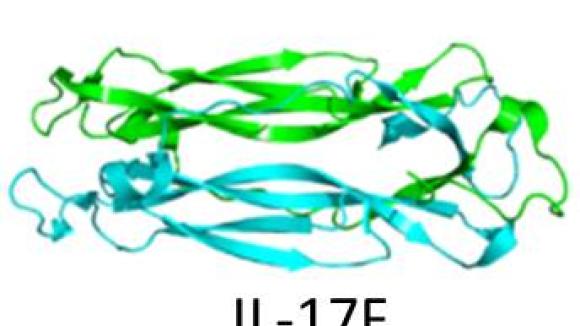
Interleukin 17 (IL-17) inhibitors are highly effective and FDA approved for use in psoriasis, psoriatic arthritis and ankylosing spondylitis. However, many of the initial trials were done in rheumatoid arthritis (RA) where it was projected to be effective, but was not. A recent metanalysis examines how effective IL-17 inhibition was in two RA populations: biologic-naïve or tumor necrosis factor inhibitor inadequate responders (TNF-IR).
Dr. Jack Cush presents the news and best of rheumatology and medicine from the past week on RheumNow.com
A EULAR task force has reviewed the medical literature and developed evidence-based recommendations for the management of antiphospholipid syndrome (APS) in adults. They note that a high-risk antiphospholipid antibody (aPL) profile is associated with greater risk for thrombotic and obstetric APS.
The risk of serious infectious events (SIE) with rituximab (RTX) is similar to that seen in other biologics (e.g., RA: 2% or 4.3/100PY), but with prolonged use the risk may change. Recent research says that low IgG levels, RTX induced neutropenia, prior SIE and comorbidities can significantly augment this risk.
A retrospective longitudinal single center study of 700 rheumatic and musculoskeletal diseases (RMDs) treated monitored serum immunoglobulins (at baseline and 4–6 months after each cycle), clinical outcomes and SIE over time.
The NEJM reports a randomized placebo controlled trial of nintedanib, a tyrosine kinase inhibitor, in systemic sclerosis patients with interstitial lung disease (ILD) resulted in less pulmonary decline, but had no effect on other features of systemic sclerosis.
A combination risk score helped predict recurrent thrombosis -- particularly arterial -- among patients with antiphospholipid syndrome (APS), an international study found.
The FDA has published an industry guidance document to define interchangeability as regards to biosimilar use in the United States under section 351(k) of the Public Health Service Act (PHS Act) (42 U.S.C. 262(k)).
People with rheumatoid arthritis have a significant risk of developing interstitial lung disease (RA-ILD), yet there is often a question as to whether methotrexate (MTX) exposure can cause or worsen ILD. A controlled cohort study suggests that MTX use is not associated with an increased ris
A pilot treatment study of patients with anti-aminoacyl-tRNA synthetase antibody–positive polymyositis/dermatomyositis-associated interstitial lung disease (anti-ARS-PM/DM-ILD) shows therapy with glucocorticoids and calcineurin inhibitors (CNI) to be highly effective.
A composite risk score that included three biomarkers predicted thrombotic events among patients with systemic lupus erythematosus (SLE), a cross-sectional study found.
An unusual pilot study has shown that insulin resistence (IR), assessed by Hgb-A1c levels, was more prevalent in fibromyalgia (FM) patients compared to non-diabetic controls and that when FM patients were given metformin, half had complete resolution of their pain.
Systemic lupus erythematosus (SLE) is an autoimmune disease with a propensity to develop glomerulonephritis (47-70%) or end-stage kidney disease despite therapy.
Namilumab, a monoclonal antibody that targets the granulocyte-macrophage colony-stimulating factor (GM-CSF) ligand, showed promise as a treatment for rheumatoid arthritis (RA) in a phase II study.