Early diagnosis and early intervention has been the mantra of all who manage musculoskeletal (MSK) diseases for decades. While the rules for referral may be clear to some, the lack of uniformity and promotion amongst primary care providers is less certain.
All News
In the wake of the well-publicized "opioid epidemic", researchers report in the Annals of Internal Medicine (online July 31) that more than one third of U.S.
The American College of Rheumatology has partnered with the American Association of Hip and Knee Surgeons to develop consensus-based guidelines for perioperative management of antirheumatic therapies for patients with rheumatic diseases who plan to undergo total joint replacement.
Because of the subjective nature of fibromyalgia symptoms, tools for monitoring of disease activity and/or treatment assessment tools to evaluate effectiveness of nonpharmacological modalities are difficult to develop.
The current Lancet edition for 10 June 2017 is a rheumatology rich collection.
The U.S. Food and Drug Administration has asked Endo International to withdraw Opana ER from the market, stating that benefits no longer outweigh its risks of this long-acting opioid.
Ohio is suing five major drug manufacturers, accusing them of misrepresenting the risks of prescription opioid painkillers that has resulted in the current opioid epidemic.
Dai, Felson and colleagues report in Annals of Rheumatic Disease that high dietary fiber lowers the risk of symptomatic osteoathritis (SxOA), but the radiographic benefits remain unclear. (Citation source http://buff.ly/2rHv9yd)
Journal of Addiction Medicine reported that young adults often are "self-medicated" to manage pain.
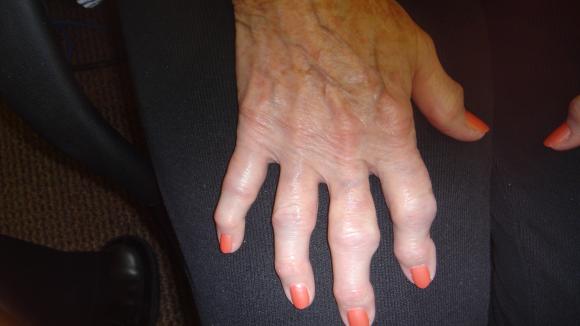
Qin and colleagues have published in Arthritis & Rheumatology that 40% of people will be affected by symptomatic osteoarthritis in at least one hand. (Citation source: http://buff.ly/2qTUscZ)
Dr Jack Cush reviews highlights from the news last week on RheumNow.com:
JAMA has published a review of 15 RCTs (1711 patients) analyzing the role of spinal manipulation therapy in patients with acute low back pain. The authors found modest improvements in pain and function at up to 6 weeks, with temporary minor musculoskeletal harms.
Lyrica (pregabalin) was first approved in 2004 and since has been studied and approved for use in neuropathic pain (associated with diabetic neuropathy), postherpetic neuralgia, partial onset seizures, fibromyalgia and neuropathic pain with spinal cord injury.
A a randomized trial published in Annals of Internal Medicine shows that intradiscal glucocorticoid injection has limited (1 month) efficacy in treating low back pain (LBP) associated with active discopathy, yet decreased over time.
The American Academy of Orthopaedic Surgeons announced five measures that inappropriately increase costs in those undergoing total knee replacement (TKR). Data was presented yesterday at the annual 2017 AAOS Annual Meeting in San Diego.
The Washington Post has reported on the variable laws, views and use of marijuana in treating pain.
Currently 1.4 million patients in 28 states use legal medical marijuana for a variety of medical conditions - chronic pain being one.
The American College of Physicians (ACP) recommends that physicians avoid prescribing drugs, especially narcotics, for patients with acute or subacute low back pain.
Poorer and less-educated older Americans are more likely to suffer from chronic pain than those with greater wealth and more education, but the disparity between the two groups is much greater than previously thought, according to new research.
The George Institute for Global Health has performed a systematic review of drugs used to treat back pain. Their findings, published in the Annals of the Rheumatic Diseases, shows that only one in six improve their pain with NSAID therapy.
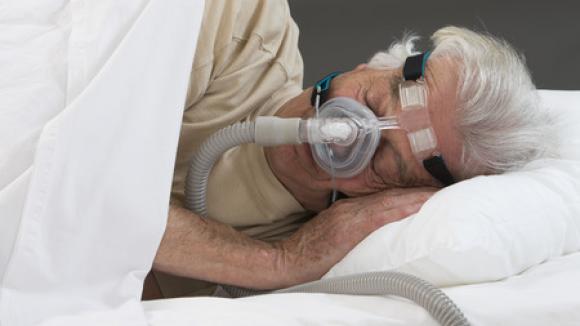
A JAMA article presents the US Public Health Task Force review of OSA testing.