
Article
Dr. Jack Cush reviews the news and journal reports and this week, takes on 5 cases/questions from "Ask Cush Anything"

Search for Terms or Answers
Dr. Jack Cush reviews the news and journal reports and this week, takes on 5 cases/questions from "Ask Cush Anything"

The AURORA 2 study evaluated the long-term safety and efficacy of voclosporin lupus nephritis patients and, after three years, demonstrated long term safety and efficacy following the one-year AURORA 1 study.
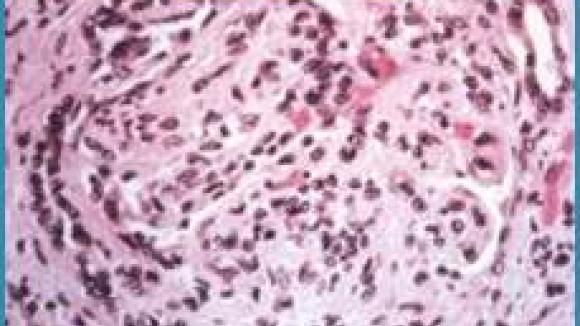
A UK registry study of moderate to severe systemic lupus erythematosus (SLE) patients showed that treatment with rituximab or belimumab was not associated with a greater risk of serious infection, when compared to standard of care therapy.

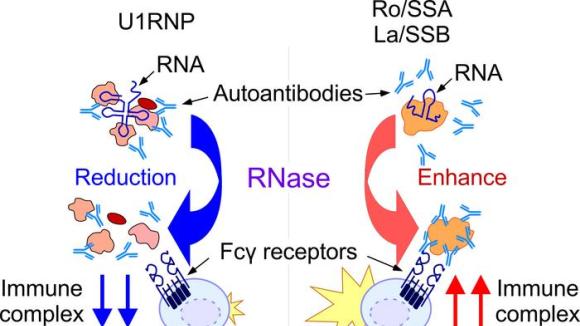
U1RNP complex, Ro/SSA and La/SSB are major RNA-containing autoantigens associated with autoimmune disorders. Immune complexes (ICs) composed of RNA-containing autoantigens and autoantibodies are suspected to be involved in the pathogenesis of some systemic autoimmune diseases.
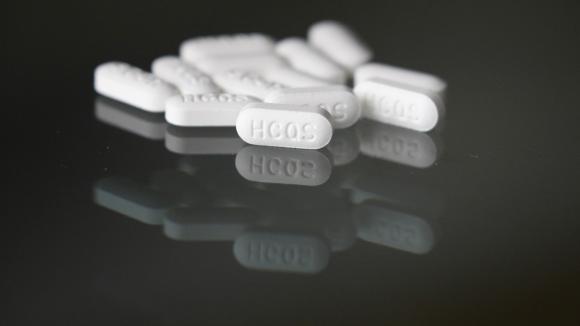
A large cohort study shows that severe non-adherence to hydroxychloroquine (HCQ) results in serious risks for SLE flares, damage, and mortality.
Obstetric complications and poor pregnancy outcomes are not uncommon in women with SLE, especially with active disease. A large Spanish cohort trials shows that term pregnancy is more likely before the diagnosis of SLE and that poorer pregnancy outcomes were associated with antibody positivity to anticardiolipin IgG and anti-beta-2- glycoprotein IgG/IgM, but not lupus anticoagulant.

Dr. Jack Cush Reviews the news and journal reports on CVA, TKA, PJP, ADA, and more!
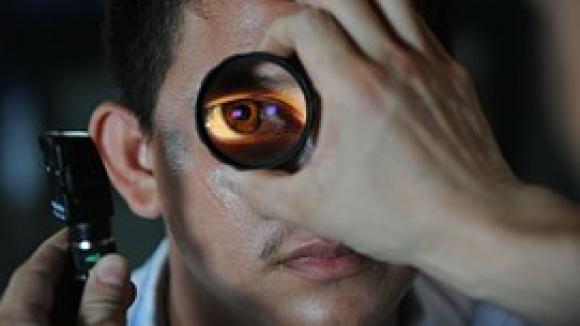
A cohort study in Annals of Internal Medicine shows that higher hydroxychloroquine doses was associated with progressively greater risk for incident retinopathy. The study aimed to assess the long-term risk for incident hydroxychloroquine retinopathy and examine the degree to which average hydroxychloroquine dose within the first 5 years of treatment predicts this risk.


By downloading this material, I acknowledge that it may be used only for personal use and personal education and that I will accredit RheumNow.com as the source and owner of this material. Commercial use or mass reproduction of this material without permission from RheumNow (info@rheumnow.com) is prohibited.


