Analysis of patients receiving anti–tumor necrosis factor α (TNFi) therapy in the British Society for Rheumatology Biologics Register (BSRBR) shows that the risk of demyelination is rare but is marginally increased by taking TNFi therapy.

All News
The lung and its pathology is uniquely tied to rheumatoid arthritis (RA) and its pathogenesis. A new study shows that elevation of anti–citrullinated protein antibodies (ACPAs) before diagnosis of RA increases the risk of developing chronic obstructive pulmonary disease (COPD
New Side Effect From mRNA COVID Vaccines?
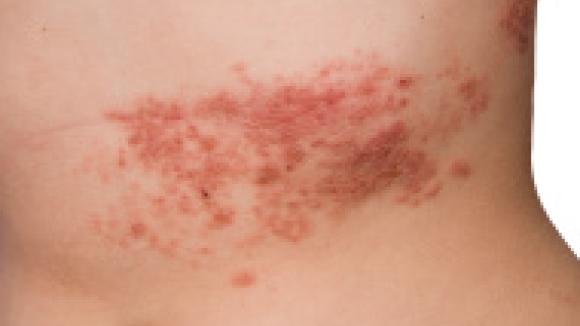
Herpes zoster reactivation -- a.k.a. shingles -- following COVID-19 vaccination in six patients with comorbid autoimmune/inflammatory diseases may be a new adverse event associated with the Pfizer/BioNTech mRNA vaccine, suggested a new report.
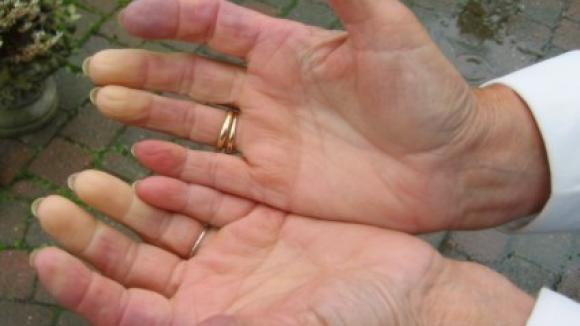
A new study of calcitonin gene-related peptide (CGRP) antagonists for migraine headaches found that a small subset manifested Raynaud phenomenon and other had microvascular complications, suggesting that CGRP antagonists should be used in caution in patients with Raynauds.
Broadalumab (Siliq), an anti-interleukin-17 receptor A monoclonal antibody, is currently FDA- approved for use in adults with plaque psoriasis; but a recent trial shows it to be effective in patients with axial spondyloarthritis (axSpA).
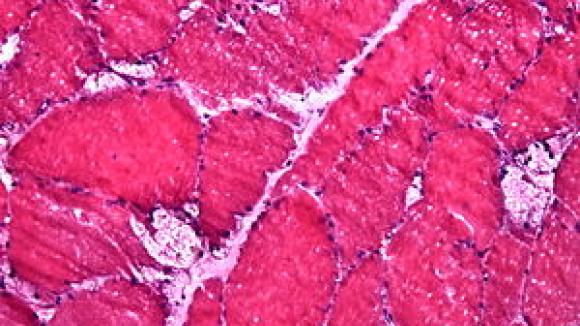
Researchers from the University of Cincinnati Gardner Neuroscience Institute will present data on a new treatment for Pompe disease at the American Academy of Neurology on April 20th; the results show that treatment with avalglucosidase alfa yielded substantial clinical improvements and a more favorable safety profile compared to the current standard of care (alglucosidase alfa).
Dr. Jack Cush serves up this week's news and articles from RheumNow.com.
A population-based study in the UK shows that patients with rare autoimmune rheumatic diseases (RAIRD) were 44% more likely to die during the 2020 COVID-19 pandemic (March - April) compared to either the general population or their pre-COVID risk.
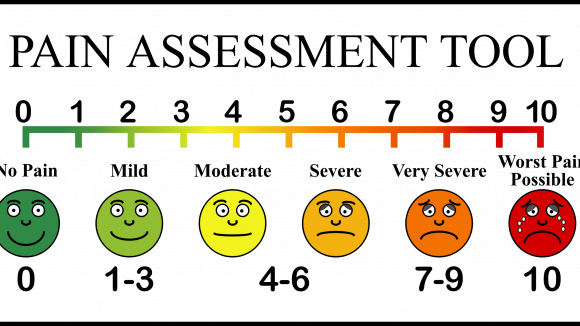
In the United Kingdom, where it is estimated that chronic pain affects one‑third to one‑half of the population, NICE (National Institute for Health and Care Excellence) has recently released an updated guideline on the management of chronic pain for people aged 16 years and over.
IL-23 Targeting for Enthesitis in Psoriatic Arthritis
Treatment with guselkumab (Tremfya) was effective in resolving enthesitis among patients with psoriatic arthritis (PsA), a post-hoc analysis of two phase III trials found.
Analysis of ongoing safety from the secukinumab (SEC) drug development program shows a low risk for malignancy in SEC patients treated for up to five years for either psoriasis, psoriatic arthritis (PsA) or ankylosing spondylitis (AS).
A full year from the onset of the SARS-COV-2 pandemic, rheumatologists are still seeing the consequences of COVID, with many patients avoiding usual care, follow-up visits, routine lab testing and with many self-stopping their antirheumatic meds, because it seemed like the right thing to do.
The TOMORROW study assessed the relationship between diet and disease activity in rheumatoid arthritis (RA) patients and has shown that RA patients are more likely to have higher inflammatory diets, but that a change to an anti-inflammatory diet resulted in lower disease activity s
Dr Jack Cush gives his spin on this week's RheumNews and Rheum Research from RheumNow.com.
Medscape offers up an informative overview of the newly described syndrome called VEXAS discovered by researchers at the National Institutes of Health.
Knee osteoarthritis is best managed by weight loss, as the effects of most analgesic therapies have been marginal and debatable. The use of anti-diabetic glucagon-like peptide-1 therapies have demonstrated significant weight loss benefits; hence this trial evaluated the potential weight loss and pain relieving effects of liraglutide in obese patients with KOA.
Can Targeting RANKL in RA Heal Erosions?
Treatment with denosumab (Prolia) helped heal bone erosions over 2 years among patients with rheumatoid arthritis whose disease activity was well controlled, researchers reported.
A survey study from the ArthritisPower PPRN or CreakyJoints database shows that during the COVID-19 pandemic patient care was substantially affected in unforeseen ways.