

MMWR review of the risk of myocarditis and pericarditis reports a June 23, 2021 recommendation by the Advisory Committee on Immunization Practices that the benefits of COVID-19 vaccination clearly outweighed the risks of myocarditis after vaccination.

Dr. Jack Cush reviews and discusses the news and journal reports from the past week on RheumNow.com.

The TOMORROW study assessed the relationship between diet and disease activity in rheumatoid arthritis (RA) patients and has shown that RA patients are more likely to have higher inflammatory diets, but that a change to an anti-inflammatory diet resulted in lower disease activity scores.
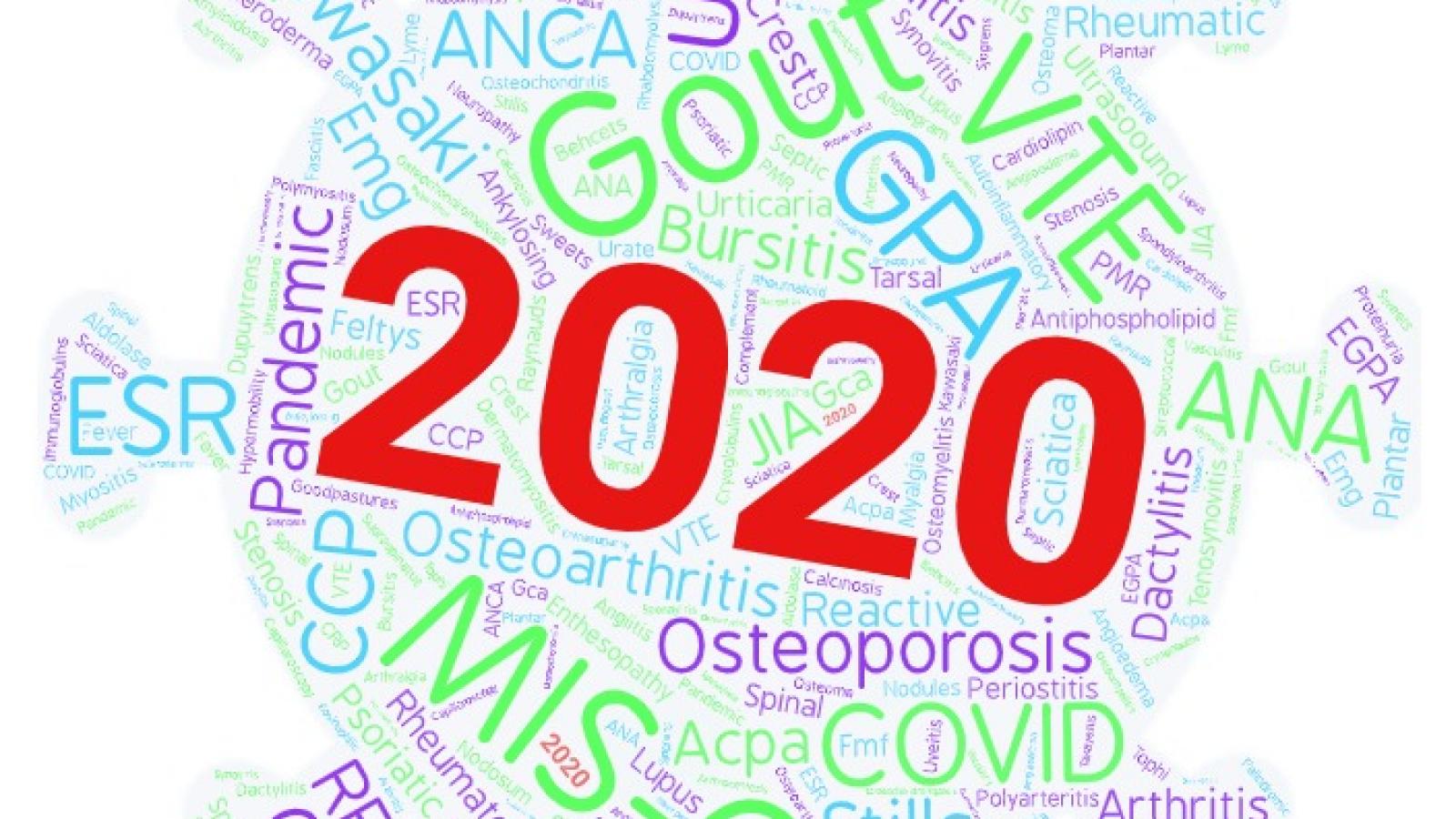
2020 was historic, memorable and game-changing. Under the cloud of COVID-19, there were many significant and memorable advances and setbacks for the rheumatology world. In our accounting of most read articles for 2020, (not surprisingly) 17/20 were COVID-related. Below, are our top news items that rheumatologists should recollect and integrate into clinical standards for 2021 and beyond.
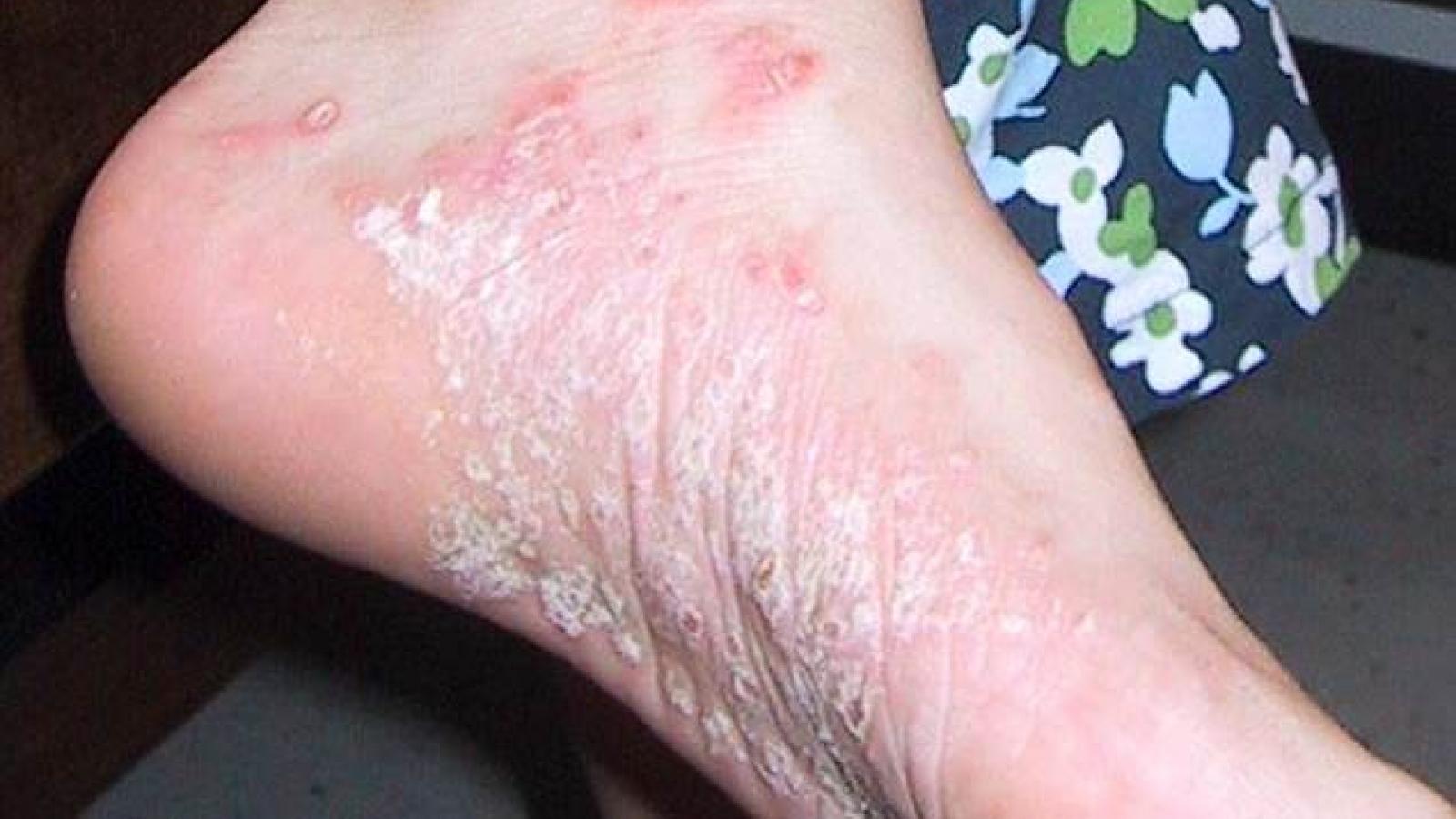
This year’s coverage of psoriatic arthritis was once again, both exciting and informative. Topics included an overview of the latest therapeutic options, an excellent discussion on psoriasis specifically, and the epidemiology of psoriatic arthritis.

The evidence-based recommendations from the Group for Research and Assessment of Psoriasis and Psoriatic Arthritis were presented at #EULAR2021. The goal (as per 2009 recommendations) was “To develop recommendations, based upon the best scientific evidence, for the optimal treatment of patients with PsA” Dr. Laura Coates, Oxford detailed in abstract #OP0229. Since the last update in 2015, there have been multiple changes, which are highlighted

EULAR has published evidence-based recommendations on the use of intra-articular therapies (IAT) based on the literature review and recommendations of a multidisciplinary international task force. These IAT recommendations apply to adult patients with peripheral arthropathies.

The 2021 Medscape Survey on Physician burnout ranks rheumatology second, just behind Critical Care medicine.
The survey included over 12,000 physcians from 20 specialties. While 42% of MDs claimed to be burnt-out, Rheumatologists claimed this 50% of the time. The top 3 this year were Critical care (51%), Rheumatology (50%) and infectious disease (49%).
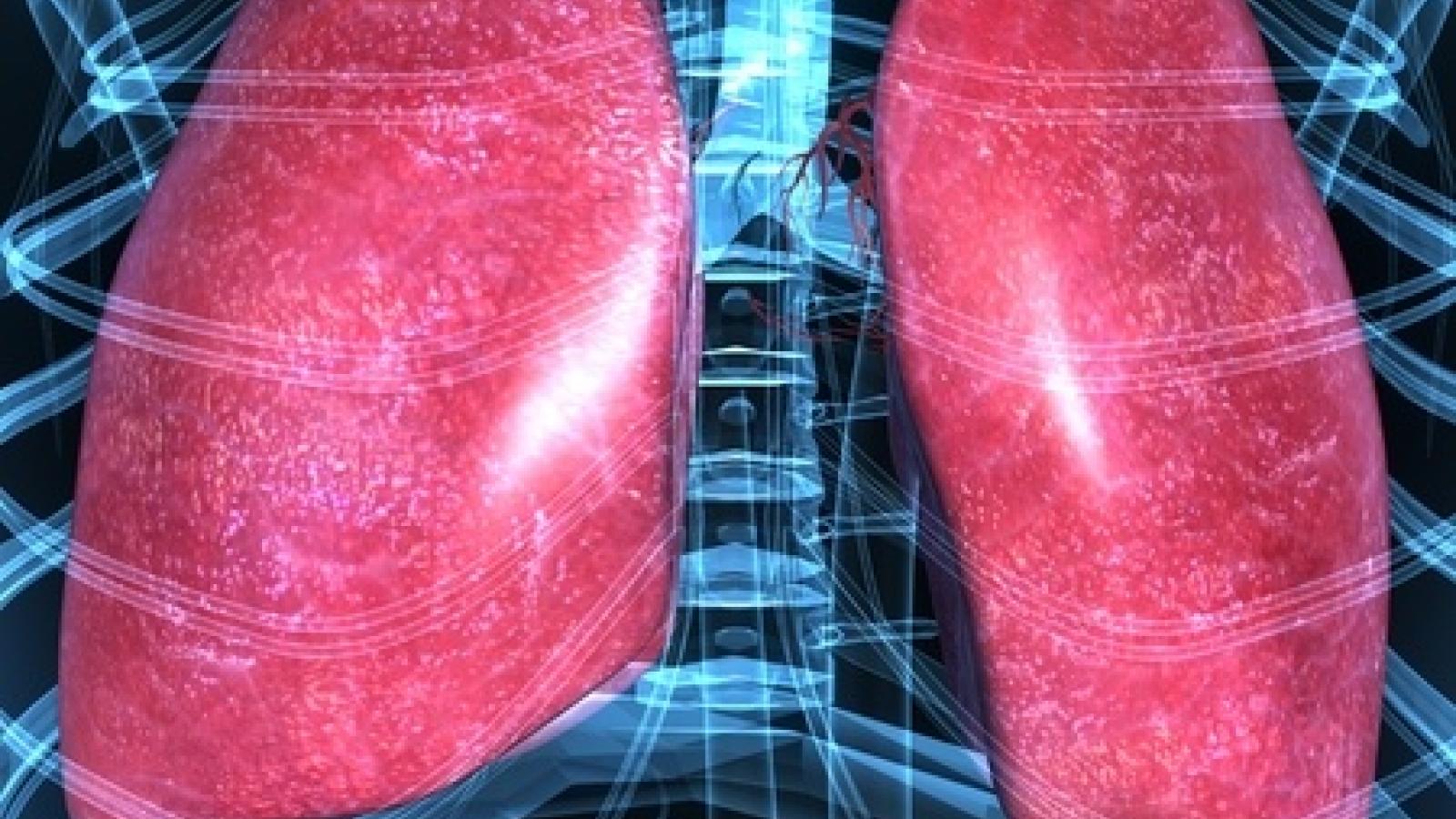
Genentech announced Thursday that the US Food and Drug Administration approved tocilizumab (Actemra) for the treatment of Systemic Sclerosis-associated Interstitial Lung Disease (SSc-ILD), specifically indicated for slowing the rate of decline in pulmonary function in adults SSc-ILD.

The FDA has notified healthcare professionals of a safety alert concerning tofacitinib (Xeljanz), noting that preliminary results from a long-term safety clinical trial show an increased risk of serious heart-related problems and cancer with tofacitinib (compared to adalimumab) when given to at-risk rheumatoid arthritis patients. These findings are in addition to the thrombotic risks (added to the label), potential risks including blood

Pfizer announced results Wednesday from its FDA-mandated postmarketing safety study of tofacitinib (Xeljanz), and they don't bode well for the drug and possibly others in its class.
Dr. Jack Cush reviews the news and journal reports from this past week on RheumNow.com.

A study of rheumatologists in Ontario, Canada has shown an increasing percentage of women in rheumatology; unfortunately they have lower salaries but see fewer patients than do their older, male colleagues.
Between 2000 to 2015 the number of full time rheumatologists increased from 89 to 120, with the percentage of females increasing from 27.0% to 41.7%.

Neuropsychiatric (NP-SLE) or CNS lupus events range from mild to severe; several recent studies have noted that NPS lupus is common and should be screened for.
A metanalysis of the literature finds 22 studies wherein the mean frequency of NPSLE ranged from 10.6% to 96.4%. When researchers with the Swiss SLE cohort study looked at their population, NPSLE was found in 28.1%. This included cerebrovascular insults, seizures and

The American College of Rheumatology (ACR) has issued new guidelines on the treatment of rheumatoid arthritis, addressing questions about initial treatment with methotrexate and minimizing reliance on glucocorticoids. Use of these medications in specific high-risk populations also was included.

