
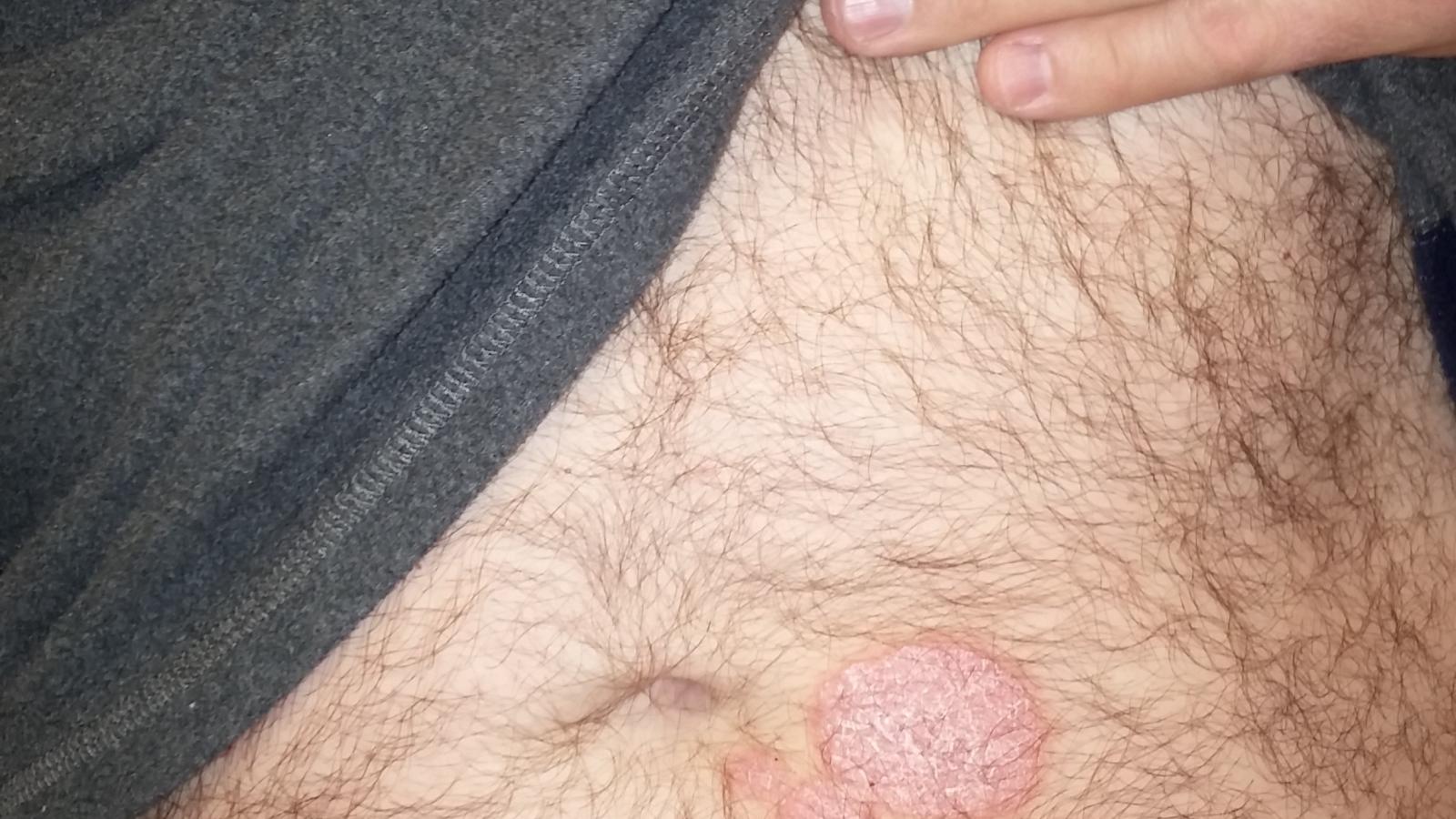
Noe and colleagues have reported in the Journal of Investigative Dermatology that by estimating the extent of skin involvement in psoriasis (%BSA) they may assess future mortality risk.
Psoriasis patients with 10% or more body surface area (BSA) involvement nearly doubled their risk of early death than those without the disease.
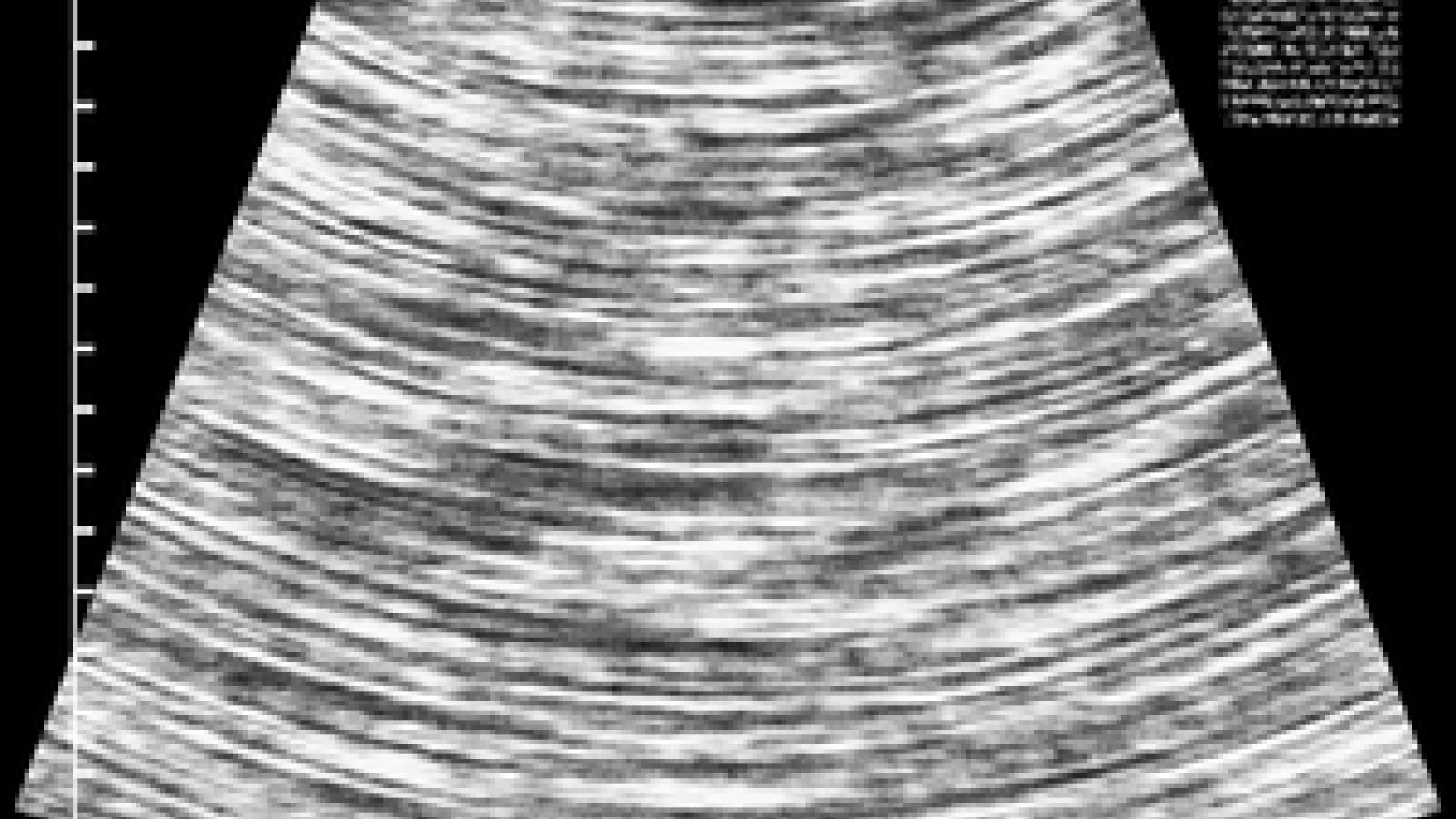
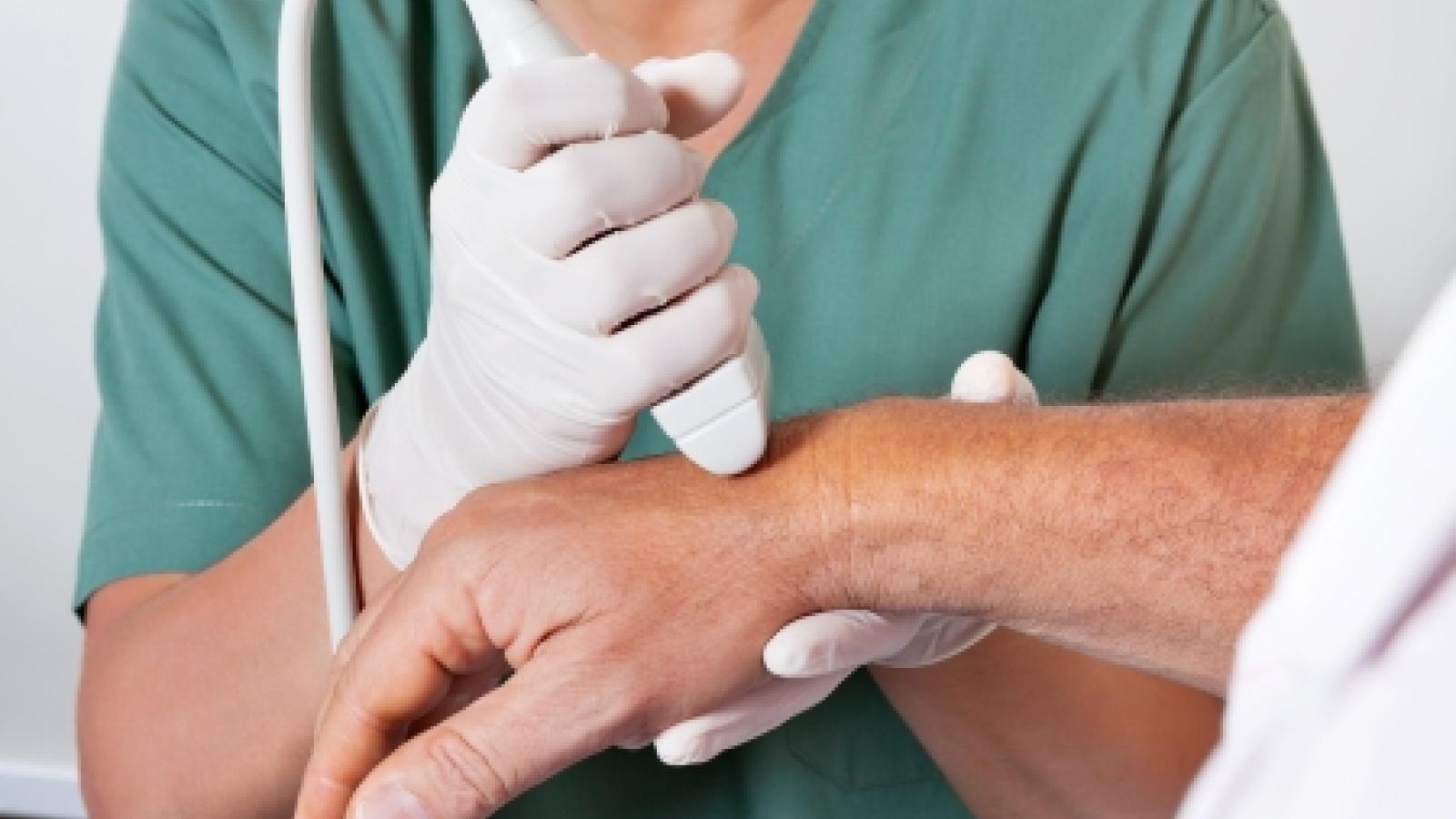
In the current issue of ARD, the European League Against Rheumatism (EULAR) has revised and updated its 2001 guideline for musculoskeletal (MS) ultrasound (US) in rheumatology; this time incorporating new advances, technological developments and use indications in rheumatology. EULAR has provided this as an educational tool and standard reference for MSUS practice and research in rheumatology.
The June 2017 RheumNow “Live Vote” surveyed US and non-US rheumatologists and patients about how they diagnose and treat rheumatoid arthritis (RA) and whether they rely on newer diagnostic criteria and management guidelines propagated by the American College of Rheumatology (ACR).

Opioid overdose deaths quadrupled from 1999 to 2015 and accounted for 63% of drug overdose deaths in the United States in 2015. During 2010–2015, heroin overdose deaths quadrupled from 3,036 to 12,989, with heroin and illicitly manufactured fentanyl (IMF) as likely contributors to this trend. (additional citation https://buff.ly/2eHAjpn)
This week's report includes new data on IL-1 inhibition and protection from CV events and lung cancer, baricitinib given a reprieve, and features on infections: HBV, shingles and mortality of septic arthritis.

As a practicing rheumatologist for more than 30 years, I can recall a time – just a couple of decades ago – when waiting rooms were full of patients in wheelchairs, debilitated and in pain from rheumatoid arthritis (RA) and other related conditions. My colleagues and I did our best to treat and relieve the suffering the best we could, knowing all too well that we were limited to the few therapies available at the time.
This Drug Safety Bulletin address FDA delay of baricitinib, etanercept effective at room temperature, Consumer Reports features on drug safety, no association between Alzheimer's and PPIs, AHRQ review of opioid drug safety, FDA safety abeling changes, drug shortages and more.

The CANTOS trial has shown that interleukin 1β inhibition by Canakinumab (CAN) resulted not only in a reduction of cardiovascular deaths but also significantly decreased the incidence and death from lung cancer.
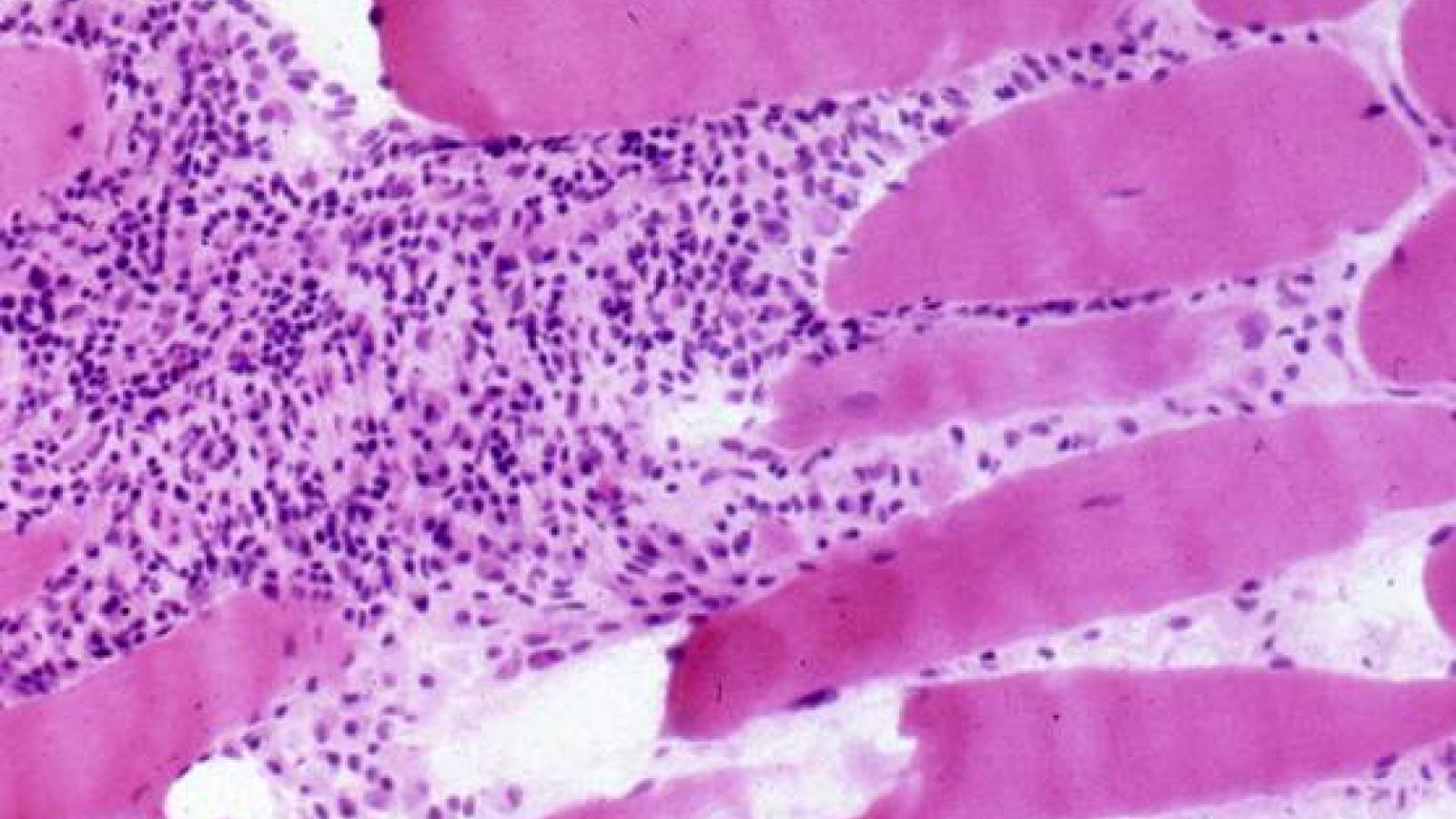
A Swedish population-based study found a nearly fourfold greater risk of all-cause mortality in idiopathic inflammatory myopathy (IIM) patients compared with the general population.
Risk peaked to almost 10% in the first year, pointing to the need for careful monitoring of newly diagnosed patients, reported Marie Holmquist, MD, PhD, of the Karolinska Institute in Stockholm, and colleagues in Annals of the Rheumatic Diseases.
Eli Lilly and Company and Incyte Corporation announced today that, after discussions with the U.S. Food and Drug Administration in late August 2017, Lilly will resubmit a revised New Drug Application for baricitinib before the end of January 2018. The resubmission package will include new safety and efficacy data.

The current issue of JAMA reviews the rising practice of patient recording of medical visits and their legality.
Unbeknownst to clinicians, some patients may be recording clinic visits, with or without permission. In a UK study, up to 15% of patients acknowledged they secretly recorded clinic visits.
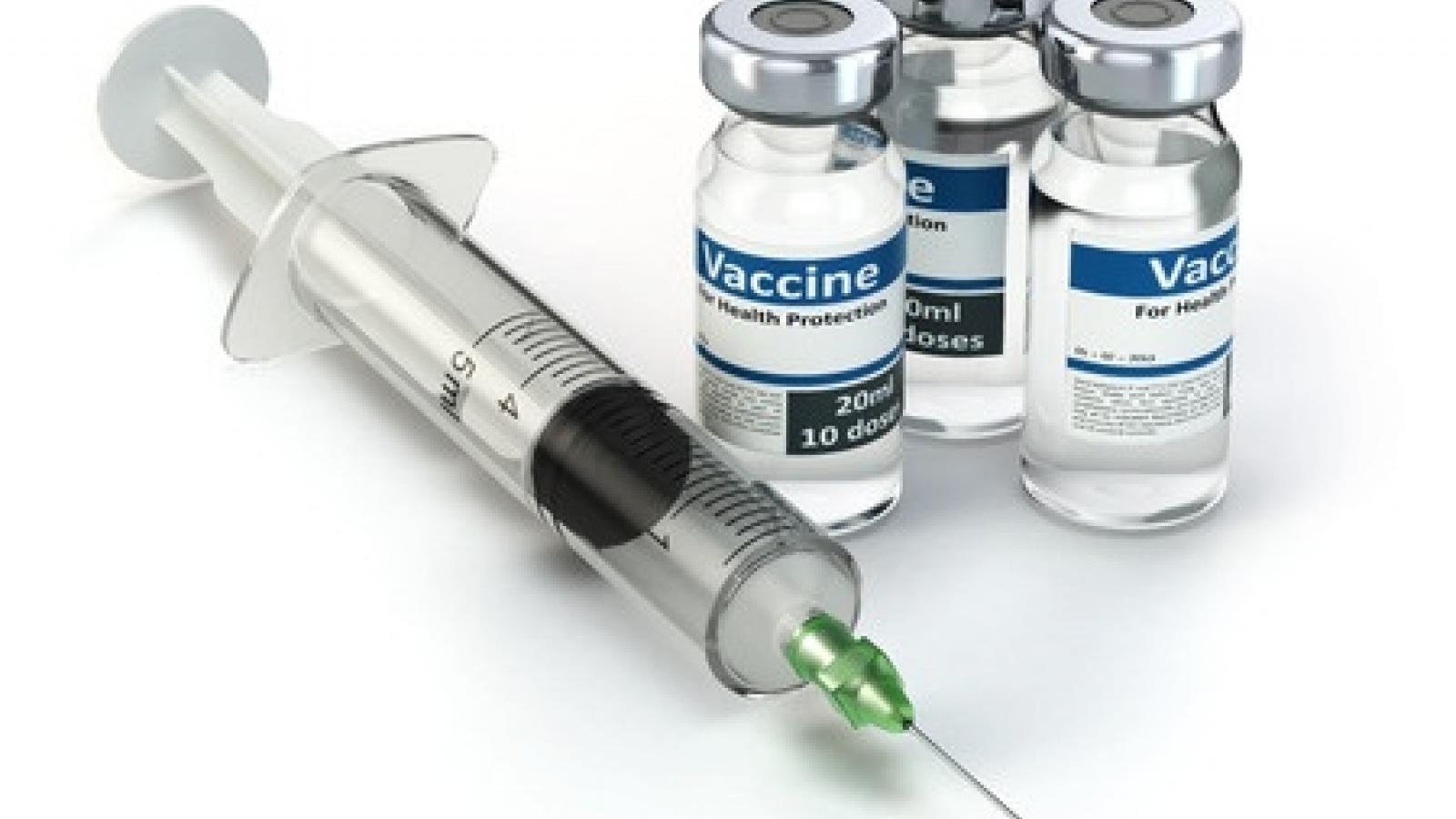
The current issue of Arthritis & Rheumatology features an editorial and two novel articles on the herpes zoster vaccine. Kevin Winthrop and colleagues report on the results of a phase II trial wherein 112 patients about to begin tofacitinib therapy were vaccinated with the live-virus zoster vaccine (LZV).

The results of a randomized, double-blind trial have shown that canakinumab (CAN), an interleukin-1β inhibitor, given as 150 mg every 3 months, resulted in a significantly lower rate of recurrent cardiovascular events (in high-risk CV patients), independent of lipid-level lowering. The results of the CANTOS studywere simultaneously published in NEJM, Lancet and were presented at the European Society of Cardiology meeting in Barcelona.

On Friday August 25th, the FDA approved another adalimumab biosimilar: Cyltezo (generic name: adalimumab-adbm).

