

The NEJM reports success when using mepolizumab (anti-IL-5 monoclonal antibody) in a 52 week study of patients with eosinophilic granulomatosis with polyangiitis (EGPA).

The FDA has approved subcutaneous tocilizumab for use in Giant Cell Arteritis based on the phase III GiACTA study that demonstrated that TCZ with steroids was superior to steroid therapy alone.

The FDA has approved sarilumab (Kevzara), a new IL-6 inhibitor co-developed by Regeneron and Sanofi's, for use in adults with moderate to severe rheumatoid arthritis (RA).Although approved in Canada in February 2017, the US submission of the sarilumabs BLA was held up by the FDA with a complete response letter and concerns about manufacturing.

Reuters reports that FDA approval of romosozumab (brand name Evenity) may be held up because of higher rates of cardiac events seen in a late-stage clinical trial.

Dr. Jack Cush reviews highlights and updates from the past week on RheumNow.com:

Patients are labeled as having “difficult RA" when: 1) we are frustrated, 2) it's too late, 3) we've run out of options or 4) the relationship is failing. We see them, but don’t quite know what to do with them.

Journal of Addiction Medicine reported that young adults often are "self-medicated" to manage pain.

The DANBIO registrys has demonstrated that switching from infliximab (Remicade) to biosimilar CT-P13 (Inflectra in the U.S., Remsima in Europe) does not appear to have any negative effect on inflammatory arthritis disease activity, Danish researchers reported.

Treat-to-target education through group-based quality improvement sessions can result in wider use of treat-to-target in practice, according to researchers.

Lancet reports the results of the NOR-SWITCH study - a trial performed in Norway as biosimilars were being introduced. This study was designed to assess the efficacy and safety of transitioning from the originator (Remicade) to the less expensive biosimilar CT-P13 (Remsima/Inflectra) in the treatment of Crohn's disease, ulcerative colitis, spondyloarthritis, rheumatoid arthritis, psoriatic arthritis, and chronic plaque psoriasis.

Treatment of knee osteoarthritis (with synovitis) with an injection of a corticosteroid every three months over two years resulted in significantly greater cartilage volume loss and no significant difference in knee pain compared to patients who received a placebo injection, according to a study published by JAMA.
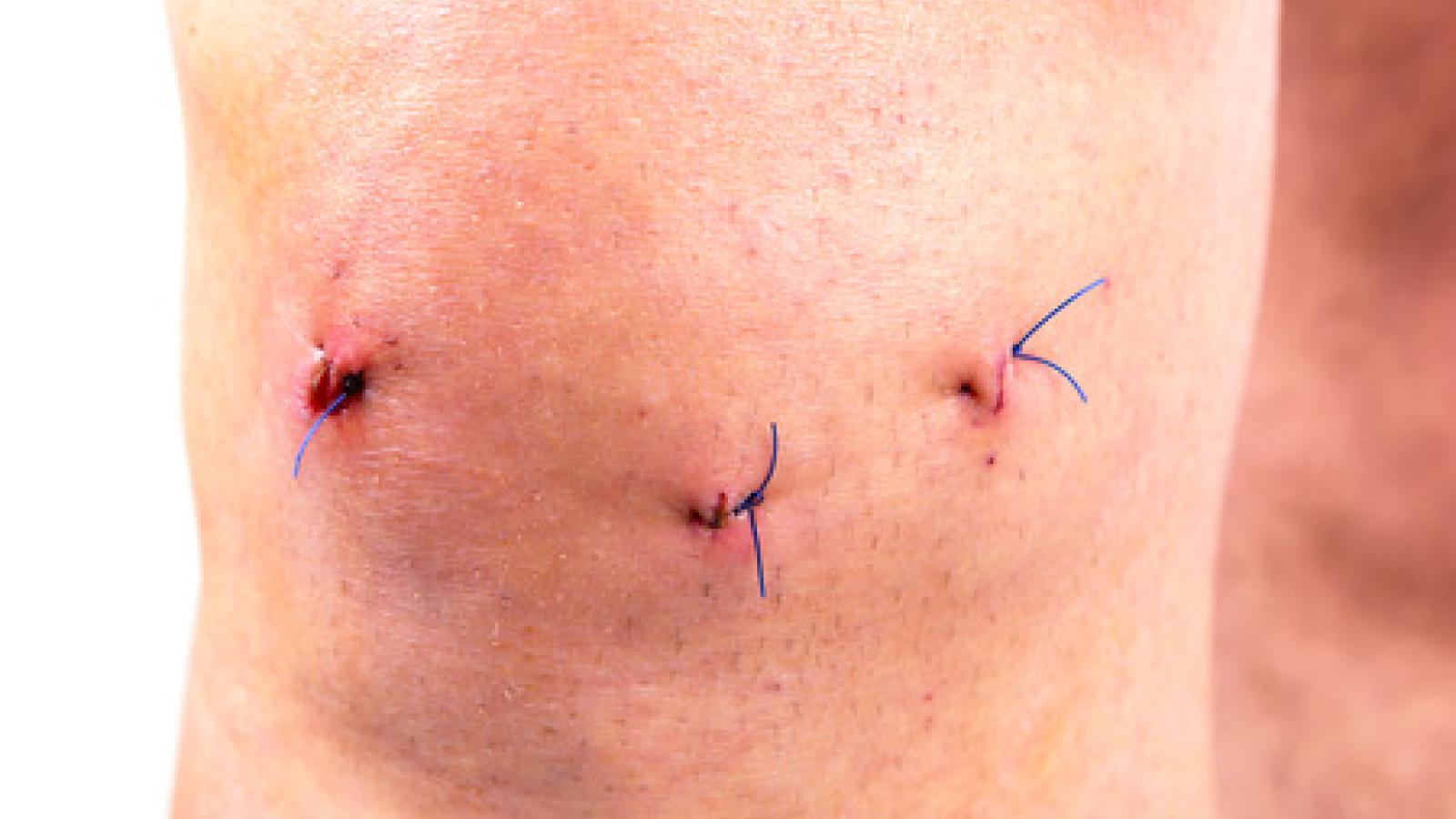
The British Medical Journal has published a clinical practice guideline for the use of arthroscopic surgery for degenerative knee arthritis and meniscal tears, suggesting that many patients will not benefit from such surgery. (Citation source http://buff.ly/2pNhgug)

