

Patients known to be autoantibody positive (e.g., anti- Jo1) for the anti-synthetase syndrome were assayed by indirect immunofluorescence (IIF) for other reactivities, showing antinuclear staining (ANA) or cytoplasmic staining (Anti-Cyt Ab+).
Control included sera from patients with scleroderma, lupus, Sjögrens, rheumatoid arthritis, and healthy subjects.
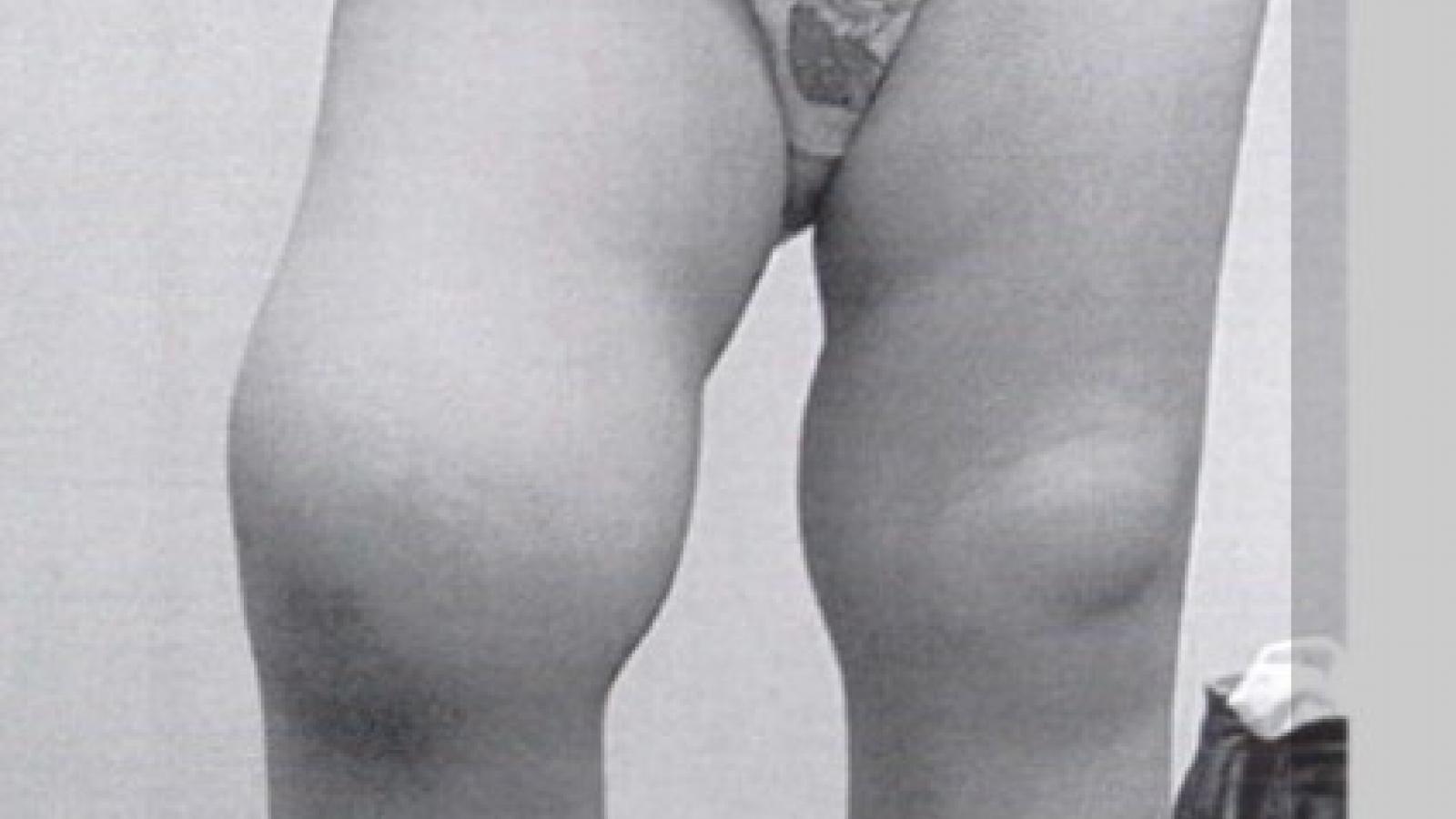
Oligoarticular-onset juvenile idiopathic arthritis accounts for nearly half of all JIA patients. While many of these children will require DMARD therapy, many others are treated with antiinflammatory meds or intra-articular corticosteroids. But the evidence for this latter approach is scant.
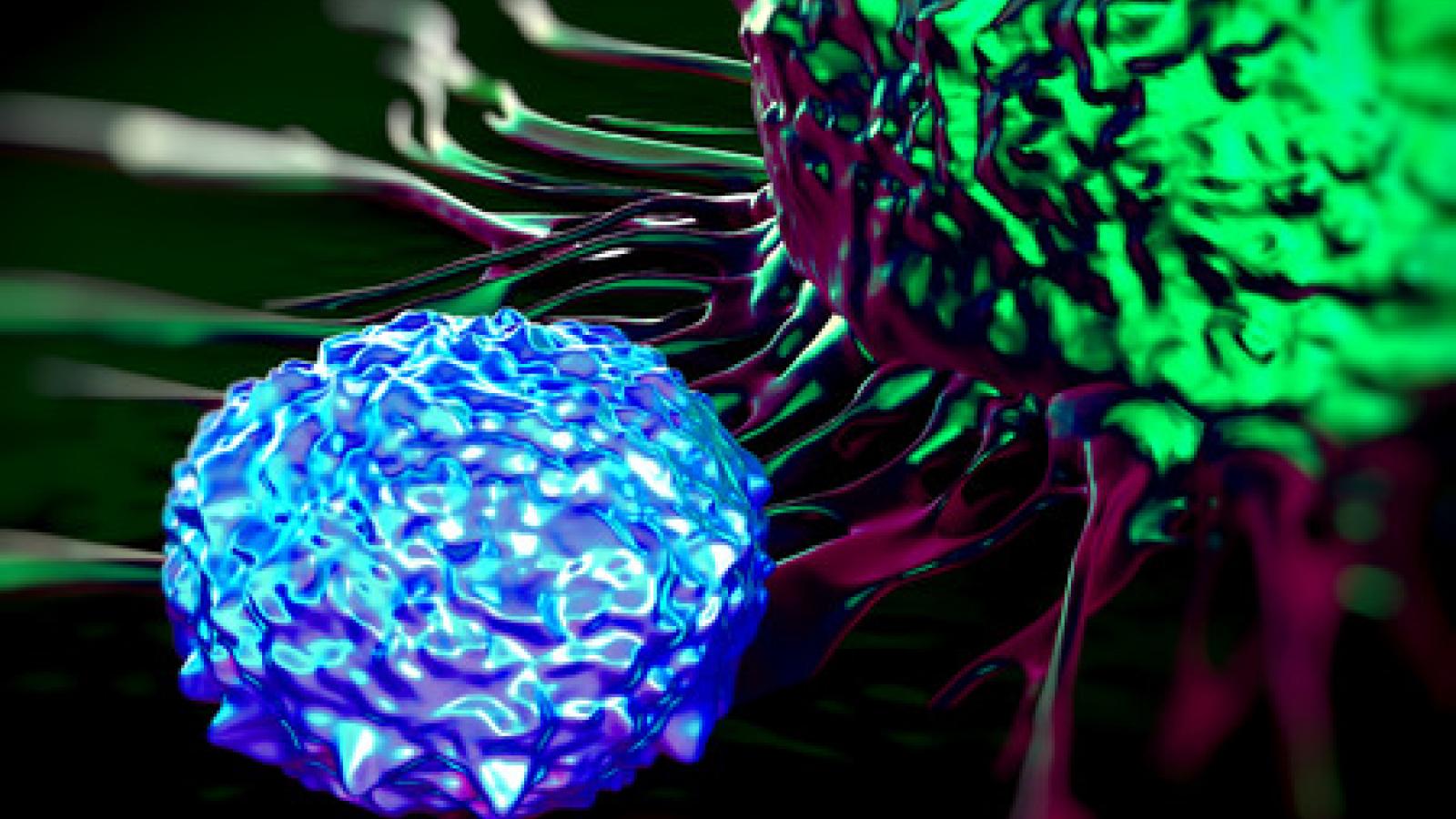
US and UK researchers have identified a unique subset of helper T-cells called ‘peripheral helper’ T-cells in the synoviums that may be linked to the pathogenesis of rheumatoid arthritis.
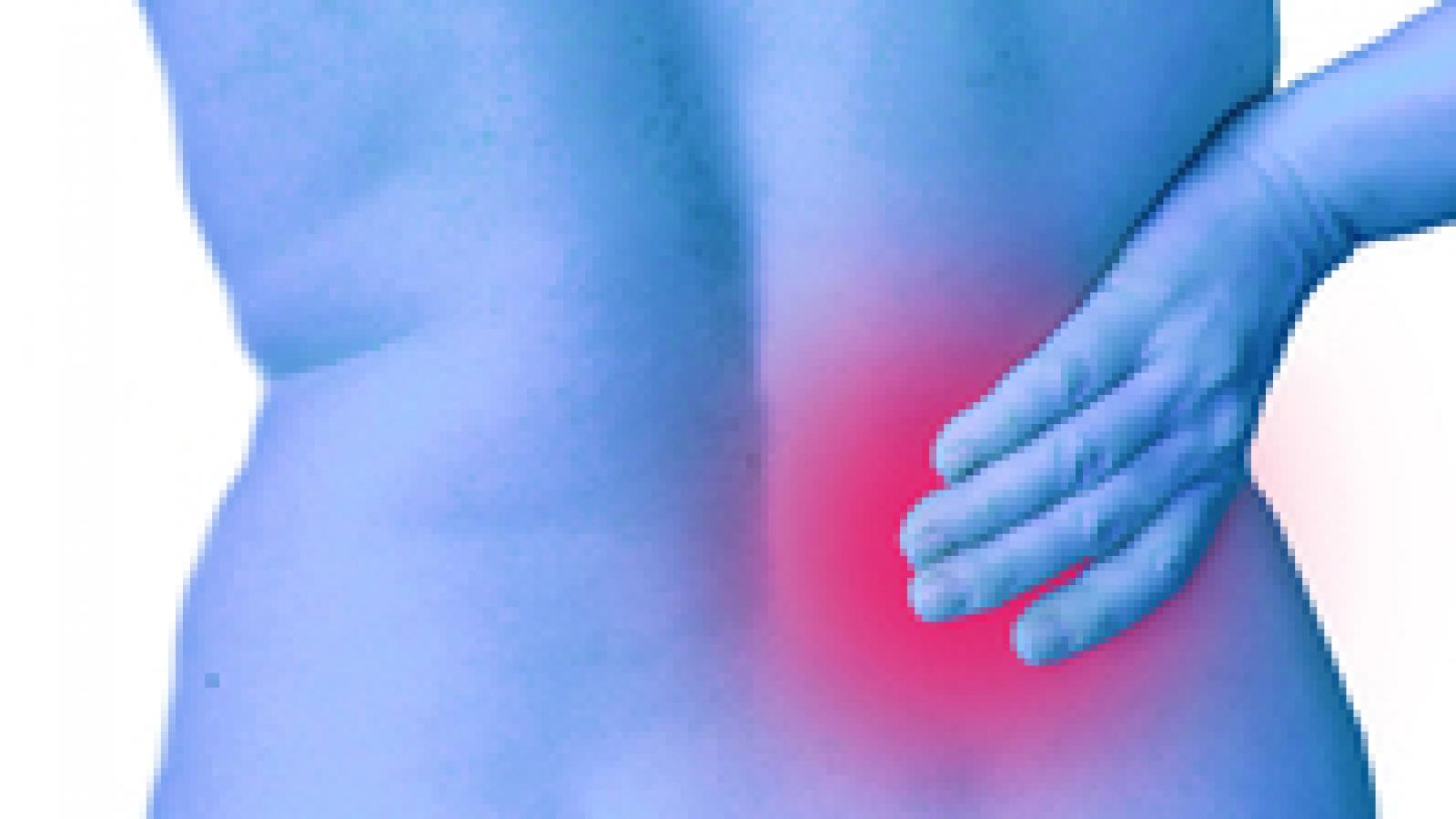
The George Institute for Global Health has performed a systematic review of drugs used to treat back pain. Their findings, published in the Annals of the Rheumatic Diseases, shows that only one in six improve their pain with NSAID therapy.
Their previous studies have shown that acetaminophen is ineffective and opioids provide minimal benefit over placebo.
Dr. Rachel Tate: IgG4 Mimics
Dr. Rachel Tate discusses a clinical pathology lecture on IgG4 mimics (Session: Clinicopathocologic Conference: Back Pain, Aortitis and Retroperitoneal Fibrosis: What Is the Differential
Diagnosis and the Approach?) as presented at the 2016 ACR/ARHP Annual Meeting.

Up to 30% of patients with rheumatoid arthritis (RA) will eventually undergo joint reconstructive surgery, yet we have limited data to guide the perioperative management of DMARDs and biologics.This decision is often surgeon-dependent. Historically, RA patients have worse outcomes after joint replacement, but this was largely due to poor disease control prior to surgery.
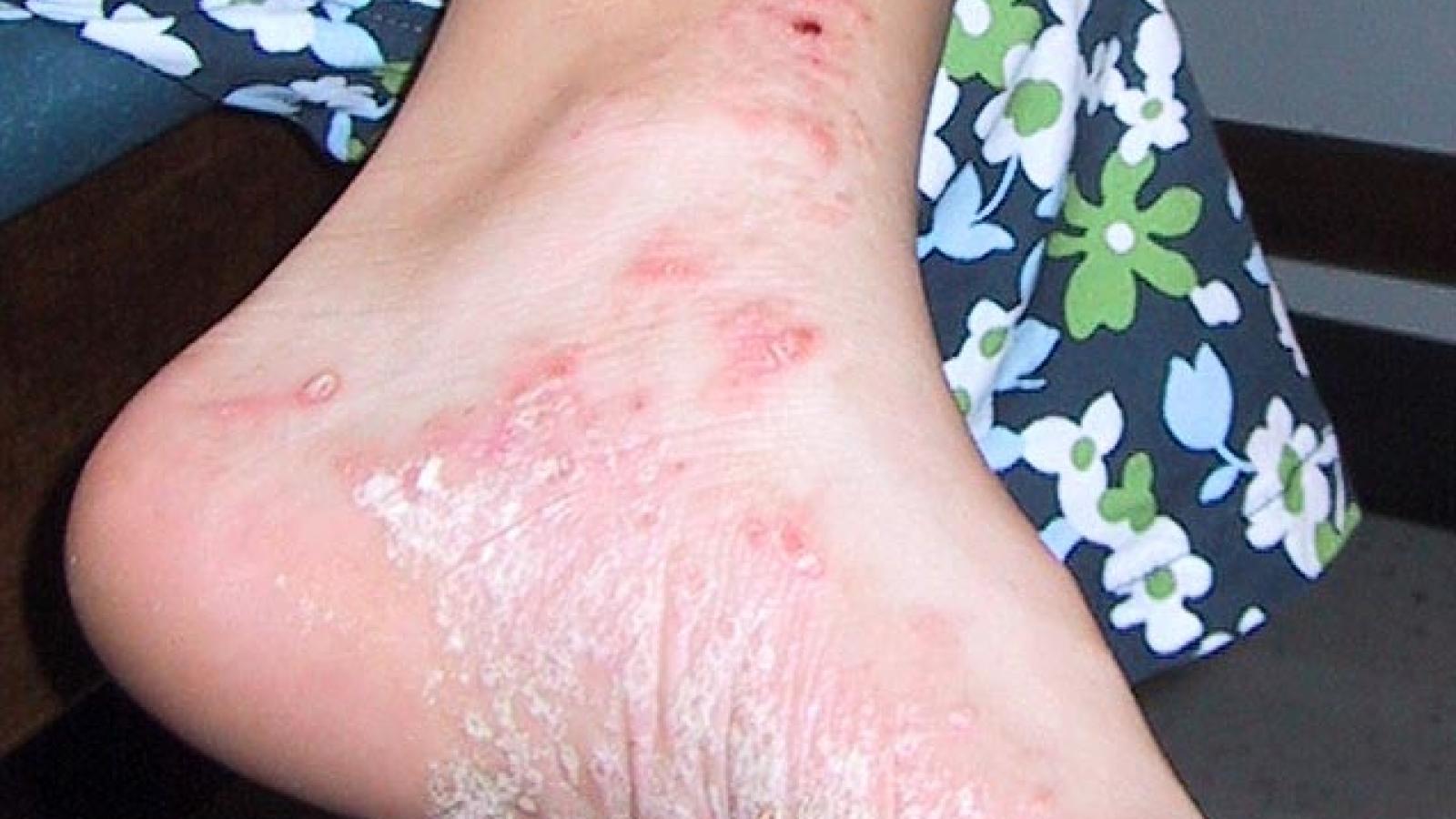
Doubt remains regarding the appropriateness, efficacy and safety of methotrexate in the treatment of moderate to severe cutaneous psoriasis. Moreover, high dose, subcutaneous MTX has not been studied in a well-designed trial.

Dr. Jack Cush reviews this week's highlights from RheumNow.
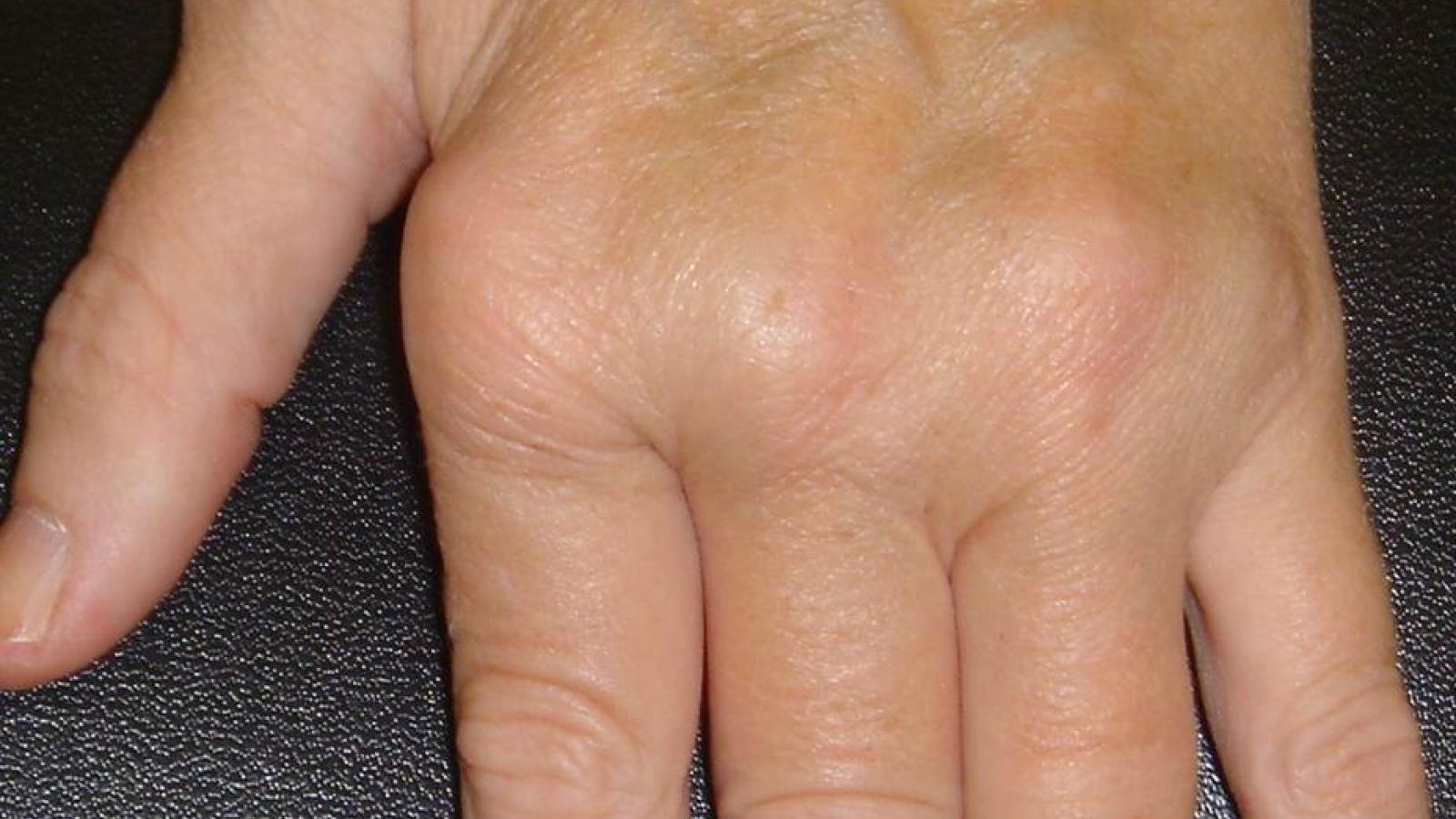
Kevzara (sarilumab), an interleukin-6 (IL-6) receptor monoclonal antibody, was approved by Health Canada for use in rheumatoid arthritis (RA).
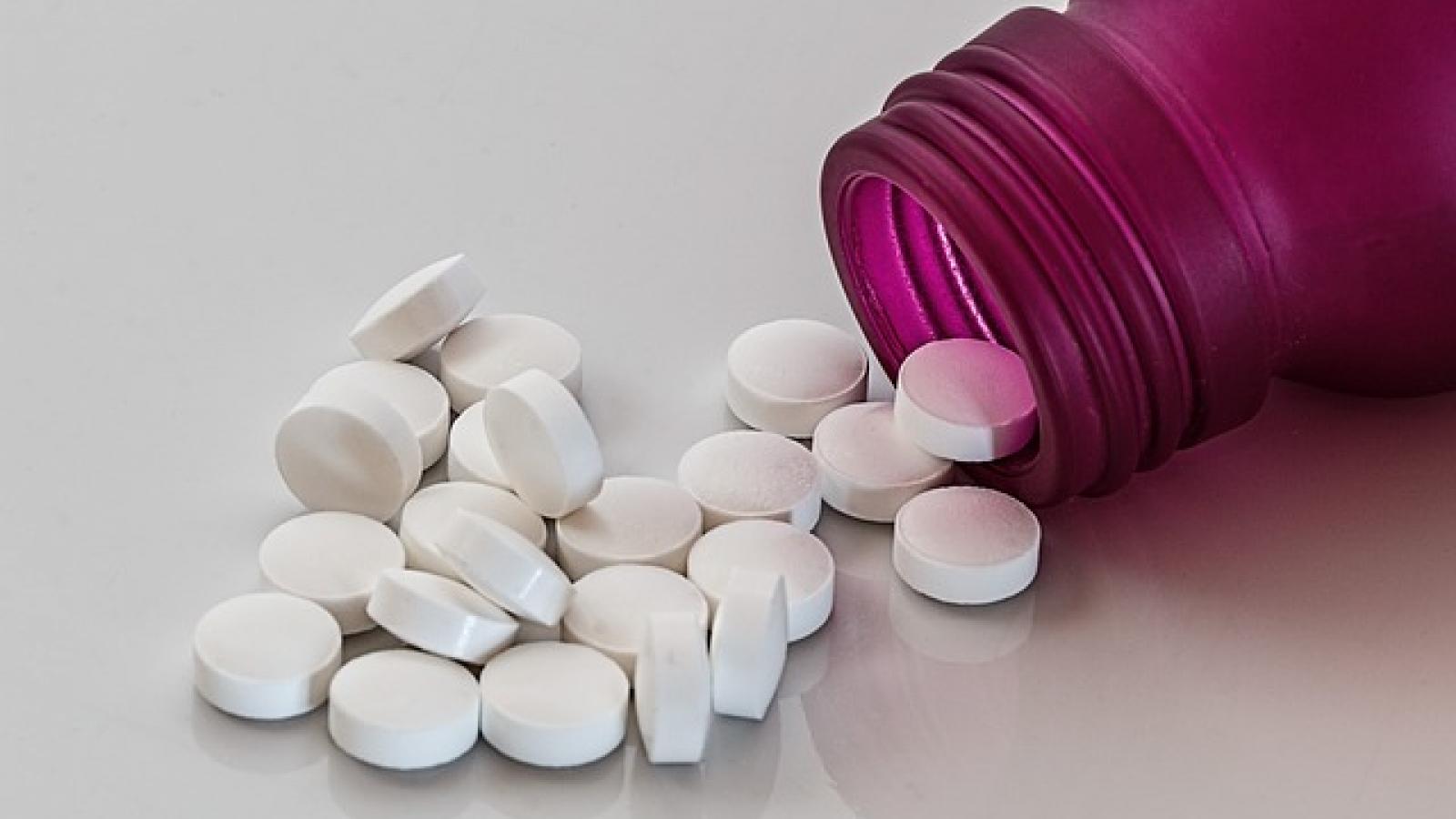
Gout should be one of the easiest and best managed of rheumatic disorders. However, numerous deficits exist with regard to the treatment and long-term care of gout.
Swedish investigators have assessed the likelihood of gout patients that would receive and persist with urate lowering therapy.

Prior to the biologic era, nonsteroidal antiinflammatory drugs (NSAIDs) were the mainstay of drug therapy in thos with spondyloarthritis (SpA) and ankylosing spondylitis (AS). Their role in the modern era has changed and the claims for efficacy have varied. Baraliakos and colleagues have studied the utility of NSAIDs are first-line therapy in axial SpA (axSpA) and non-radiographic axSpA (nr-axSpA) patients.
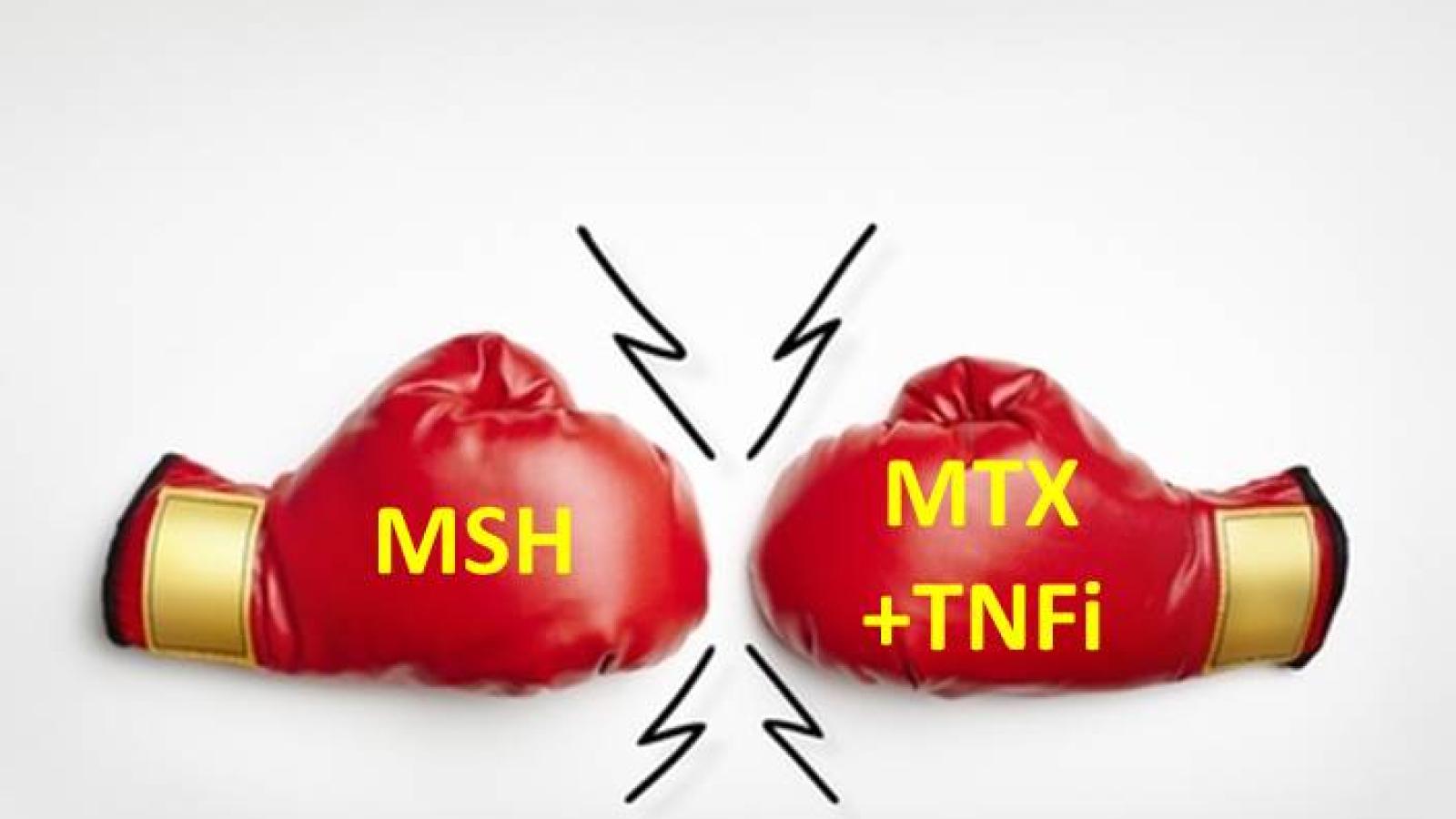
There are several trials that test the efficacy and safety of combination tumor necrosis factor inhibitor (TNFi) plus methotrexate against triple therapy (methotrexate plus hydroxychloroquine plus sulfasalazine) in patients with rheumatoid arthritis.
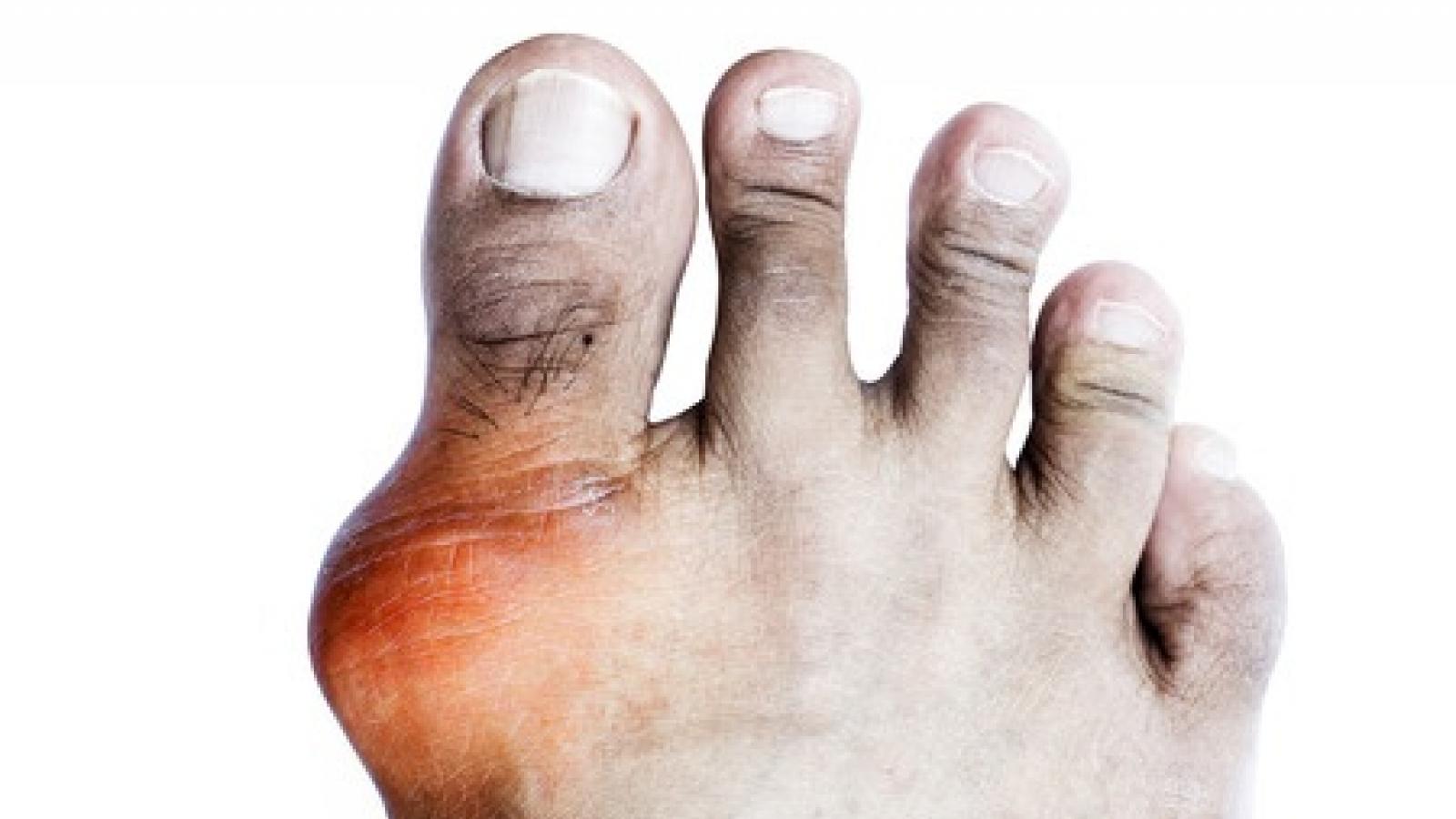
Most patients who present with gout to rheumatology clinics are at very high risk of cardiovascular (CV) disease, Spanish researchers found.
Dr. Arthur Kavanaugh: Biosimilars and Drug Switching (Abstract 19L)
Dr. Arthur Kavanaugh discusses abstract 19L: Biosimilar Infliximab (CT-P13) Is Not Inferior to Originator Infliximab: Results from a 52-Week Randomized Switch Trial in Norway, as presented at the 2016 ACR/ARHP Annual Meeting (http://acrabstracts.org/abstract/biosimilar-infliximab-ct-p13-is-not-in…).

