
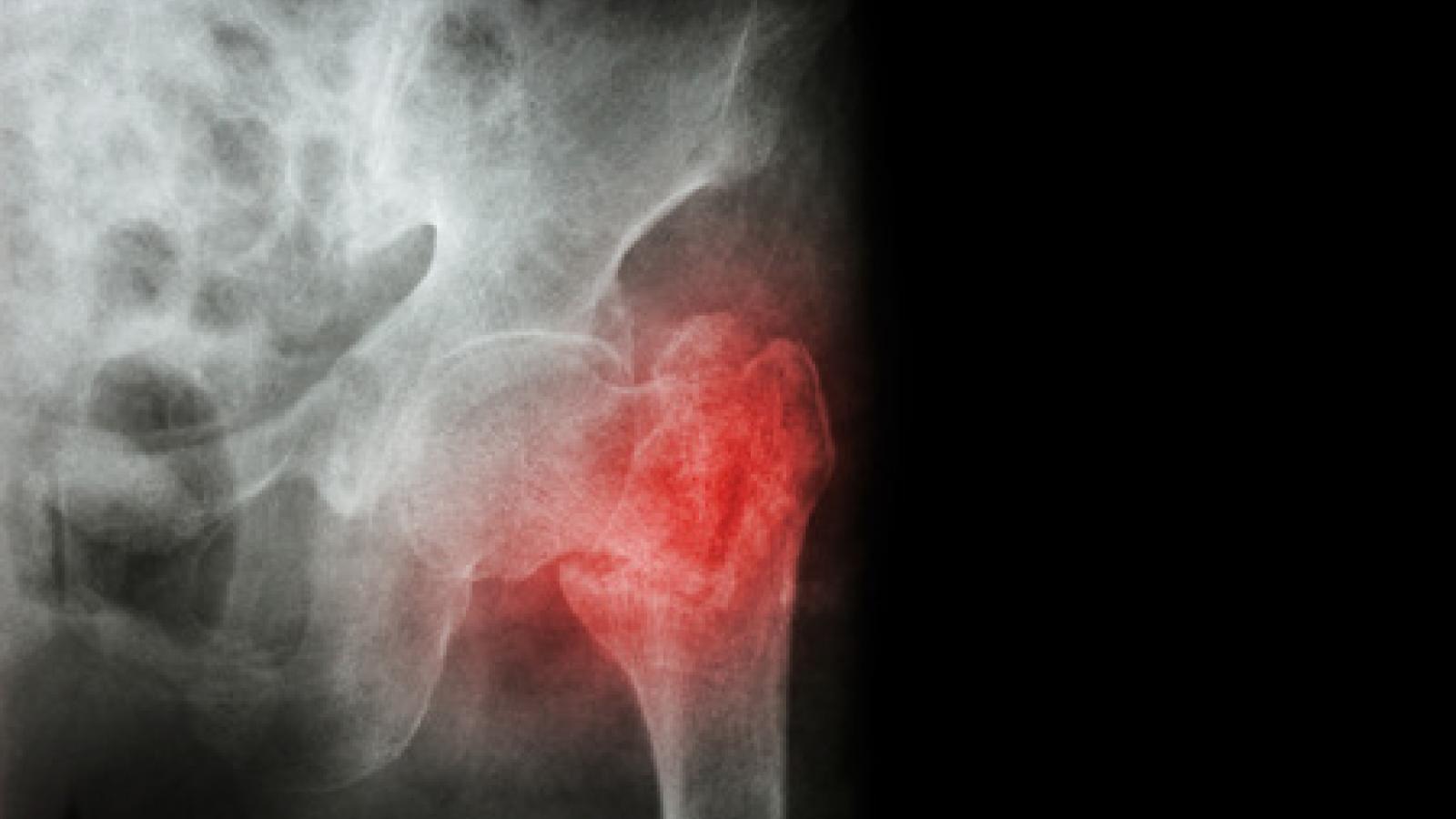
The NY Times reports that millions of Americans with osteoporosis are driven to stop or not take bisphosphonate therapies over the fear of exceedingly rare side effects - osteonecrosis of the jaw (ONJ) and atypical femoral fractures (AFF).
Patient and physician reaction to these rare reports have resulted in a 50 percent decrease in these drugs from 2008 to 2012, and the trend continues.

The results of the faSScinate trial were published in Lancet showing that treatment with Actemra (tocilizumab) resulted in a reduction in skin thickness and an improvement in lung function in patients with systemic sclerosis (SSc).
This study was previously reported at the 2015 ACR meeting. This study is the first placebo-controlled Phase II trial of Actemra for the treatment of SSc.
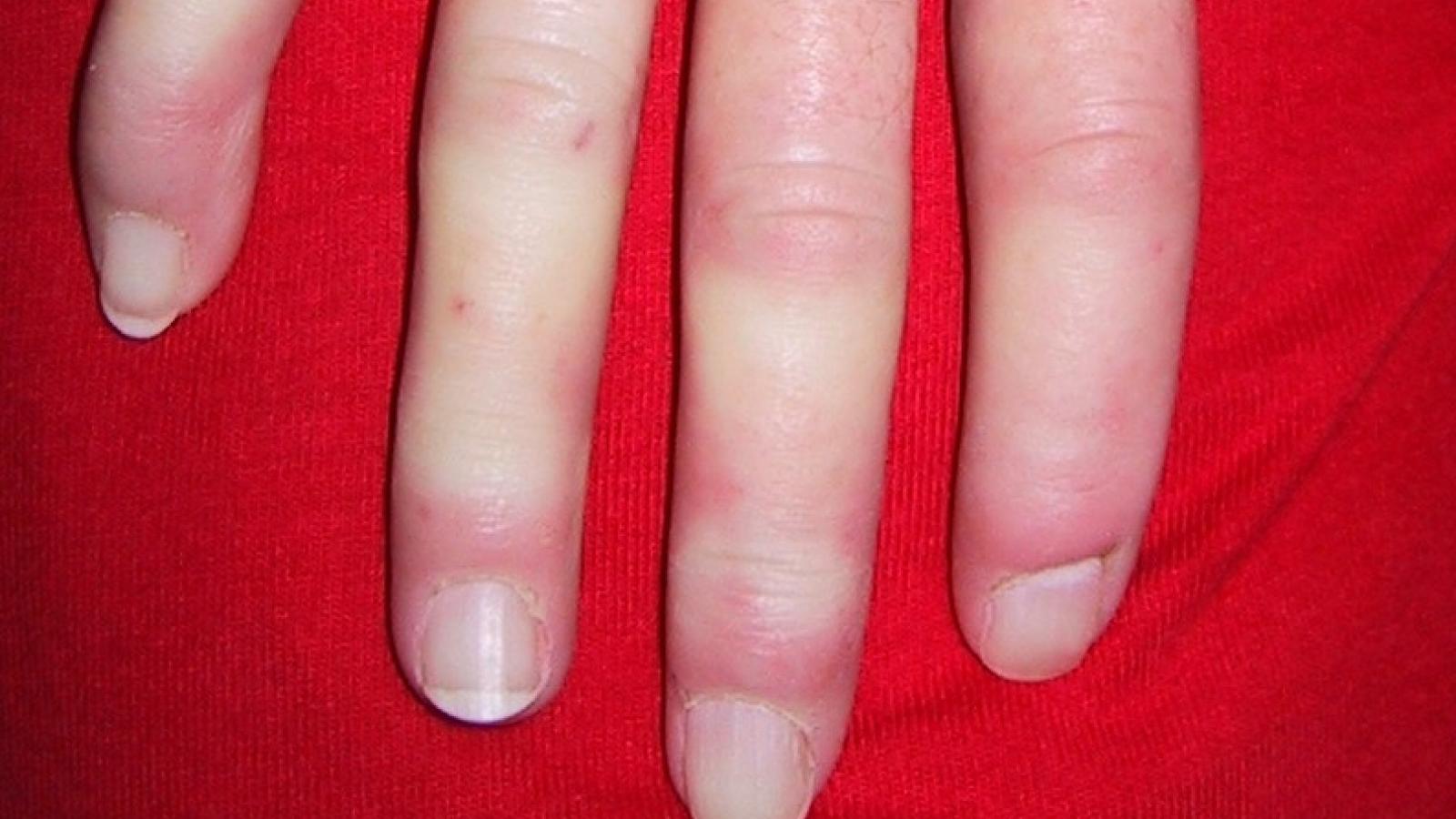
Transforming growth factor (TGF-β) is known to have potent profibrotic activity and has been implicated in the pathogenesis of systemic sclerosis a futile condition with no effective disease modifying treatments.

A Finnish early RA register studied 14,878 incident RA patients from 2000-2008 and identified 1157 deaths. Patients receiving DMARDs and MTX had lower mortality rates. The standardized mortality ratio for the entire cohort was reduced (0.57, 95% CI 0.52 to 0.62).

I was truly stunned when it was announced that Glenn Frey, from the Eagles, had died as a result of complications from his rheumatoid arthritis, ulcerative colitis and pneumonia.
It was unexpected, shocking and so wrong that someone so young would die, and from RA. It hit me hard - a bit worse than Lennon, but not as bad as 9/11.

Travel can be challenging for arthritis patients. Here are some useful tips to travel smoothly and pain free.
Autoimmune ophthalmic disease is a frequent challenge to rheumatologists from both a diagnostic and therapeutic perspective. Approved therapies are limited and have only been infrequently or comfortably utilized by rheumatologists and autoimmune ophthalmologists.

Dr. Jack Cush reviews highlights from the news and social media in the past week on RheumNow.com

A recent report from Johns Hopkins, published in the Annals of Rheumatic Diseases, describes 13 cancer patients treated with the immune checkpoint inhibitors, ipilimumab or nivolumab, who developed inflammatory arthritis and sicca syndrome. This is another collection of musculoskeletal (MSK) complications associated with the use of checkpoint inhibitors.
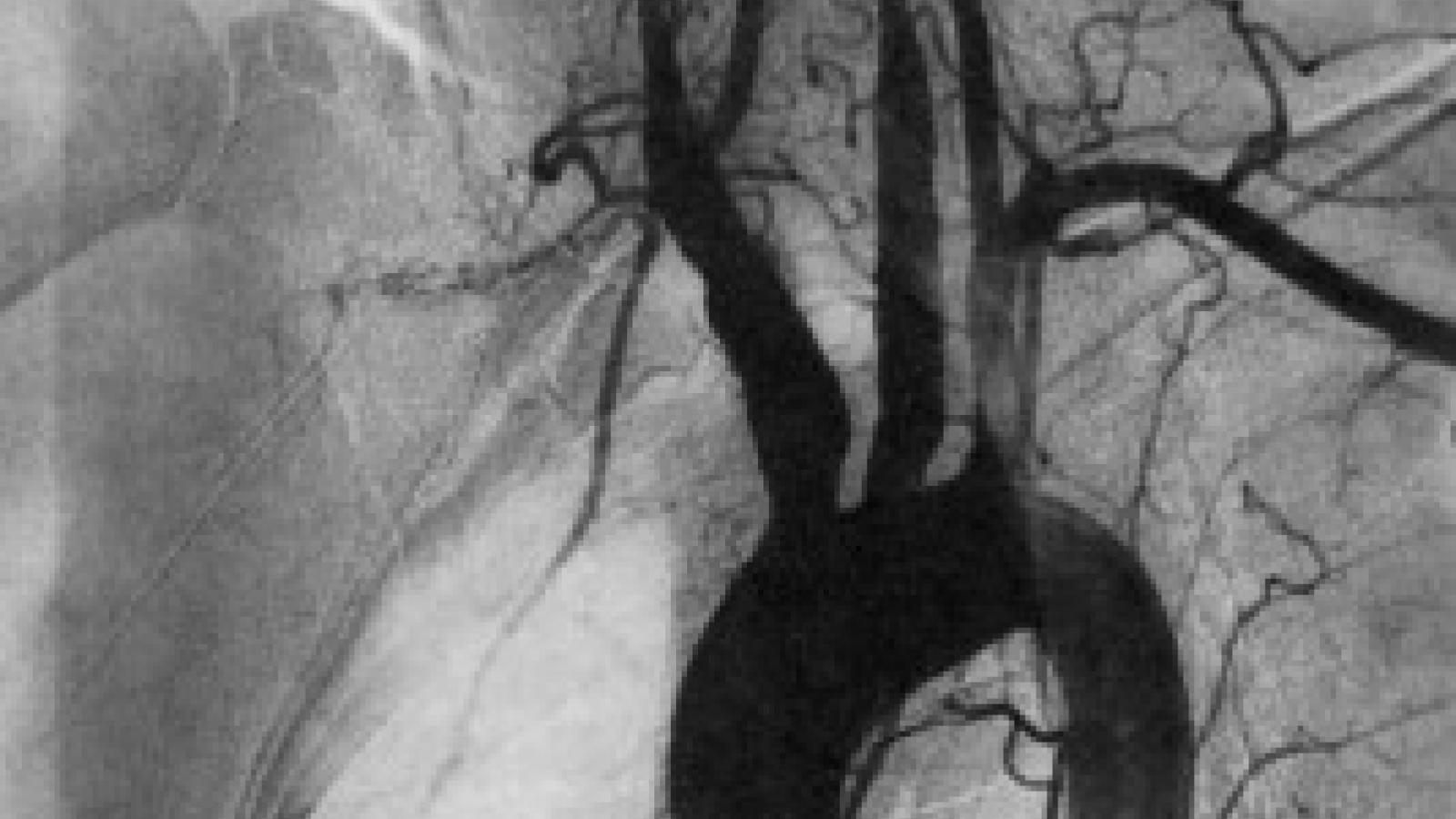
A EULAR task force has updated its 2009 recommendations for the management of anti-neutrophil cytoplasmic antibody associated vasculitis.

Tocilizumab is currently listed as a Category "C" pregnancy risk based on limited pre-clinical (animal) data that was negative. The product label states that "adequate and well-controlled studies with ACTEMRA have not been conducted in pregnant women....and that ACTEMRA should be used during pregnancy only if the potential benefit justifies the potential risk to the fetus."

The Health Assessment Questionnaire is a utilitarian outcome measure, often used in clinical trials and daily practice. Unless you’re still prescribing penacillamine, never attended an ACR meeting, and never read an RA clinical trial, you’re quite familiar with the HAQ and its use in practice. So, surely you’ve heard of the “Brooklyn HAQ”?

Since the introduction of TNF inhibitors nearly 20 years ago, concerns over a potential associated cancer risk have abounded. The recent ACR RA treatment guidelines have addressed this recently, stating that patients with any solid tumor cancer or risk thereof should be treated as if they had no such solid tumor. Meaning that biologics clearly do not affect solid cancer outcomes.

Researchers from Bristol, UK have published a Cochrane review studying the effects of biologic therapies on fatigue. Based on a review of the electronic literature and randomised controlled trials they found that biologic interventions in patients with active RA can lead to a small to moderate improvement in fatigue.

