

The BMJ reports that while most US providers are cautious in their prescribing, half of opioid prescriptions are written by 1% of providers.
Between 2003 and 2017, there was an annual average of 669495 providers prescribing 8.9 million opioid prescriptions.

Dr. Jack Cush reviews the news and journal articles from the past week on RheumNow.com.
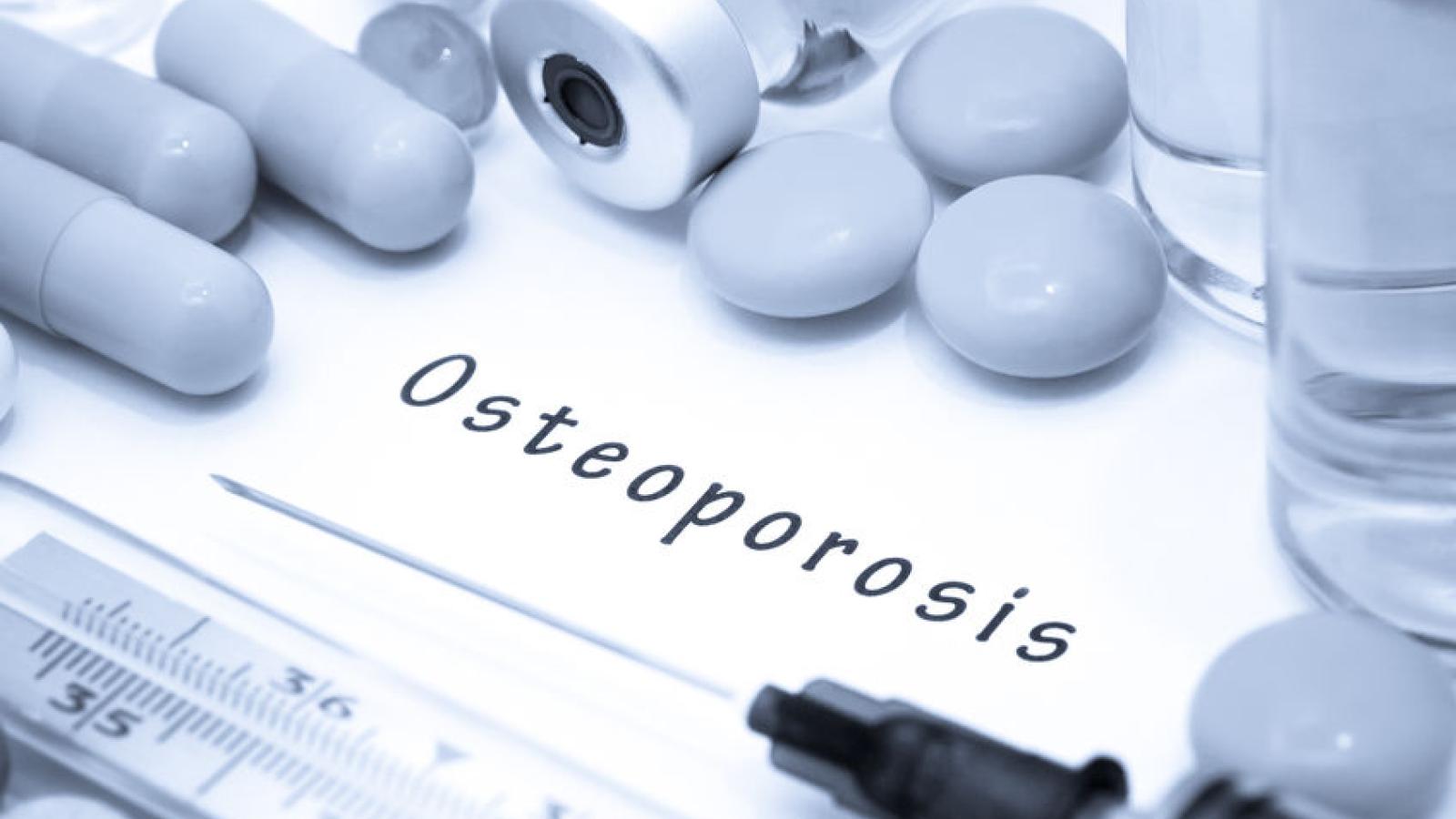
The NEJM weighs in on the problem of post-menopausal osteoporosis (OP) and tackles the use of hormonal therapy.
The decline in estrogen after menopause may increase risks for osteoporosis, cardiovascular disease, and cognitive decline. The use of hormone replacement therapy (HRT) to obviate these issues may be primarily driven by hot flashes in postmenopausal women.1
Who may benefit from hormone therapy among postmenopausal women?

UK registry reports that greater than 80% of total knee replacements can last for 25 years.The outcomes regarding the duration and durability of knee arthroplasties is sketchy, with many orthopedists projecting a 15 to 20 year survivial. Hence the need for an appraisal of the data.

Women who were seropositive for anti-citrullinated protein antibodies (ACPA) and ultimately went on to develop rheumatoid arthritis (RA) were also at increased risk for being diagnosed with chronic obstructive pulmonary disease (COPD), analysis of data from the Nurses' Health Study showed.
The US healthcare market has evolved into an incredibly expensive system that often does not deliver good medical outcomes. While most of us know these problems exist, we rarely have up-to-date data or can offer alternatives to the way we manage care, especially to the chronically ill who consume much of our health care dollars. In their book, authors Tim Harrington, MD and Andrew Johnson, MS, MBA offer insights, evidence and experience on how

A new study in Scientific Reports suggest that circadian rhythms play an important role in wound healing, and that nonsteroidal anti-inflammatory drugs (NSAIDs) may be disruptive if taken at night given primary healing that occurs in a body at night.

The 2019 update to the EULAR recommendations on the use of synthetic and biological disease-modifying antirheumatic drugs in rheumatoid arthritis (RA) have been published in Annals of Rheumatic Disease - highlighting the efforts of an international consensus committee effort.
In the end, the task force put forth 5 overarching principles and 12 recommendations concerning use of conventional synthetic DMARDs, glucocorticoids, biological DMARDs,
Dr Jack Cush comments on this week's journal articles, reviews and studies.

QD Clinic - Lessons from the clinic. In this video: Patients stable on a biologic need guidance on when, and if, they can stop their biologic.
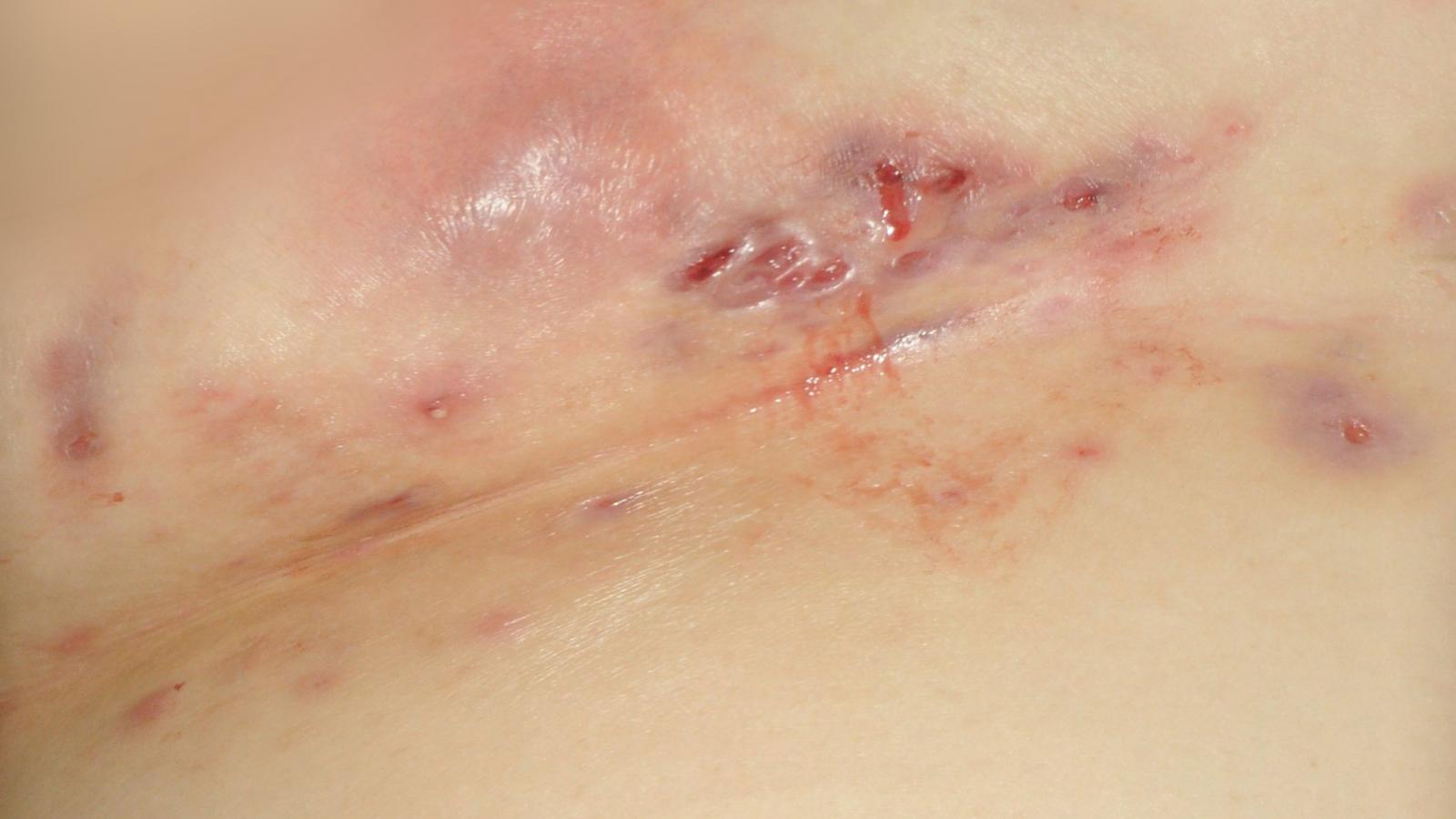
JAMA Dermatology reports that after the onset and diagnosis of hidradenitis suppurativa (HS), such patients have a higher risk of certain forms inflammatory arthritis.

QD Clinic - Lessons from the clinic
Active HBV infection (HGsAg+) on anti-viral therapy but needs a biologic - what should you use?

QD Clinic - Lessons from the clinic
The Consult that shows up without a cause - and what to do?

The availability of biologic biosimilars has thus far had negligible impact on prescribing practices in the United States, in stark contrast to what has been observed in some European countries, researchers reported.
QD Clinic - Lessons from the clinic. Today’s clinic topic: Dealing with Non-Adherence in the Clinic.

