

Yesterday, AbbVie reported the top-line study results showing the efficacy of Rinvoq (upadacitinib - UPAD) adult patients with active psoriatic arthritis who previously had an inadequate response to a biologic DMARD.

Dr. Jack Cush reviews recent journal articles and info bits from the past week on RheumNow.com.

The Global Burden of Diseases, Injuries, and Risk Factors study (GBD) from 2017 analyzed the burden of rheumatoid arthritis (RA) for 195 countries between 1990 to 2017 and surmised that RA is a major global public health challenge, with increasing prevalence and incidence rates.

Arthritis Research & Therapy reports on a prospective cohort of children with juvenile idiopathic arthritis (JIA) shows that the incidence has held steady at 12.8/100,000 children, but that the frequency uveitis and the need for orthopedic surgery has decreased in the last 20 years.

A Canadian population-based study shows that pregnant women with rheumatoid arthritis (RA) frequently discontinue their DMARD medications, especially in the first trimester.An administrative data study looked at women with RA with a singleton pregnancy who were studied for utilization of RA medications, including conventional synthetic DMARDs, biologics, glucocorticosteroids and NSAIDs.
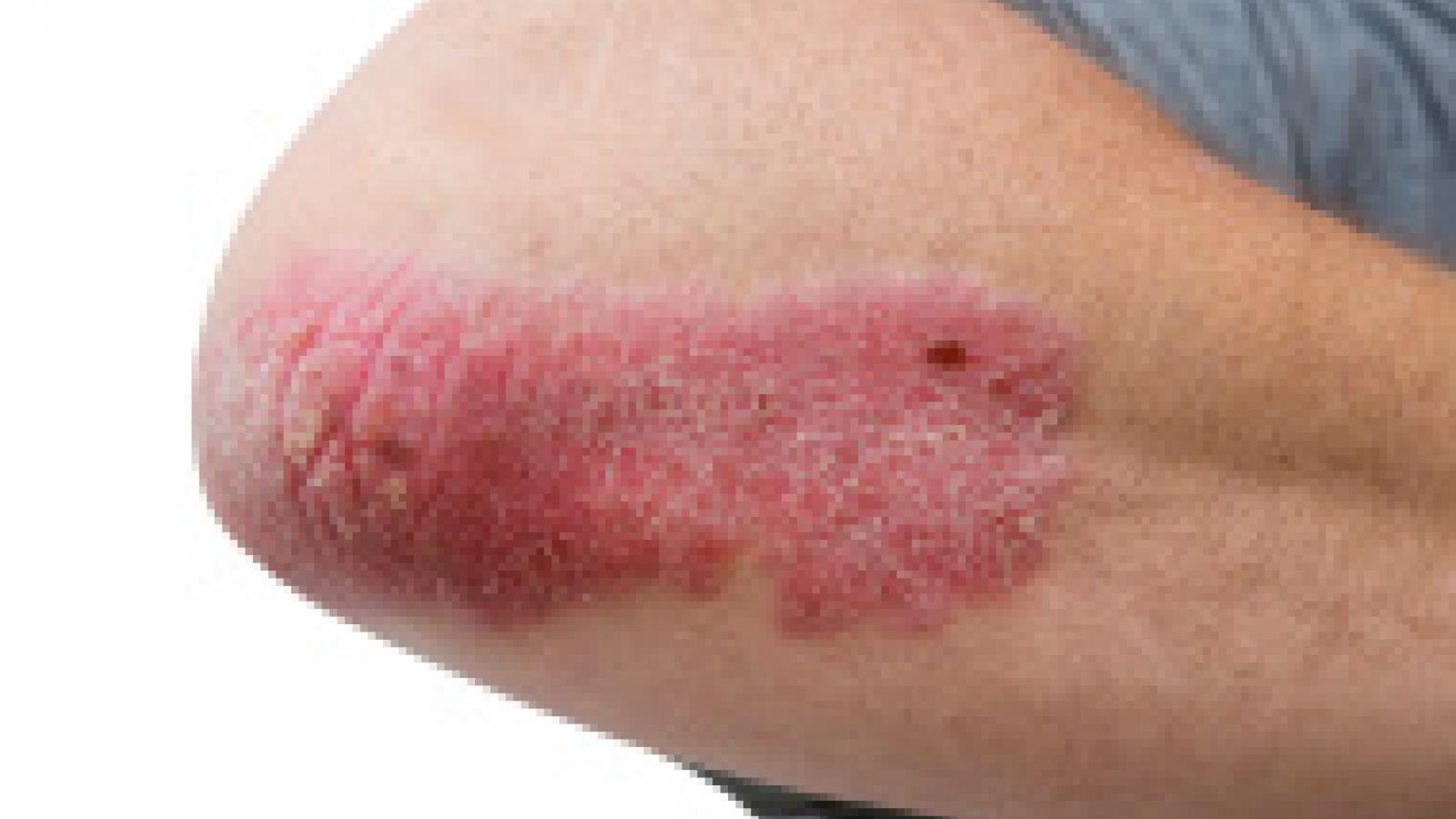
Children with inflammatory diseases who were treated with tumor necrosis factor (TNF) inhibitors had a higher rate of incident psoriasis than those not exposed to these biologics, a single-center retrospective study found.
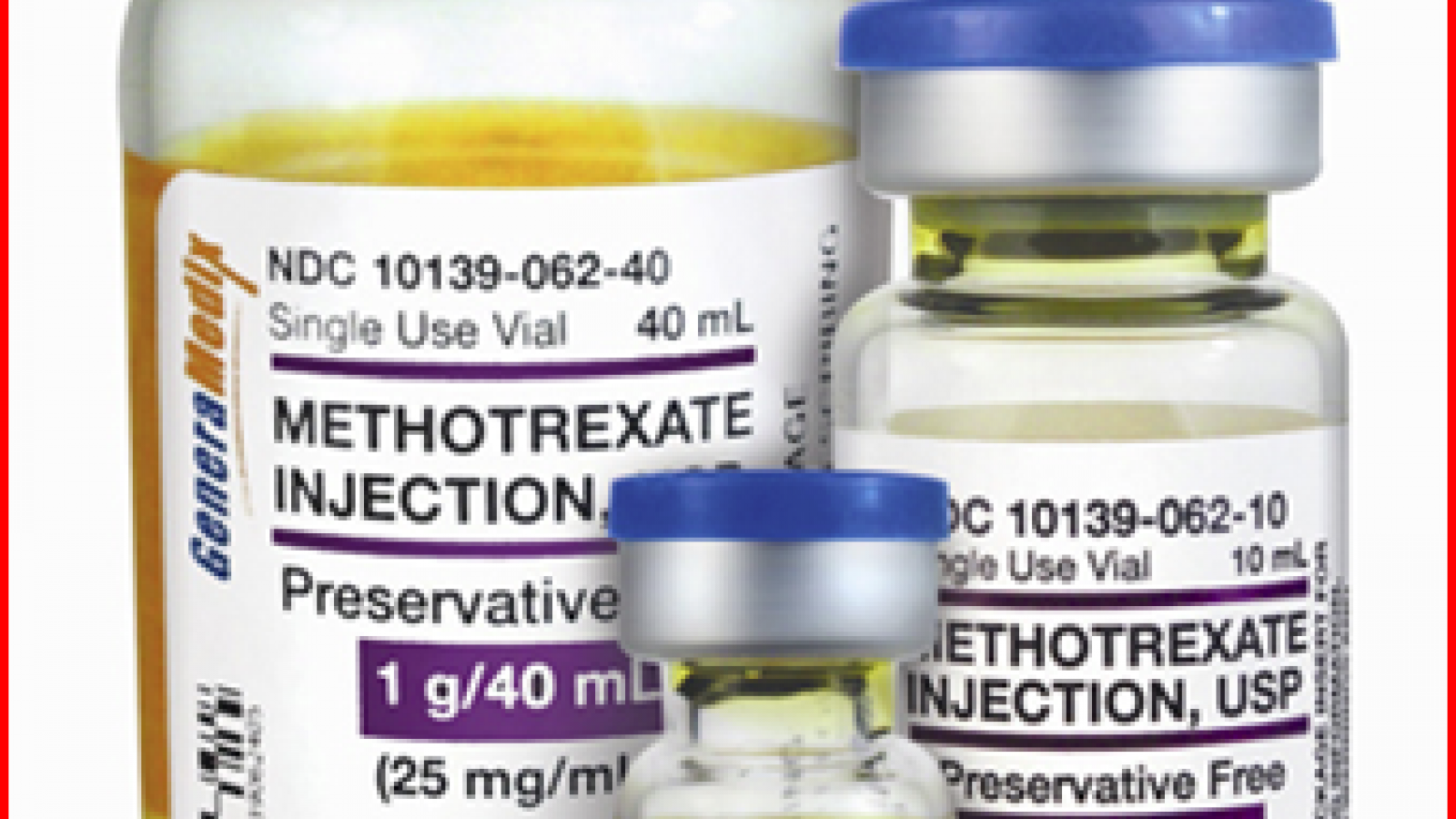
Rheumatology has a comprehensive overview of methotrexate (MTX) and the risk of lung injury, MTX-related pneumonitis and interstitial lung disease (RA-ILD) with rheumatoid arthritis (RA). Past reports suggest the frequence of MTX-pneumonitis to be between 0.3 and 11.6%; recent studies suggest it may be much lower.

Researchers from Washington State University have shown that inhibition of tumor growth factor-β (TGF-β)-activated kinase 1 (TAK1) can effectively downregulate inflammatory mediators and suppress inflammation caused by gout.
Monosodium urate (MSU) crystals directly activate the inflammasome to produce a plethora of pro-inflammatory cytokines, including interleukin-1β (IL-1β).

JAMA has an article this week on the shift from biologic drugs to less expensive therapeutic biosimilar agents. The impact of biosimilars can be easily represented by the shift from adalimuamb - a biologic with nearly $19 billion in sales in 2018 - to any one of the four FDA approved biosimilars for adalimumab (see the daily download for slides on new adalimumab and other biosimilars).

A nice review by Physician Sense and MDLinx discusses potential physician violations of current HIPAA law, largely driven by the digital age and common work flows. Several mistakes you you be aware of and avoid, include:
Forwarding PHI to a personal email account
Dr. Jack Cush reviews the news and journal articles from the past week on RheumNow.com.

The U.S. Food and Drug Administration has issued a new draft guidance document calling for a boxed warning and delineation of risks with breast implants.

Despite the well known, well publicized treat-to-target (T2T) goal of a serum uric acid (SUA) level 6 mg/dl, this goal is seldom achieved ( 40%) in clinical practice and patient adherence has been unacceptably low. A recent study shows that nurse-led care led to better outcomes in gout including patient acceptability, long-term adherence, and less flares.

Sanofi has initiated a voluntary recall of all Zantac OTC (over-the-counter) products in the United States. This includes Zantac 150®, Zantac 150® Cool Mint, and Zantac 75®. Zantac tablets are an oral, over-the-counter product to prevent and relieve heartburn associated with acid ingestion and sour stomach.

Ustekinumab (Stelara) is now FDA-approved to treat moderately to severely active ulcerative colitis, said drugmaker Janssen on Monday, in addition to its indications for psoriasis, psoriatic arthritis, and Crohn's disease.

