

Psoriasis confers a significant risk of comorbidity, but is psoriasis associated with increased coronary inflammation and is this risk attenuated by biologic therapy?
JAMA Cardiology has published a cohort study of 134 consecutive patients with moderate to severe psoriasis, showing that biologic therapy was associated with a significant decrease in coronary inflammation as assessed by perivascular fat attenuation index, a marker of coronary
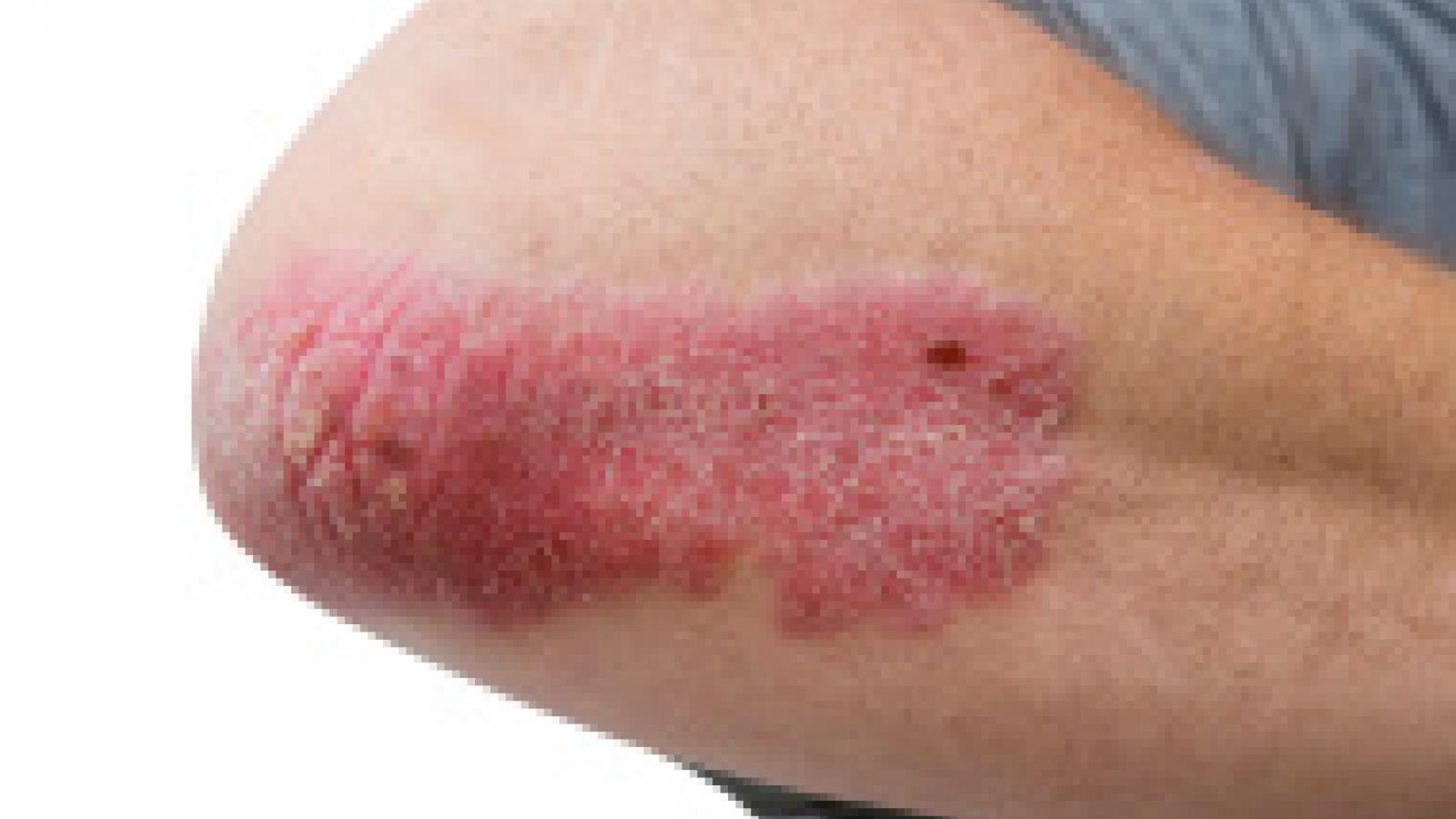
Analysis of RA patients in the German biologics register, RABBIT, shows an increased risk of psoriasis with TNF inhibitor (TNFi) compared to csDMARDs and other non-TNFi biologics.
Among RABBIT RA patients without (n = 14,525) or with a history of psoriasis (n = 375) they assessed the risk of incident psoriasis or flare according to what biologic or csDMARD taken.

Medscape has reported the results of the US News & World Report's annual ranking of the best adult rheumatology hospitals nationwide has again honored Johns Hopkins Hospital, with runner up status going to the Cleveland Clinic, Hospital for Special Surgery, NewYork-Presbyterian University of Columbia, and Cornell. These results are based on surveys of US rheumatology specialists responding to US News surveys.

The incidence rate of joint surgery among patients with psoriatic arthritis (PsA) has remained persistently high, double that of the general population, according to a new Danish cohort study.

Part II of this series is a direct message to rheumatologists. If we’re doing such a great job in RA, then why do we need a war on RA? Why is this conflict being laid at the feet of good soldier rheumatologists, those who toil daily at winning therapeutic battles one patient at a time? The reasons are blunt and true.
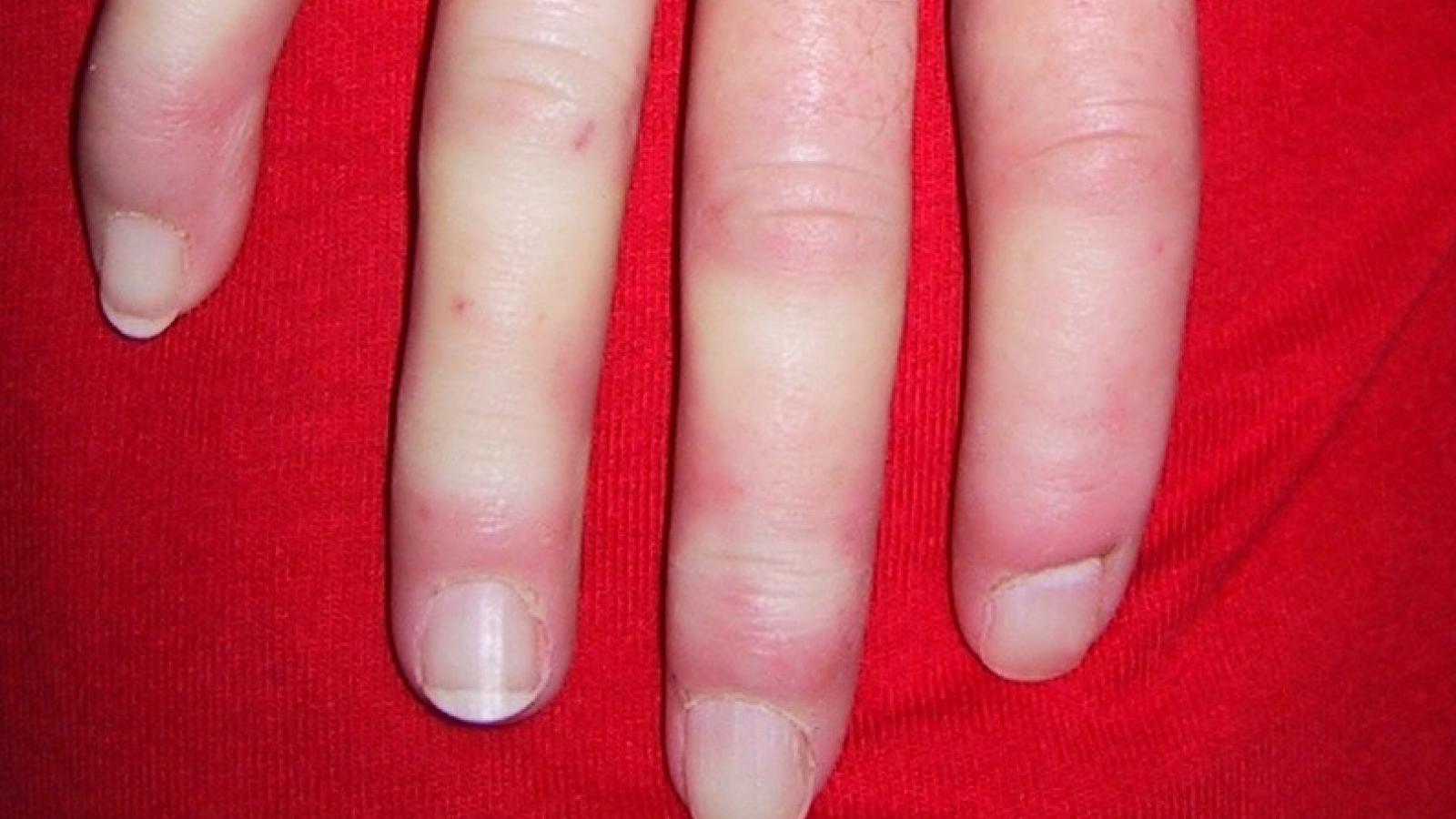
A 12‐month, Phase 2 trial has shown that subcutaneous abatacept was well tolerated in patients with diffuse cutaneous systemic sclerosis (dcSSc), but failed to significantly change the skin outcomes as measured by the change in modified Rodnan skin score (mRSS)

While often seen as demanding, millennial patients have grown accustomed to having direct access to everything and everyone. They tend to be more involved in the clinical evaluation in the office, more concerned about the social aspects of the disease, and are more frustrated with the varying shades of gray in diagnoses and delayed treatment efficacy. What does this mean for you and your practice?

Dr. Jack Cush reviews the news, journal reports, and FDA releases and deliberations covered this past week on RheumNow.com

The U.S. Food and Drug Administration has approved new warnings about an increased risk of blood clots and of death with the 10 mg twice daily dose of tofacitinib (Xeljanz, Xeljanz XR), which is used in patients with ulcerative colitis.
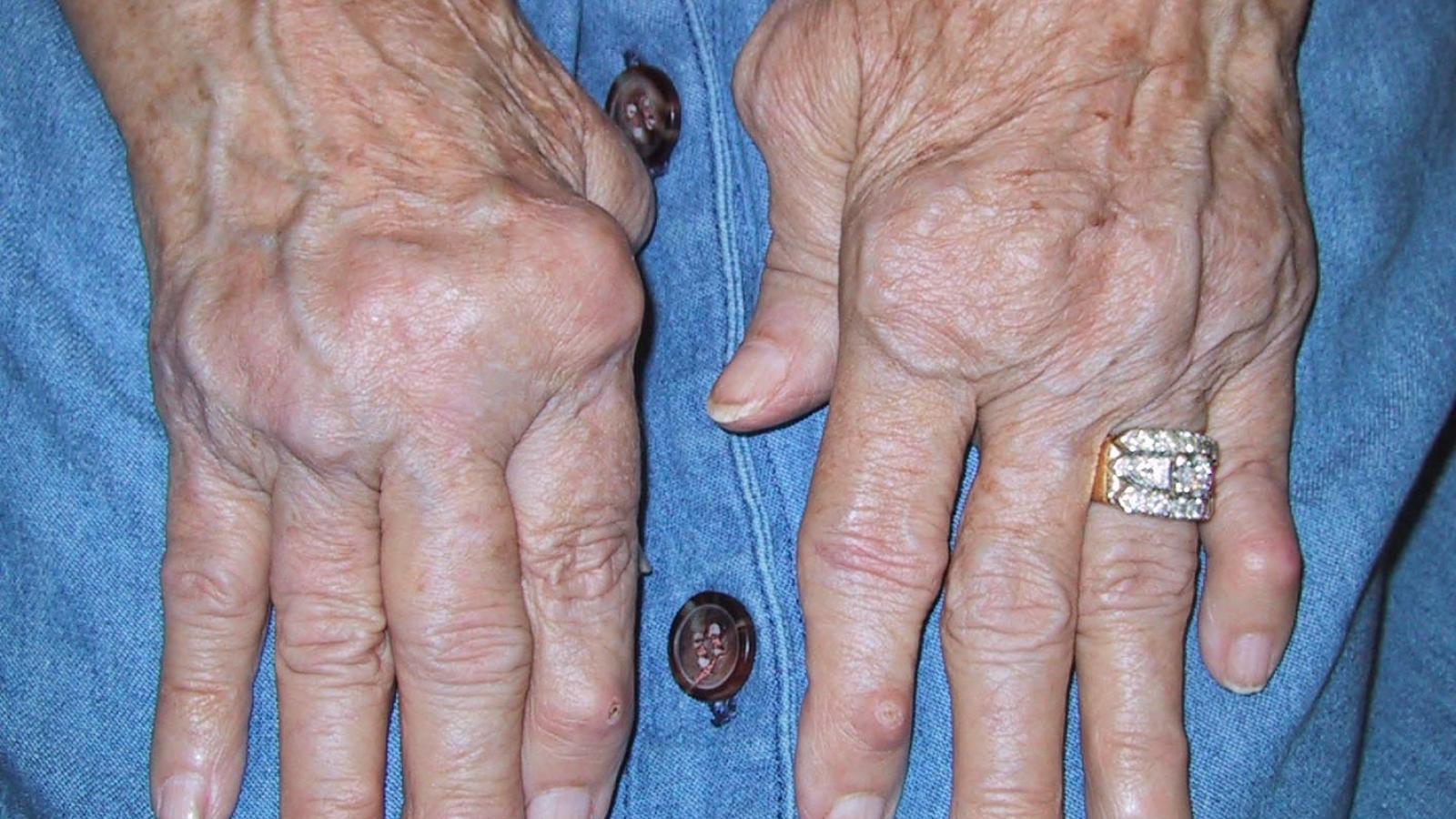
A post hoc analysis of baricitinib use in rheumatoid arthritis (RA) patients shows that while many patients respond well to baricitinib monotherapy or to switching to baricitinib monotherapy, those with less disease control respond well to the addition of methotrexate (MTX) to baricitinb.

The FDA convened Arthritis Advisory Committee to consider nintedanib for the treatment of systemic sclerosis-associated interstitial lung disease (SSc-ILD) and voted 10-7 in favor of approving the drug for this new indication.

Knowing the names of the agents in today’s armamentarium should be simple. But, the nomenclature is notoriously confusing. The names of monoclonal antibodies can stretch to five syllables which defy easy pronunciation beyond the “mab” at the end. Who comes up with these names anyway?

The FINCH2 study has shown that filgotinib, an oral once daily JAK 1 inhibitor, is highly effective in rheumatoid arthritis (RA) patients who failed to respond to prior biologic therapy.
The comparative risk for gastrointestinal bleeding (GIB) with non-vitamin K antagonist oral anticoagulants (NOACs) was compared to vitamin K antagonists or anti-platelet agents in a recent metanalysis, which showed no significant difference in major GIB events between these agents.
It’s a great time to be a rheumatologist and to manage RA. But, if you keep doing what you’re doing, you’re going to keep getting what you’ve got.

