

On January 11, 2019 the FDA convened two advisory panels (the Arthritis Advisory Committee [AAC] and the Drug Safety and Risk Management Advisory Committee [DSaRM]) to consider the cardiovascular safety of febuxostat (Uloric) based on the 2018 “Cardiovascular Safety of Febuxostat and Allopurinol in Patients with Gout and Cardiovascular Morbidities (CARES) study.
The Vote
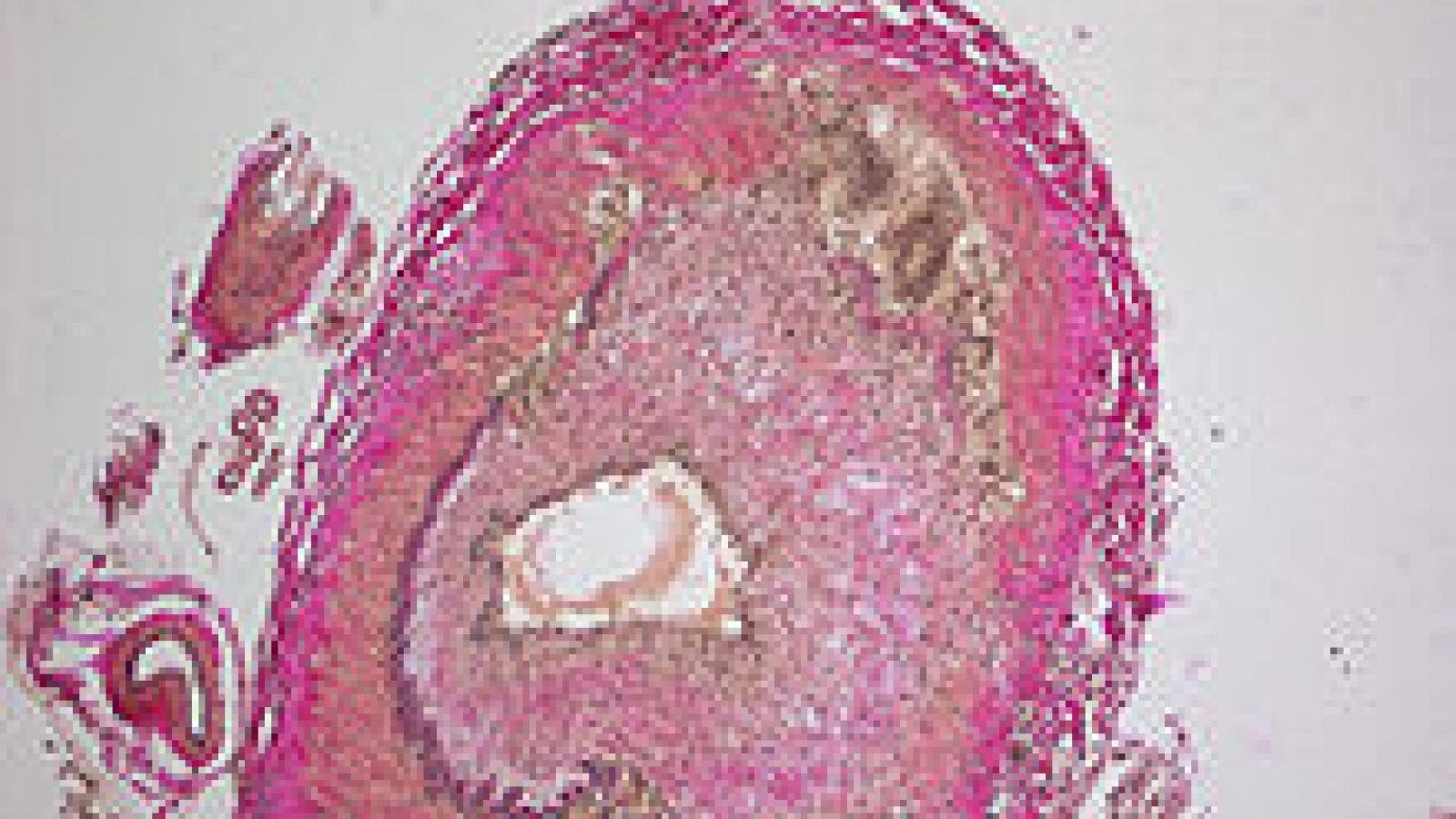
Tocilizumab (Actemra) was effective for refractory giant cell arteritis (GCA) in real-world practice, although serious infections occurred relatively frequently, Spanish investigators reported.

A JAMA Viewpoint article examines the performance of aging surgeons and notes that the effects of aging affects physicians variably and that physician competency should be based on functional age (and abilities) rather than chronologic age. This argues against a mandatory retirement age for surgeons.
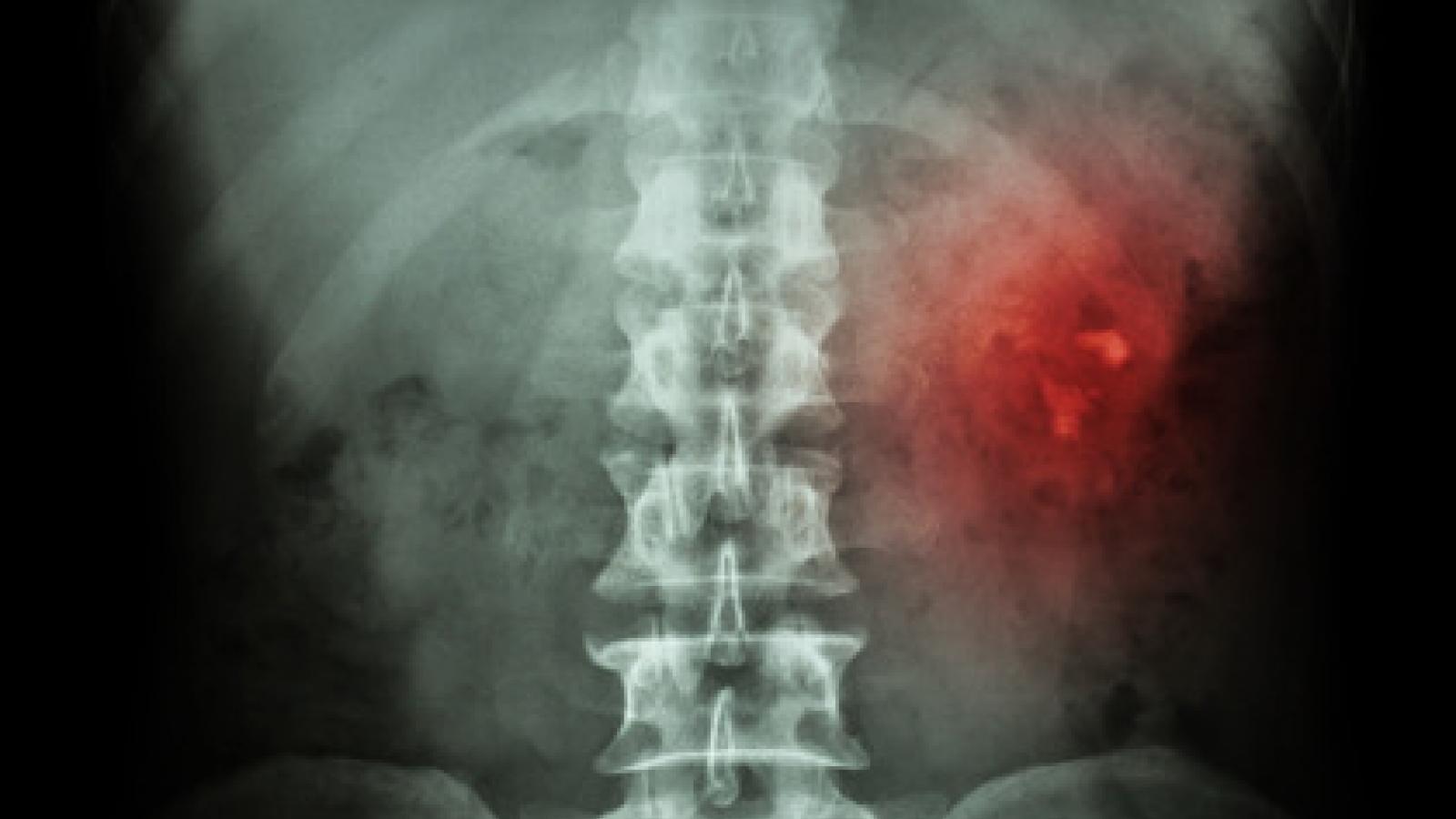
It has been historically said that risk factors for scleroderma renal crisis (SRC) includes include cold exposure, steroid use, dehydration, rapid progression of skin disease, tendon friction rubs, anti-RNA polymerase III antibodies and pregnancy. A new study examines risk factor for SRC at the onset and diagnosis in systemic sclerosis patients.
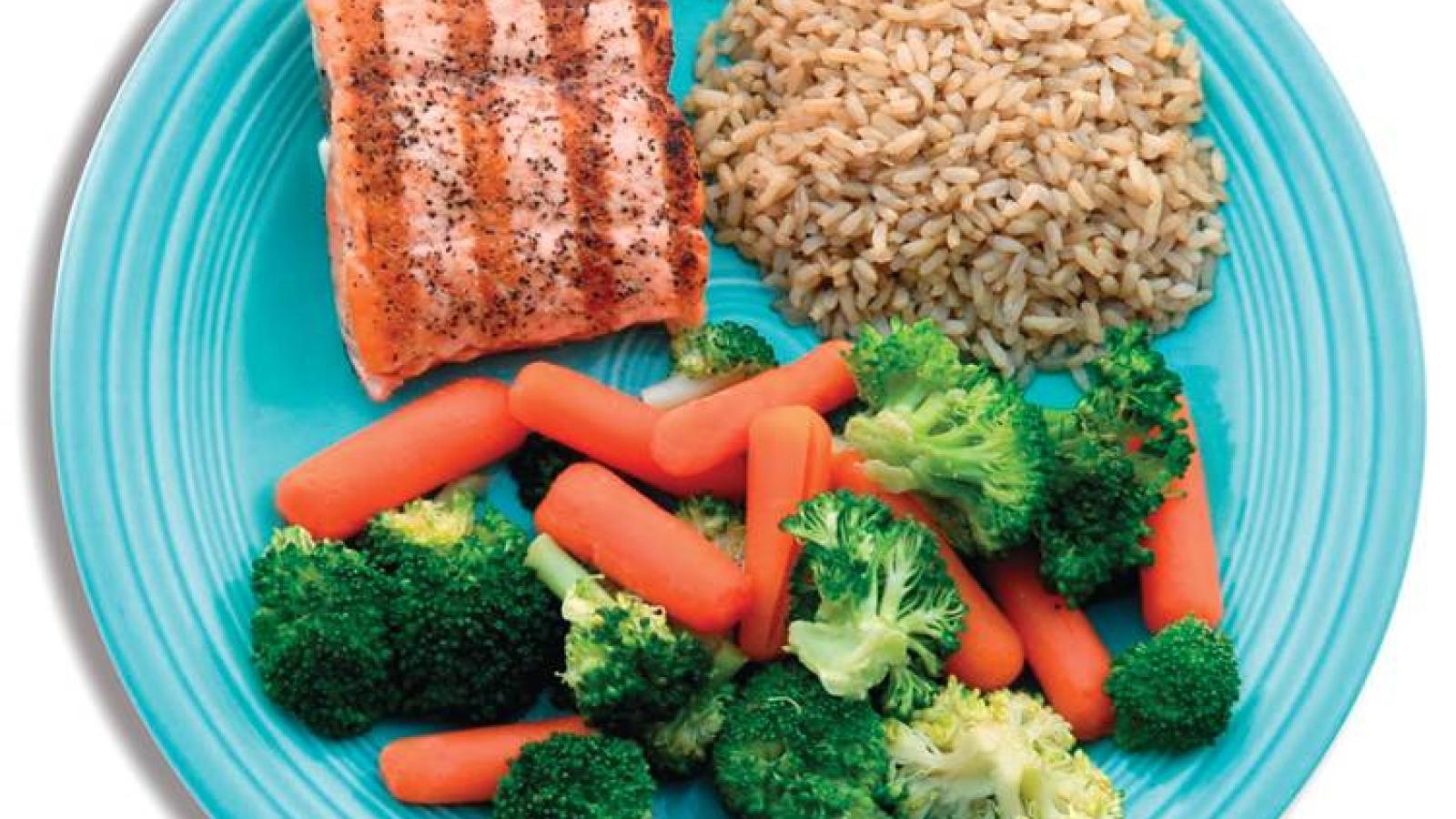
Short-term intervention with the very low energy diet (VLED) in psoriatic arthritis (PsA) with obesity (body mass index BMI ≥ 33 kg/m2) showed that weight loss was associated with significant positive benefits on weight and disease activity in joints, entheses and skin.
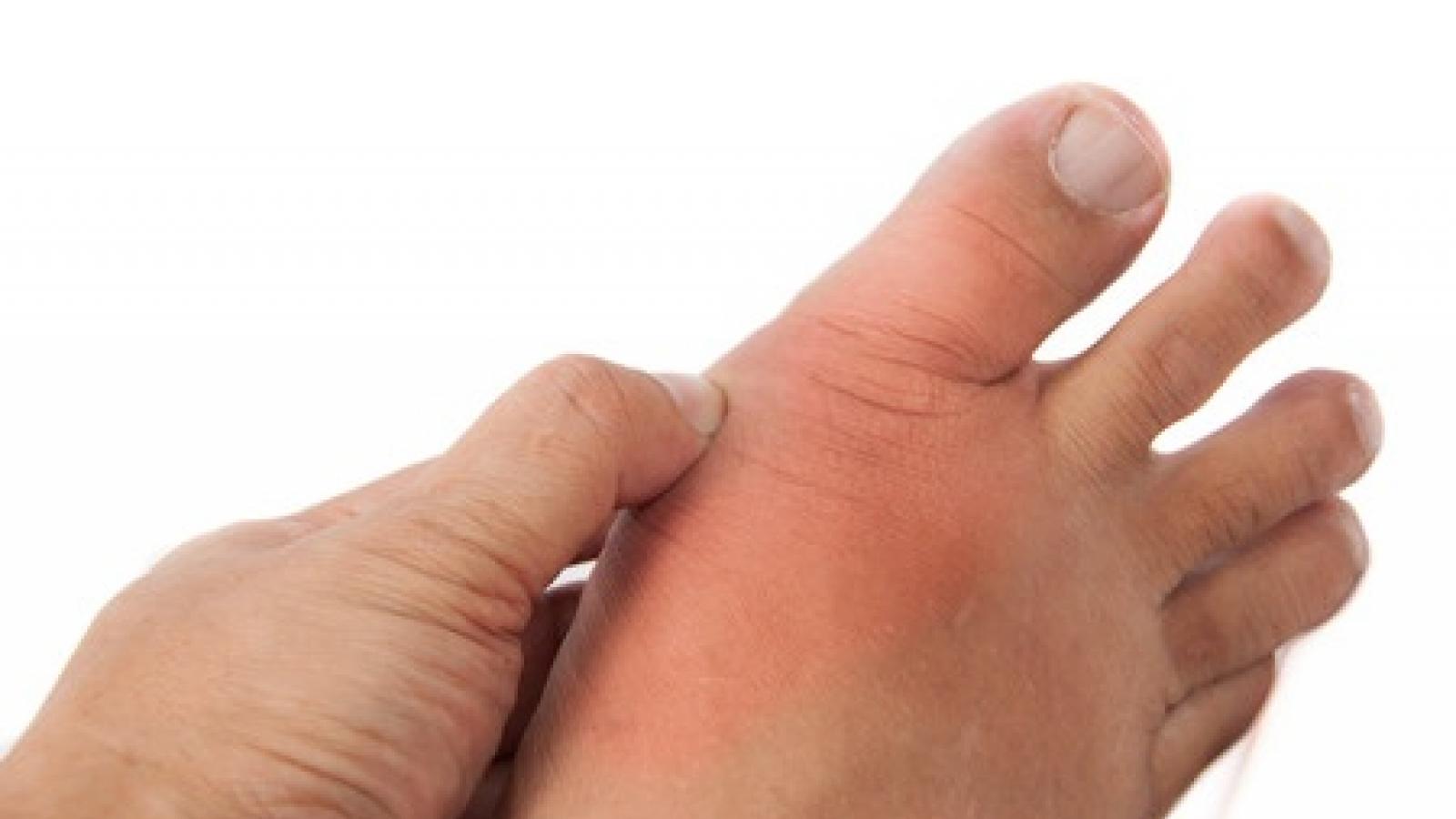
The most recent analysis of National Health and Nutrition Examination Survey [NHANES] 2007-2016) data shows the prevalence of gout to be 9.3 million in the USA.
Data from 5,467 participants from NHANES 2015-2016, finds gout in 3.9% or 9.2 million US adults. This includes 5.2% [5.9 million] of men and 2.7% [3.3 million] of women with gout.

Dr. Jack Cush discusses the highlights from the past week on RheumNow.com:
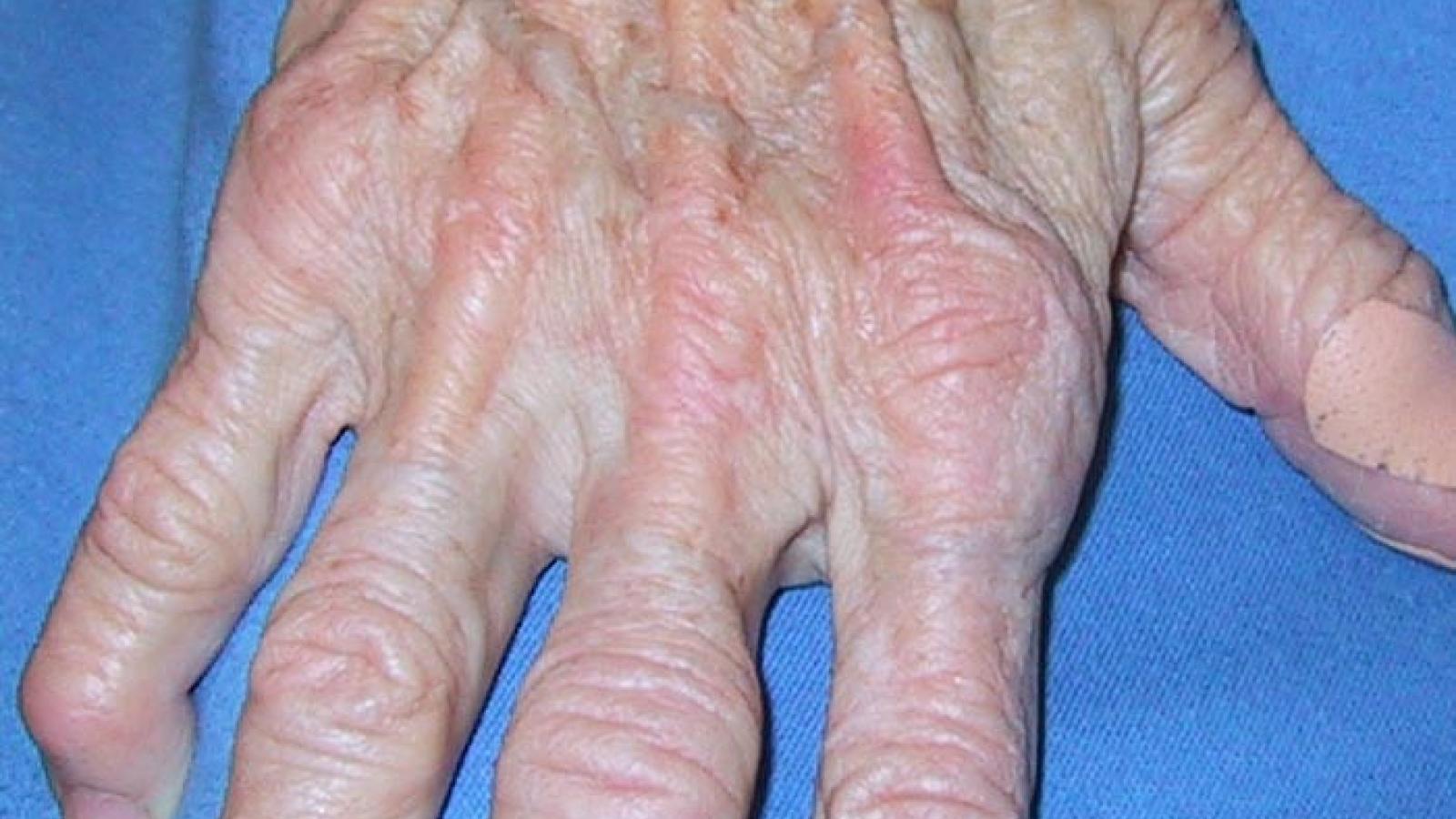
Hand and knee osteoarthritis are considered to be clinically and pathogenically different and distinct, but a new study suggests that Heberden's nodes (HNs) can predict MRI‐based knee osteoarthritis (OA) progression.An NIH study of 575 subjects included clinical examination with evaluation of HNs at baseline and knee MRI at baseline and 24‐month.
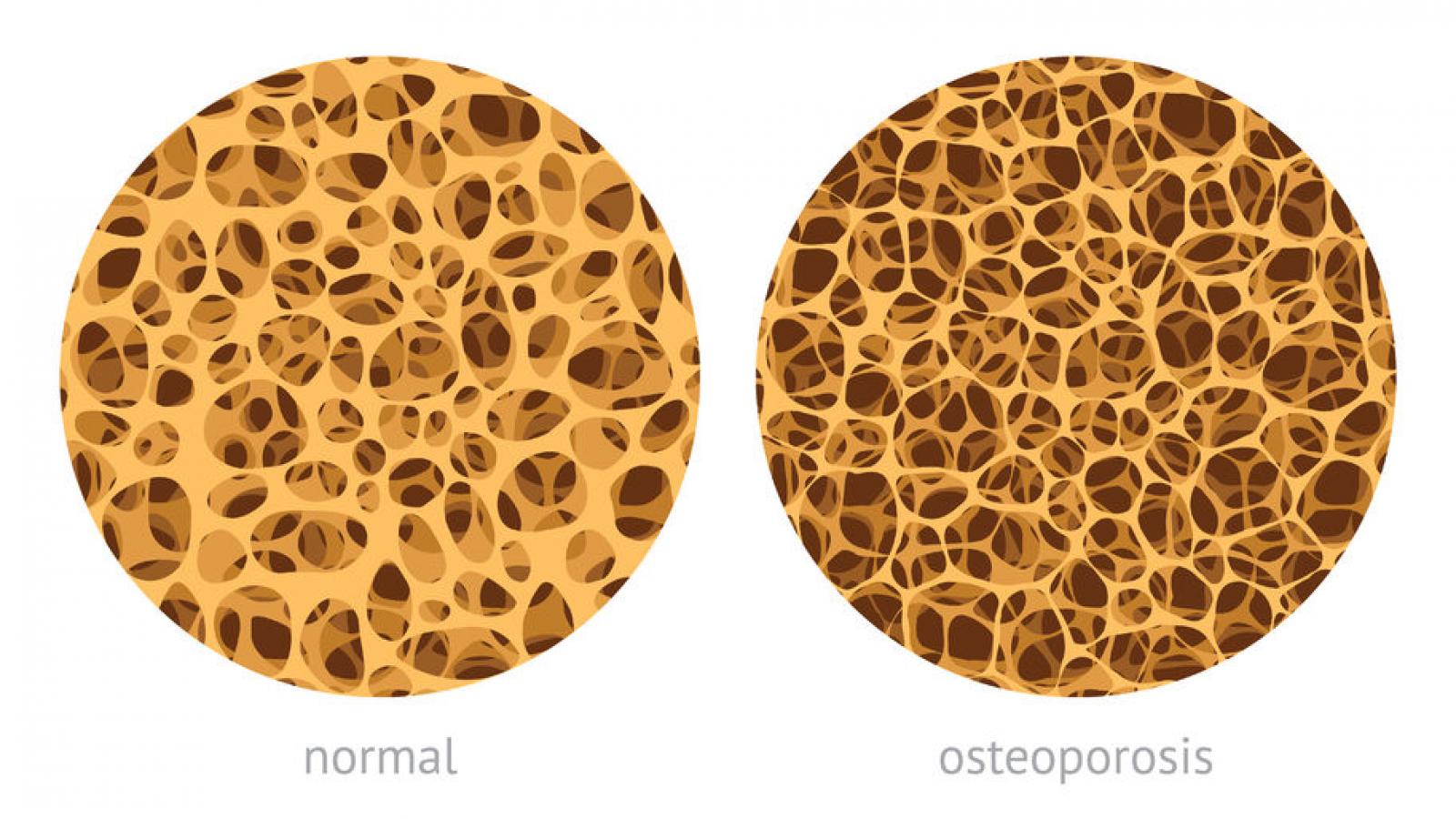
Lenore Buckley and Mary Humphrey have published a nice review of glucocorticoid-induced osteoporosis (GIOP) in the NEJM.

JAMA reports that health care advertising costs in the U.S. have almost doubled over the past two decades, surging from $17.7 billion in 1997 to at least $29.9 billion in 2016. (Citation source: https://buff.ly/2Rk8a9Q)

A current meta-analysis of safety and efficacy of combination bDMARD treatment in RA patients shows that combination treatments increase serious advese event (SAE) risks, and the risk for serious infections in particular.

An article in the New England Journal of Medicine reports that the rates of suicide and drug overdoses has doubled in the last 17 years, and that opioids are largely to blame.
Using data from the Centers for Disease Control and Prevention databases, researchers show that the sheer number of deaths from suicides and unintentional overdoses together rose from 41,364 in the year 2000 to 110,749 in 2017.

Reuters reports that Bristol-Myers Squibb (BMS) has announced its intention to buy Celgene Corp for nearly $74 billion in a cash-and-stock deal.
Celgene shareholders will receive one BMS share and $50 in cash per share (or $102.43 per share), and a premium of 53.7 percent to Celgene’s Wednesday close.

Dr. Jack Cush reviews the news and journals for the beginning of 2019. All from RheumNow.com.
Best wishes for a charmed 2019! My advice: 1. Just show up. 2. If you can, then you must do. 3. Live each day as if it twas your 1st day/last day/make or break day. 4. Teach.
This annual appraisal of hallmark moments, news and research articles from 2018 are gleaned from that published in RheumNow during the last year and filtered by other news sources and literature review. The top 10 list herein is rooted in what rheumatologists should know and what will likely change their standards and practice in the future, if not 2019.

