

Manpower in rheumatology is about to be a major problem for the next several decades: not enough trainees, a "tsunami of retiring older white rheumatologists", and an aging baby-boomer, arthritis-primed population will strain current resources and manpower. Moreover, necessary services will not likely be available to those in need and there may be a significant maldistribution of adequate rheumatologic care.

Biosimilars continue to command a great deal of research, development and attention given the promise of significant cost savings and potentially wider use for those in need. Biosimilar Reports is an ongoing series dedicated to advances, discussions and developments in biosimilar agents intended for use by rheumatologists.
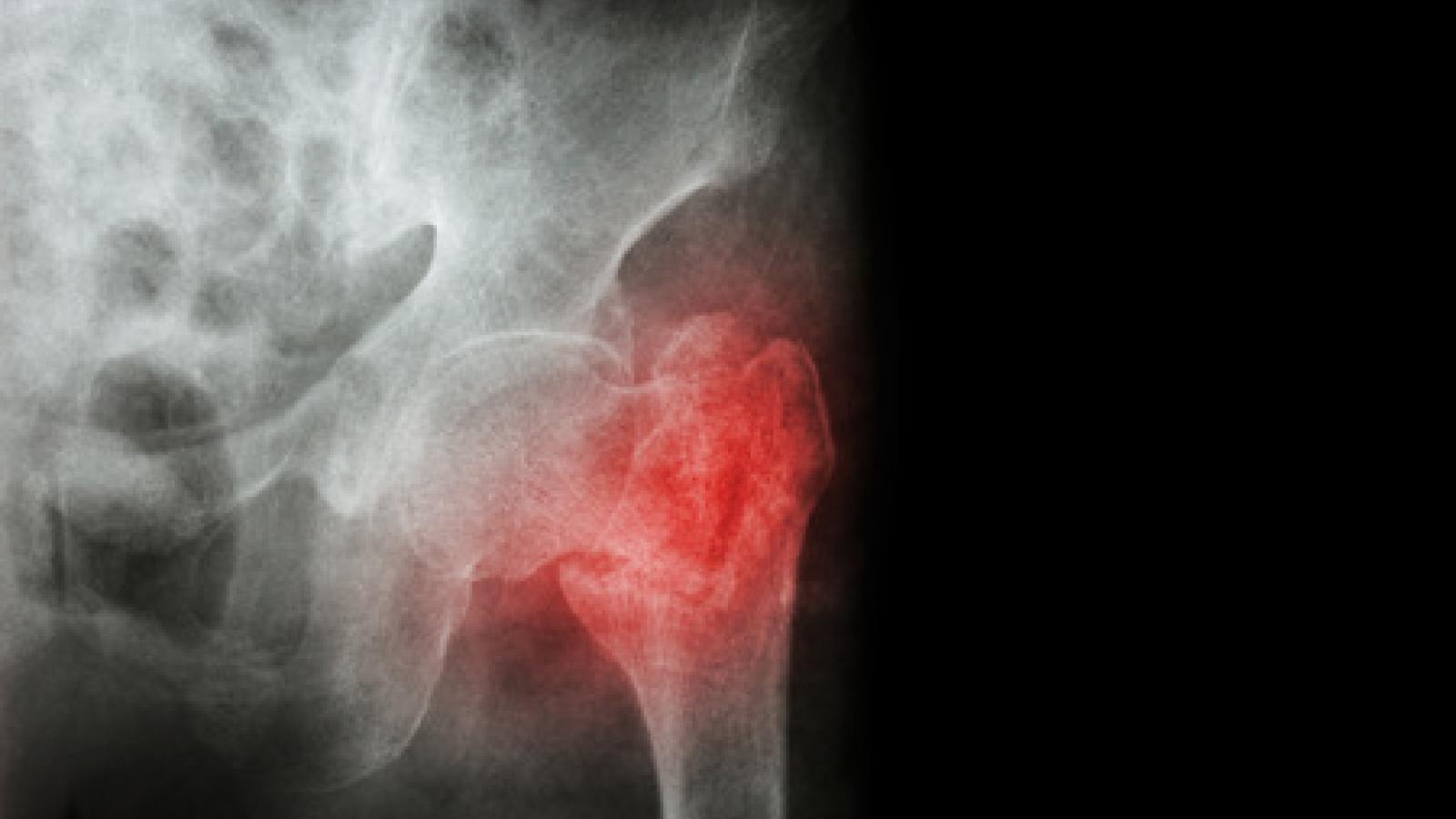
The Journal of the American Geriatric Society has reported that older women receiving bisphosphonate therapy for greater than 10-13 years were more likely to suffer from fractures.

The increasing cost of drug has been the subject of concern and review - by legislators, reporters and patients.
The Financial Times has reviewed the annual price increases for the 91 drugs in Pfizers portfolio, showing an average price increase by 20 percent in the past year.
This includes Viagra and Lyrica.

Dr. Jack Cush reviews highlights from the past week on RheumNow.com.

Reginster and colleagues have reported on the results of the CONCEPT trial showing that osteoarthritis (OA) patients treated 800 mg/day of pharmaceutical-grade chondroitin sulfate (CS) have less VAS pain scores and improved function over 6 months therapy. These results were superior to placebo and equivalent to celecoxib in reducing in symptomatic OA knee pain.
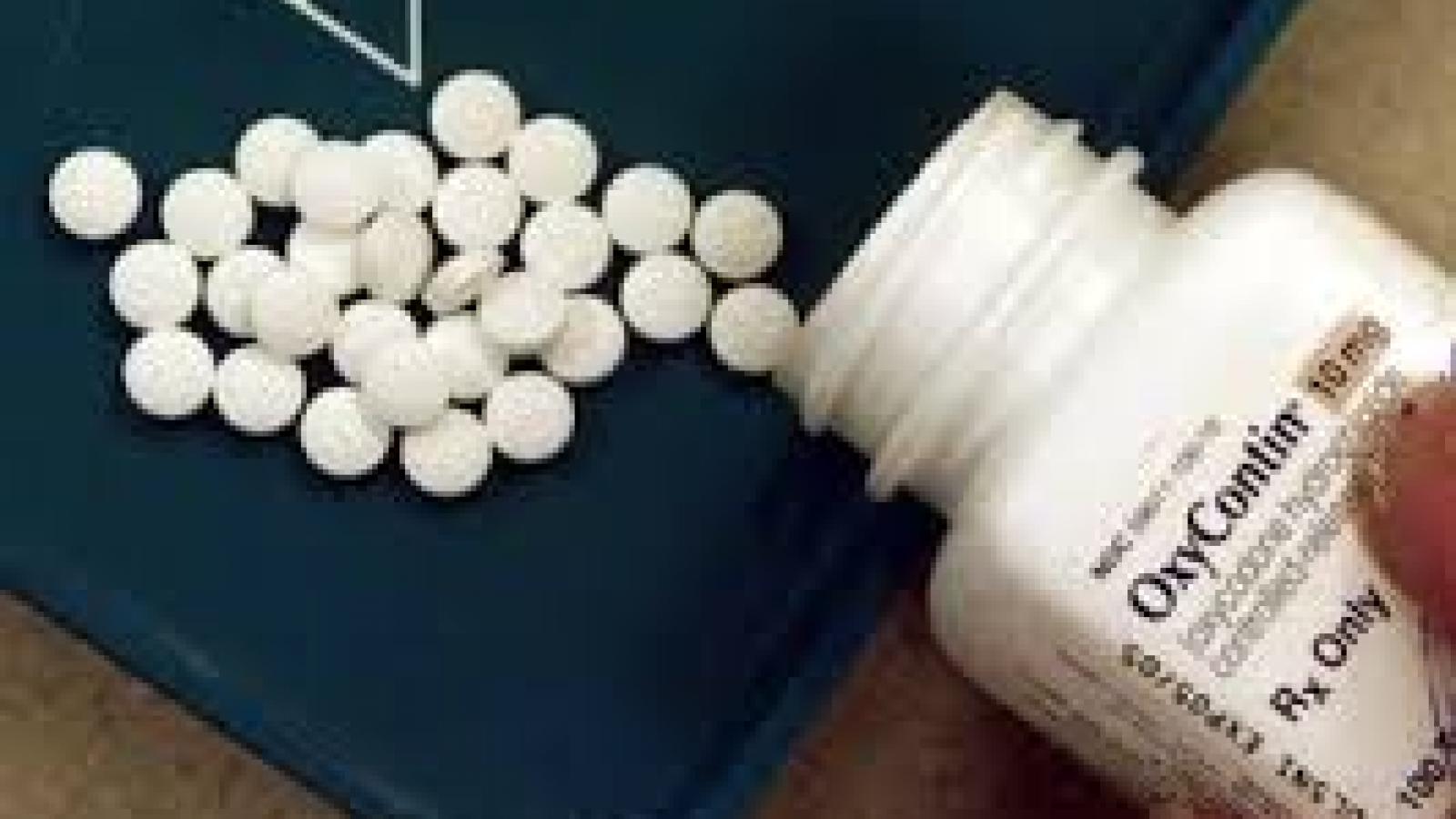
Ohio is suing five major drug manufacturers, accusing them of misrepresenting the risks of prescription opioid painkillers that has resulted in the current opioid epidemic. The Attorney General of Ohio, Mike DeWine, wants to hold big Pharma responsible for a deadly and costly opioid crisis.
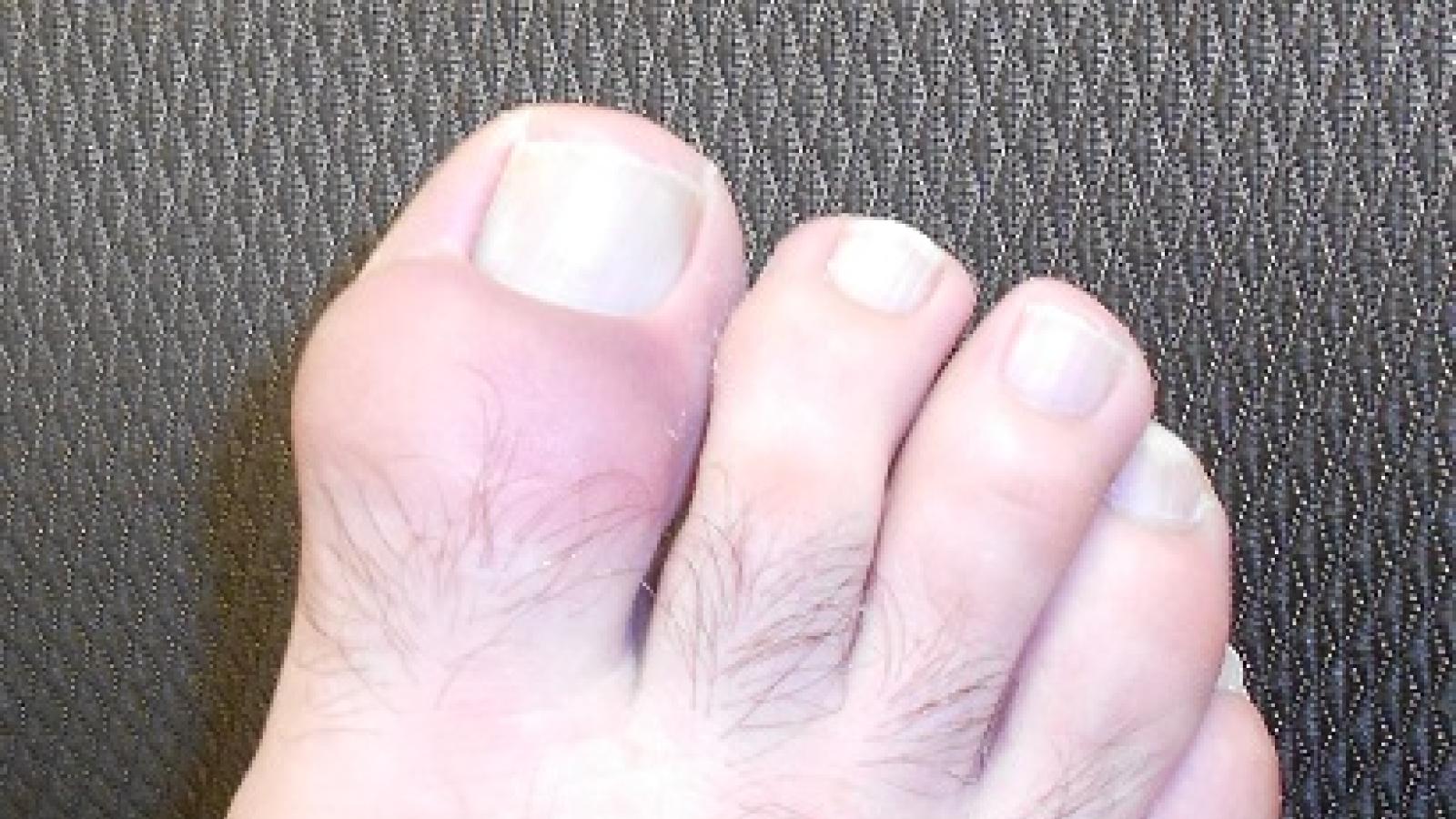
The British Society for Rheumatology/British Health Professionals in Rheumatology first published a guideline for the management of gout in 2007. They have just updated and published their new guideline, largely because of new therapies, an increasing incidence of gout, low penetrance of urate lowering therapies, and the inability to achieve a target serum uric acid level.

Kimme L. Hyrich, MD, PhD, of the University of Manchester in the United Kingdom, and colleagues point out that because of the lack of consensus in diagnostic criteria, "the same child could be classified as 'in clinically inactive disease' or having active disease at the same time point between clinicians or hospitals."
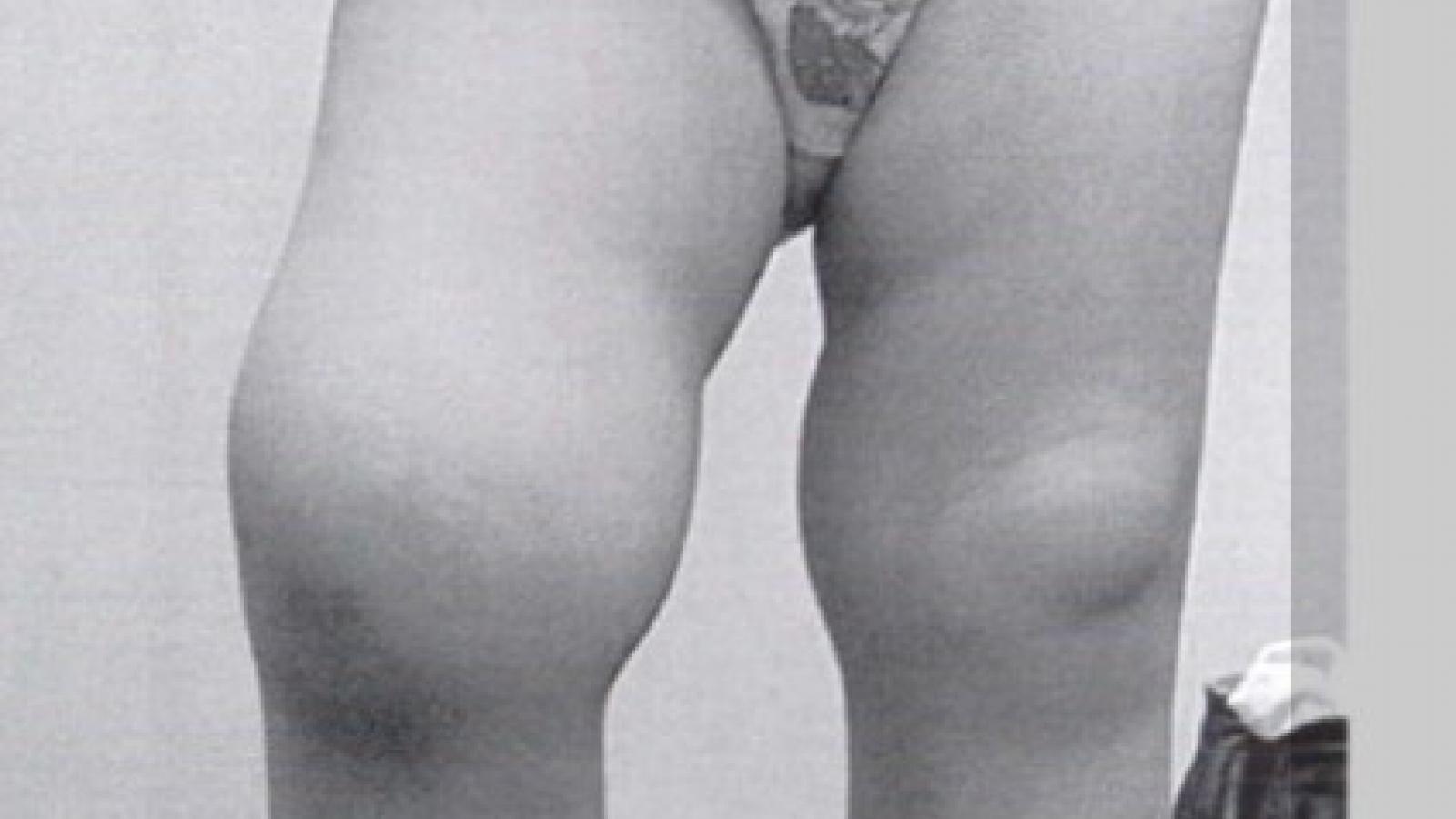
Treatment options for children with active polyarticular juvenile idiopathic arthritis (polyJIA) have lagged behind that seen with adult rheumatoid arthritis. Excluding new biosimilar indications, there are 9 currently approved biologics for adult RA, but only 5 of these have been approved for use in polyarticular JIA (pJIA) - abatacept, tocilizumab, etanercept, infliximab, and adalimumab.

Stepping up to biologic therapy when methotrexate (MTX) monotherapy fails was not shown to be cost effective, compared to first trying triple therapy, in a rheumatoid arthritis (RA) study published in Annals of Internal Medicine.

Dai, Felson and colleagues report in Annals of Rheumatic Disease that high dietary fiber lowers the risk of symptomatic osteoathritis (SxOA), but the radiographic benefits remain unclear. (Citation source http://buff.ly/2rHv9yd)

Dr. Jack Cush Reviews highlights from the past week on RheumNow.com:

About one-third of ankylosing spondylitis patients who cut their etanercept (Enbrel) dose in half maintained responses over 4 years, compared with two-thirds who stayed on standard therapy, researchers reported.
Ixekizumab (Taltz) is currently approved for use in plaque psoriasis and is being developed for use in psoriatic arthritis (PsA). New results show IXE to be highly effective at skin and joint outcomes in PsA patients who have failed a TNF inhibitor (TNFi).

