

Dr. Jack Cush reviews highlights and reports from this week on RheumNow.com, including drug-induced cutaneous lupus, pediatric lupus being worse, new gout drug SEL-12, Gut microbiome and IgA plasmablasts, and the weakly-received new ACP guidelines on gout.

The opioid abuse epidemic is well known and the focus of many regulators and health care personnel. The problem also affects the youngest Americans, according to a recent Washington Post article.

The rising incidence of gout has been directly linked to the obesity epidemic. The influence of obesity on gout was further tested in a cohort study of obese patients undergoing bariatric surgery as part of the Swedish Obese Subjects (SOS) study.

ACP released clinical practice guidelines for the diagnosis and management of gout. Interestingly, these are not always aligned with the 2012 ACR gout guidelines.

Rituximab (RTX) is a monoclonal antibody directed against the CD20 antigen on B cells and when administered causes a marked depletion of CD20+ B cells. Yet the exact mechanism by which B cell directed therapy results in long lasting clinical improvement in rheumatoid arthritis is unknown.
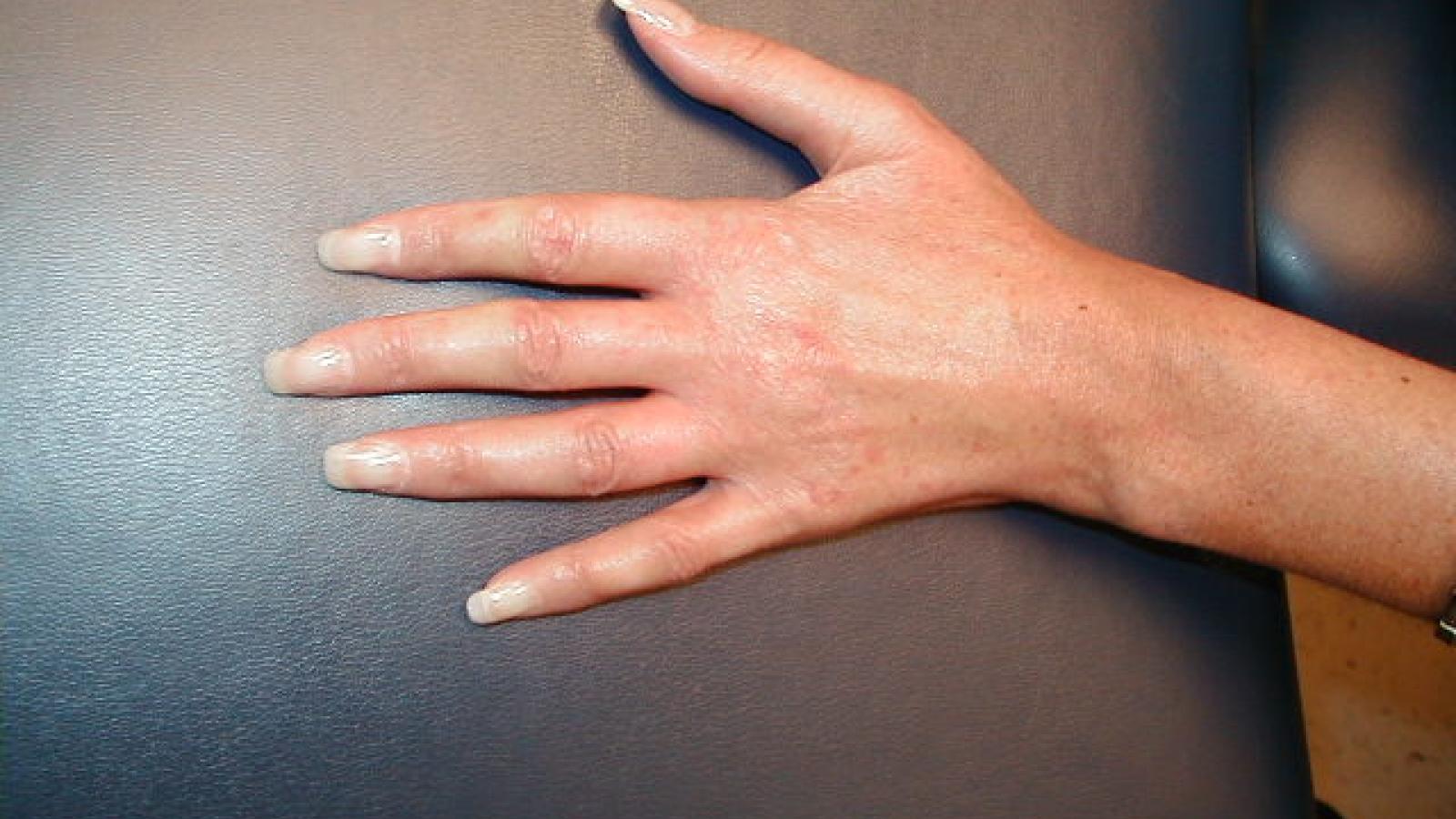
A possible mechanism behind the fibrosis that occurs in scleroderma has now been identified, a mechanism, researchers say, that may one day lead to a treatment for the disease.

Serum antibodies precede the development of clinical rheumatoid arthritis (RAby) by many years, and yet we still have much to learn about this preclinical phase. Of particular interest has been the observation that IgA anti-CCP antibodies are commonly encountered in patients with RA raising questions regarding the relationship of mucosal-associated immunity and breach of tolerance to this critical neoantigen.

The Wall Street Journal has reported an alarming trend in generic drug pricing that affects many, especially the elderly and those with arthrtis.

The MMWR has reported that Crohn’s disease and ulcerative colitis, collectively known as inflammatory bowel disease (IBD), previously (1999) had an estimated 1.8 million (0.9%) prevalence. But as of 2015, an estimated 3.1 million (1.3%) of U.S. adults have been diagnosis with IBD according to the NHIS - a large, nationally representative data source.
Using population based data, researchers found a 10 fold increase prevalence of SSc in first degree relatives. That equates to a relative risk of 81. Genetic factors appear to be important in the risk for scleroderma.
Dr. Jack Cush reviews highlights, news and journal reports from this week at RheumNow.com

This metanalysis from 2013 reports on an important issue for orthopedists and rheumatologists alike. The issue being in those who need bilateral total knee arthroplasty, is it better to do both knees at once or to do one at a time (staged, serial) arthroplasties..
The metanalysis identified 18 articles that included over 65,000 patients.

ClinicalTrials.gov has listed the results of the POSTURE study, a large randomized placebo-controlled trial wherein apremilast was found to yield no benefit (compared to placebo) in treating ankylosing spondylitis (AS) (32.5% vs. 36.6% ASAS20 at week 16) patients. These findings make it unlikely that Celgene will pursue AS as an indication for apremilast.

Researchers from the Toronto Hospital for Sick Children have published in the Journal of Immunology that a polymorphism in the inositol-triphosphate 3-kinase C (ITPKC) (rs28493229) is associated with the pathogenesis of Kawasaki's disease (KD). This polymorphism results in augmented intracellular calcium, that drives NLRP3 expression and production of IL-1β and IL-18.

Fibromyalgia is a well characterized condition with disordered pain processing. Although the clinical constellation and diagnostic clues are well characterized, FM lacks a diagnostic biomarker and most imaging and tissue diagnostics have been unrevealing.

