
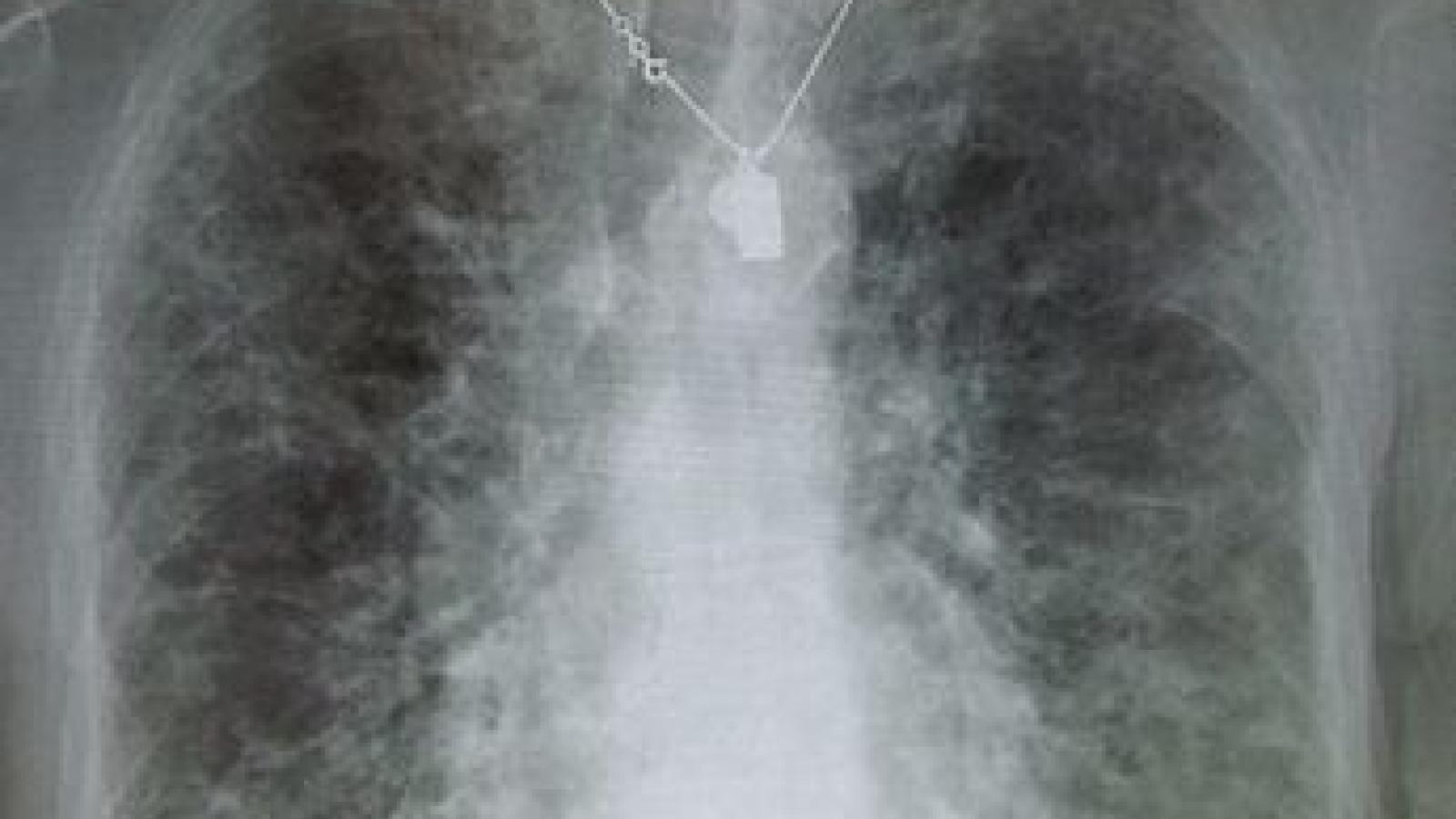
The Wall Street Journal reports that new drug development offers hope for people with idiopathic pulmonary fibrosis, a rare, progressive fibrosing lung disorder that affects nearly 200,000 Americans, mostly middle-aged and older adults.
Two new drugs were recently recommended in clinical guidelines released in July by the American Thoracic Society - Esbriet (pirfenidone) and nintedanib.

In August, RheumNow published 76 tweets covering novel news, research and teaching points gleaned from the medical literature, regulatory reports and internet sources. We had a reach (impressions) of 60,800, with 45 mentions, and 2049 visits to RheumNow.com. Our social media feed is just one of several ways we deliver information to over 2000 rheumatologists and over 2000 followers on Twitter about the wide world of rheumatology.

The effects of prior breastfeeding on bone density of postmenopausal women have been controversial. Several studies suggest that breastfeeding and childbirth lead to maternal calcium loss and a decline in bone mineral density (BMD).

Poor cardiovascular outcomes have been linked to inflammation and rheumatoid arthritis (RA). This includes higher rates of MI and heart failure (HF).
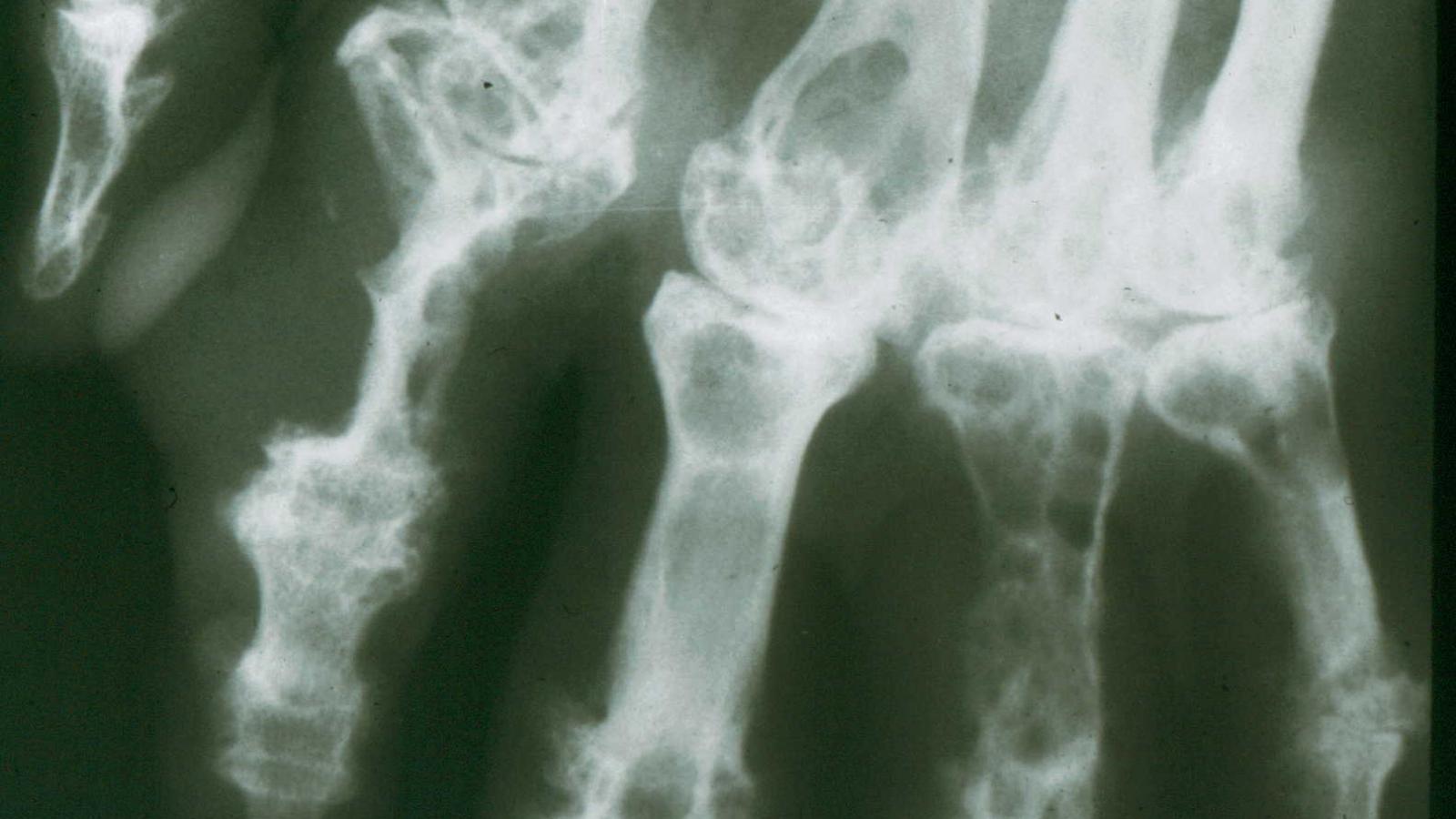
The American College of Rheumatology and the European League against Rheumatism joined forces to finalize classification criteria for gout, a condition that affects 8.3 million Americans.

Yoga and stretching appear to be important forms of exercise for patients with fibromyalgia, but their utility has seldom been explored in patients with rheumatoid or osteoarthritis.

The hallmarks of fibromyalgia -- widespread pain, poor sleep, effort intolerance, fatigue -- are difficult to manage and usually require medication and a multi-modal approach.
A recent Medscape report details the success of Dr. David Sherry, director of the Amplified Pain Program at The Children's Hospital of Philadelphia, and his unique approach to FM in children.

Axial SpA (axSpA) is a chronic inflammatory disease that includes AS and non-radiographic axSpA (nr-axSpA). The debate persists over whether nr-axSpA is a separate diagnostic entity from early stage of AS, The natural evolution of either disease remains undetermined since a proportion of cases do not progress. These issues obscure whether early intervention has an impact in either.
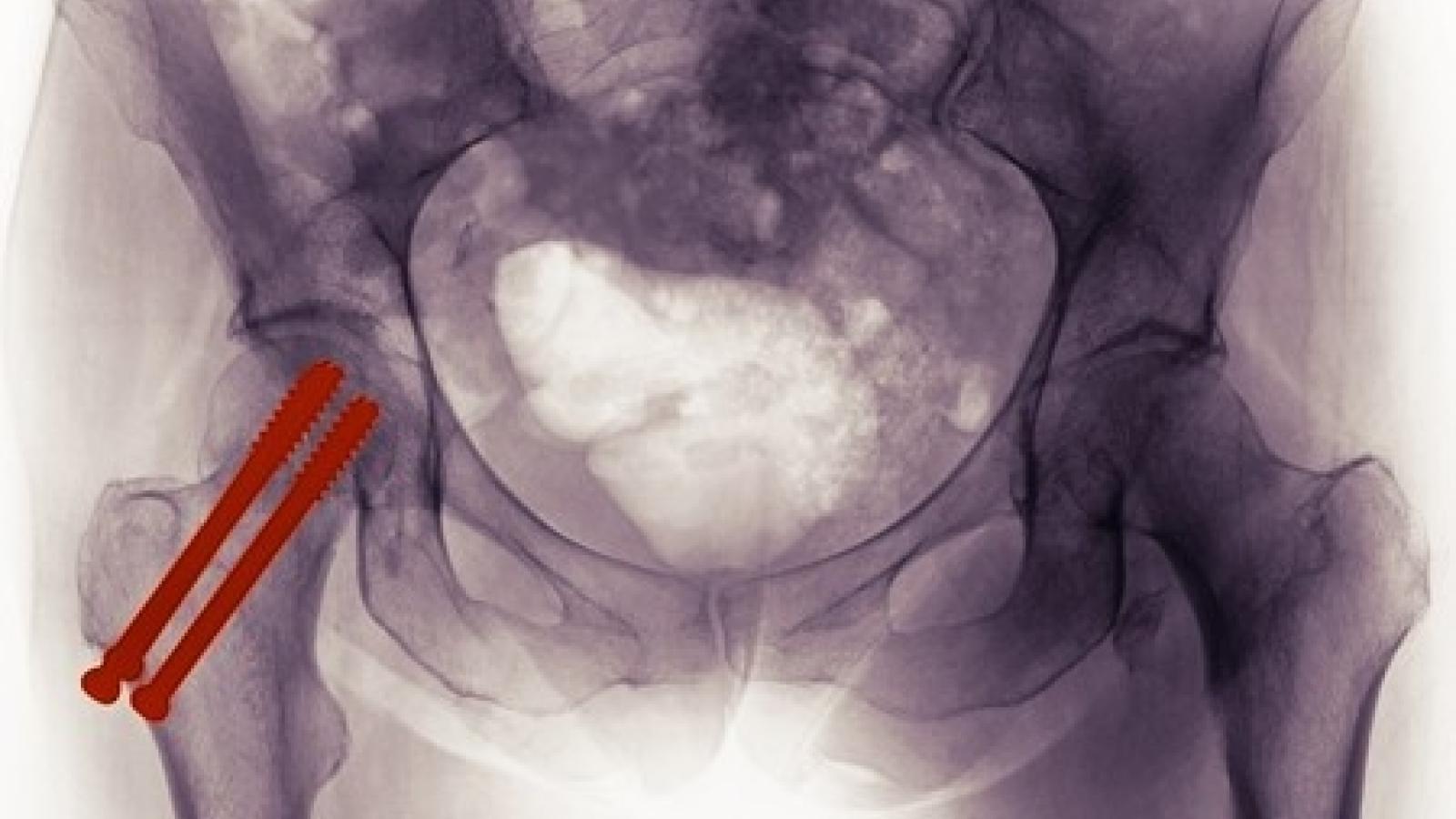
Patients undergoing surgery for a hip fracture appear to have higher death rates than those having elective total hip replacement. A study published in the September 15 issue of JAMA suggests being older and having more medical conditions are factors that may contribute to the higher risk of in-hospital death and major postoperative complications experienced by hip fracture surgery patients, .

The Rheumatology Research Foundation and Rheumatology News report that research projects funded by the National Institutes of Health (NIH) dropped by 52% from 2010 to 2014, while the number funded by private foundations fell by 29% over that period.
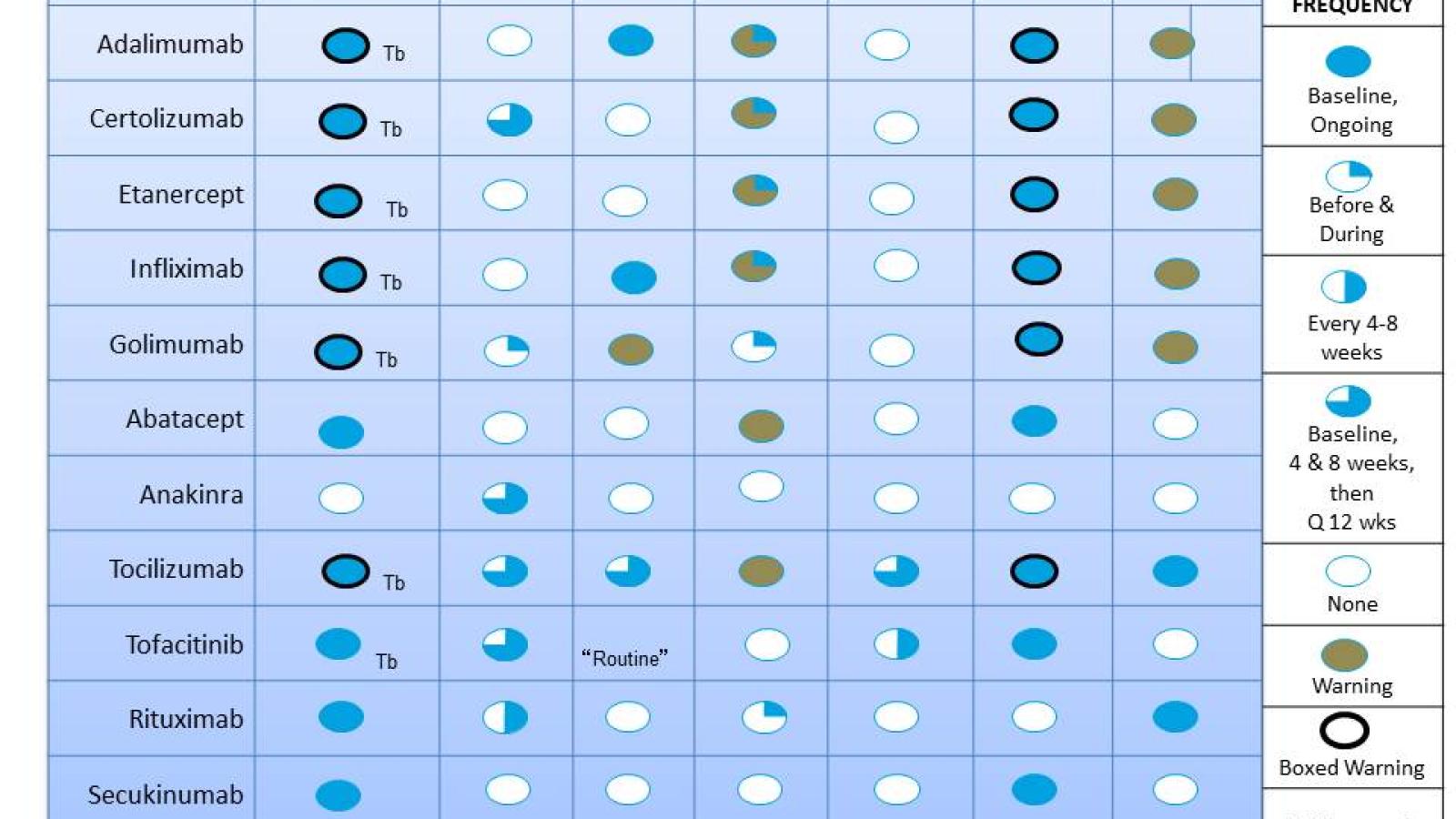
The rheumatology therapeutic landscape has changed almost yearly in the last 15 years, with the introduction of at least 16 biologic or novel agents for the treatment of rheumatoid arthritis (RA), psoriatic arthritis (PsA), ankylosing spondylitis (AS), spondyloarthritis (SpA), juvenile arthritis, cryopyrin associated autoinflammatory disease, lupus and gout.
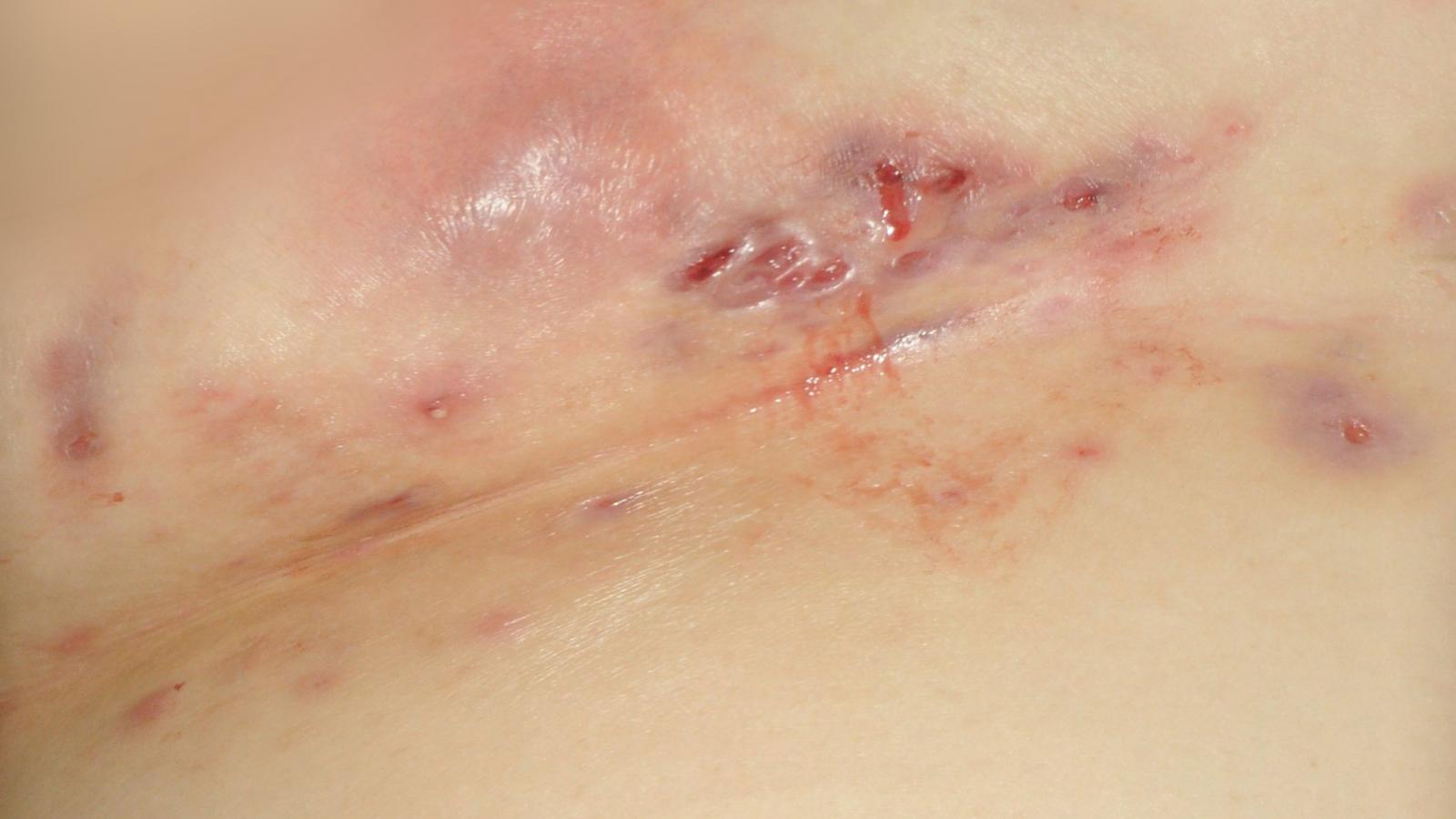
Abbvie announced on 9/10/15 that adalimumab (Humira) has been FDA approved for the treatment of moderate to severe hidradenitis suppurativa (HS) and is now the first and only FDA-approved therapy for adults with HS.
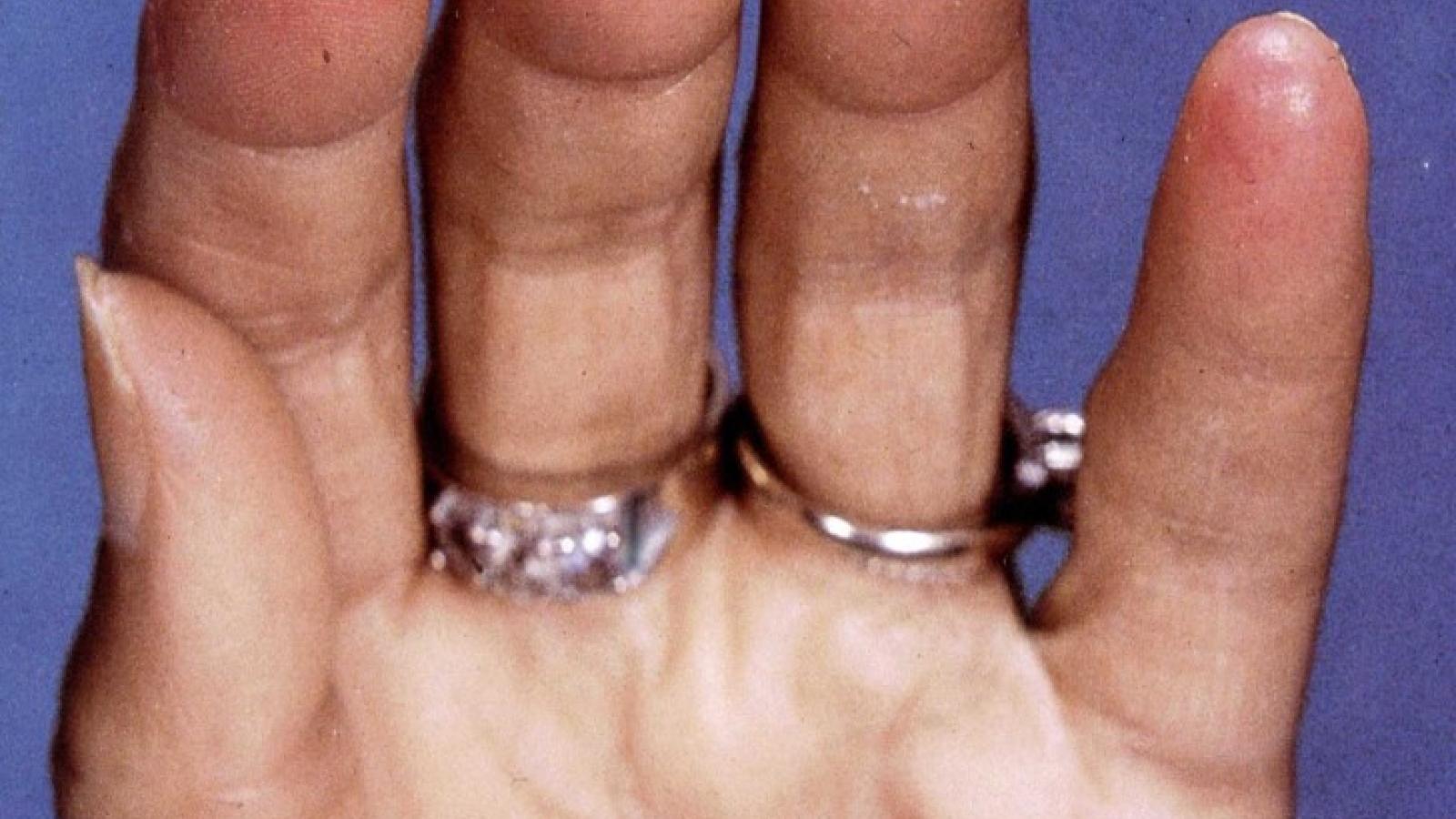
The etiology of systemic sclerosis (SSc) remains unclear, but appears to involve complex pathogenic interactions between the immune system, the vasculature and fibrotic processes. Better understanding of such interactions could lead to discovery of new therapeutic approaches, and requires appropriate animal models.
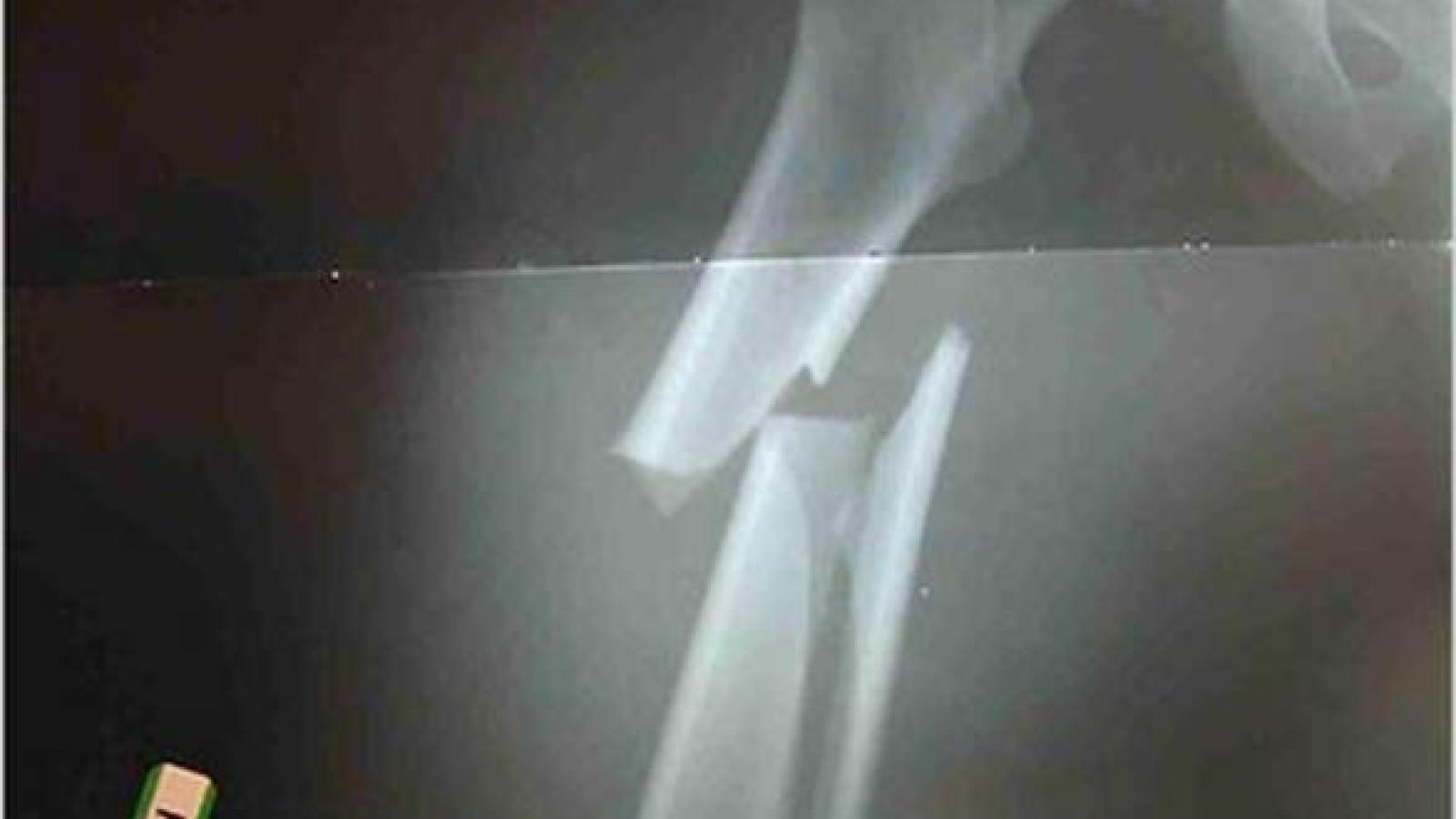
The FDA has strengthened its warnings for the type 2 diabetes drug canagliflozin (Invokana, Invokamet) and the apparent increased risk of bone fractures, and added new information about decreased bone mineral density.
14-3-3η (eta) is a new test that may be useful in diagnosing patients with early rheumatoid arthritis. The test is 77% sensitive and 93% specific for RA and developers have found that antibodies against 14-3-3η may correlate with drug responsiveness.

