

Rheumatoid arthritis is a common disease affecting an estimated 17 million people worldwide. The disease is caused by immune cells attacking the joints and can result in pain, swelling, and damage to the cartilage and bone. People with rheumatoid arthritis often develop osteoporosis, a more serious condition, as a result of the bone damage caused by immune cells and as a side effect of certain medications.

A Korean population based study found that people infected with COVID-19, especially severe COVID-19, had an increased risk of autoimmune and autoinflammatory connective tissue disorders.While several observational studies have suggested an association between COVID-19 and future rheumatic disorders, these are often limited by size and follow-up duration.

The National Academy of Medicine and New England Journal of Medicine have published a comprehensive definition of "long COVID".While COVID-19 has infected over 7 million worldwide, it is estimated that 7% of adults (and >1% of children) or 15 to 20 million Americans have developed long COVID, a chronic condition with systemic and often disabling symptoms.
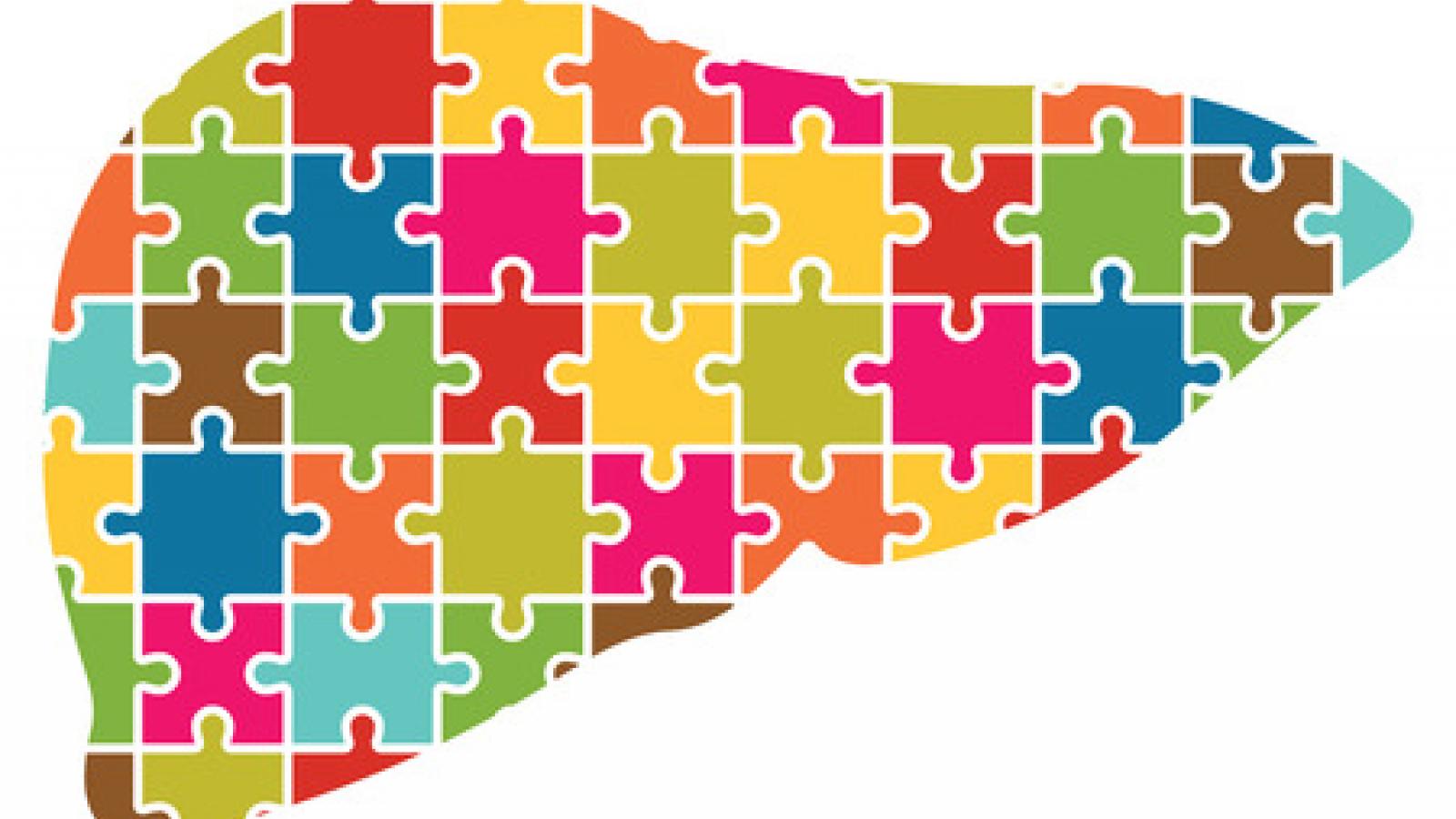
Autoimmune hepatitis (AIH) is a chronic, progressive liver disease caused by immune system dysregulation that targets the liver. If untreated, AIH can lead to severe complications, including cirrhosis and liver failure. An overview of AIH and treatment approaches was recently published in the Journal of Clinical and Translational Hepatology.

A EULAR taskforce has evaluated the effect of lifestyle behaviors in rheumatic and musculoskeletal diseases (RMDs) and concluded that there is moderate evidence for a small benefit for certain dietary components, but overall, high-level evidence regarding dietary exposures on outcomes in RMDs is lacking.

A recent commentary published in The Lancet journal highlights the critical importance of skeletal muscle mass in the context of medically induced weight loss, particularly with the widespread use of GLP-1 receptor agonists.

How would you manage a patient with Overlap (anti-synthetase) syndrome, ILD, polyarthritis and myositis?

Scientists have long suspected the keto diet might be able to calm an overactive immune system and help some people with diseases like multiple sclerosis.Now, they have reason to believe it could be true.Scientists at UC San Francisco have discovered that the diet makes the gut and its microbes produce two factors that attenuated symptoms of MS in mice.

A randomized trial of 140 adults with chronic low back pain (CLBP) demonstrated that virtual yoga instruction resulted in significant improvements in CLBP patients compared to the wait-list control group.
Dr. Jack Cush reviews the news and journal reports from the past week on RheumNow.com.
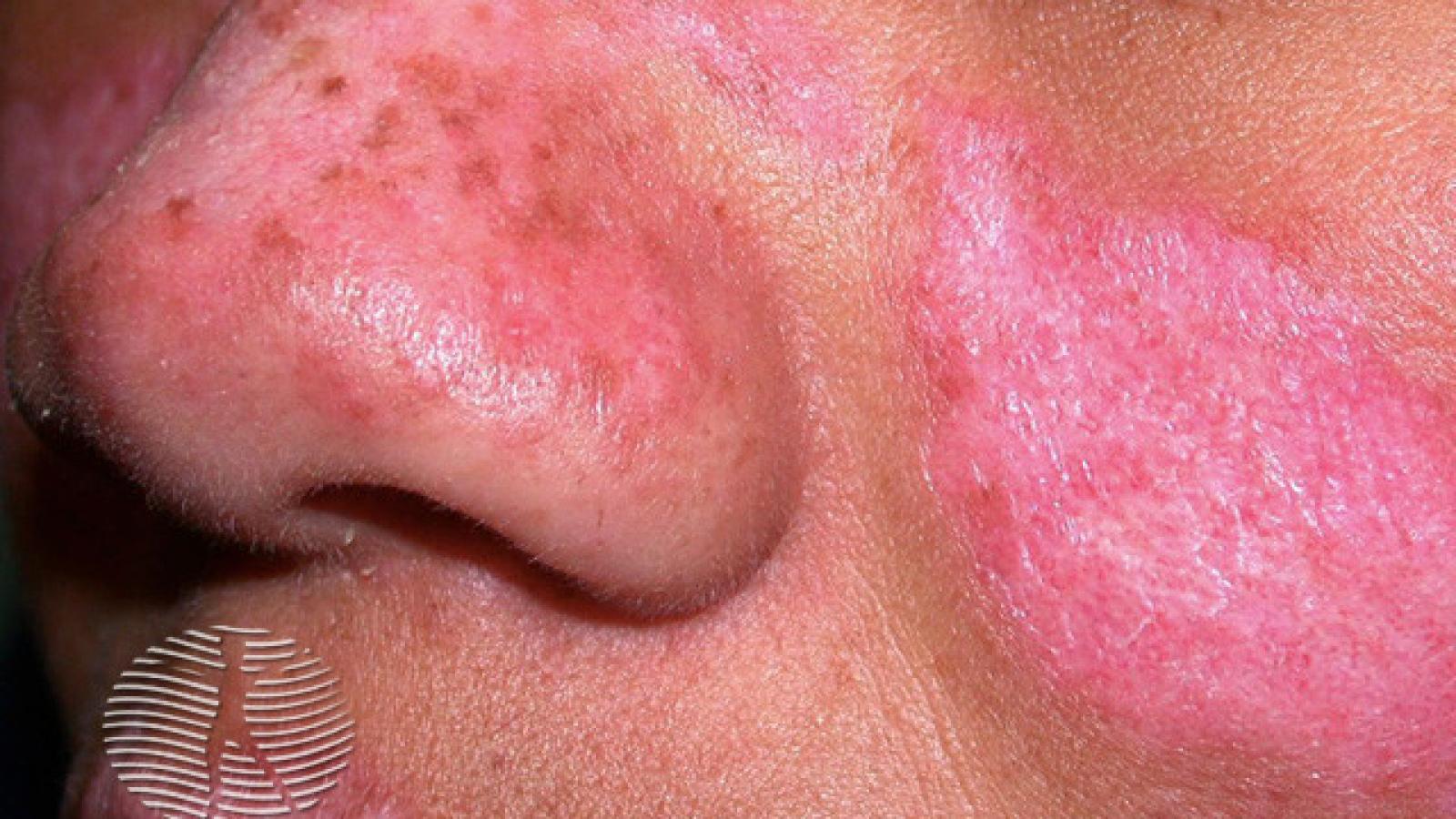
Iberdomide, a cereblon modulator that promotes degradation of transcription factors Ikaros and Aiolos, has been shown in a phase 2 trial to improve outcomes in subacute and chronic cutaneous lupus erythematosus (CLE).
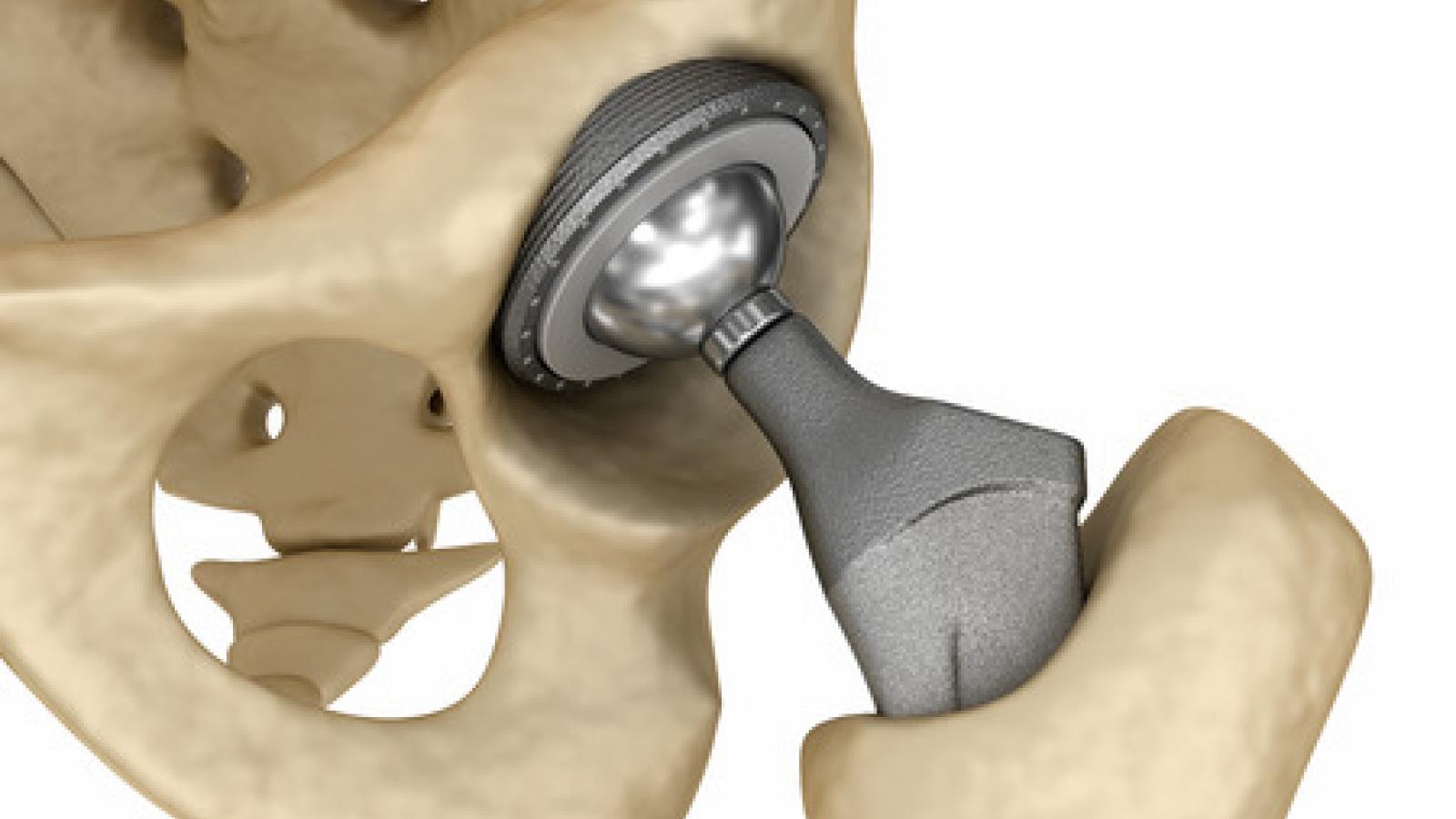
The NEJM reports what should be obvious to rheumatologists: that older adults with severe hip osteoarthritis should opt for total hip replacement (THR) over conservative exercise measures as THR yields a clinically important improvement in pain and function.

Semaglutide (Wegovy) reduced pain and improved physical function in patients with obesity and knee osteoarthritis, a randomized trial showed.

Medscape has published a survey overview of US Medical Student impressions and experiences, satisfaction, what they think of their education and how prepared are they for the USMLE (boards) and residency.
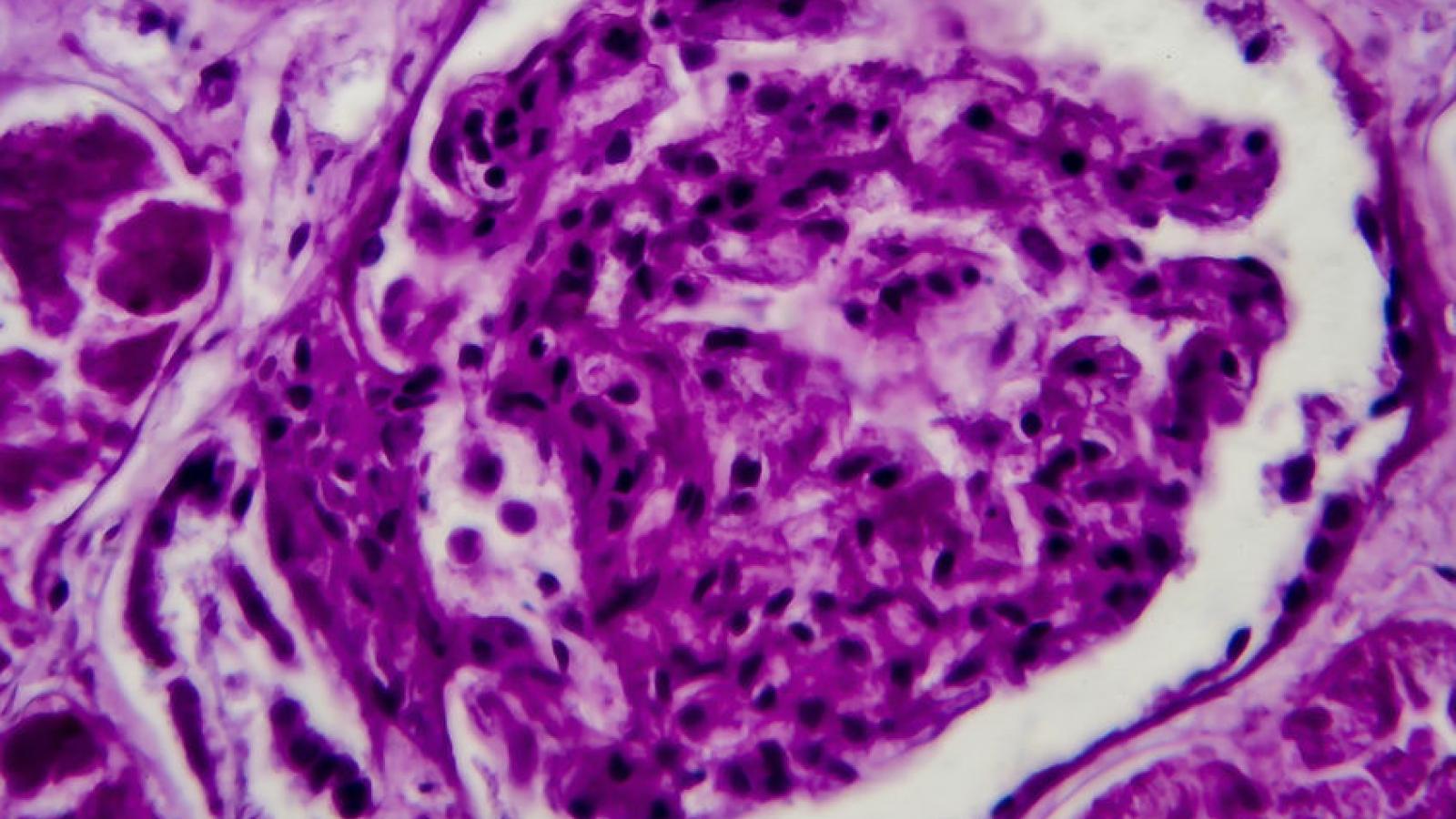
Systemic lupus erythematosus (SLE) outcomes were assessed based on whether they received sodium-glucose co-transporter 2 inhibitors (SGLT2i), in the setting of comorbid type 2 diabetes (T2D).

