

Last week we reported on a Korean study showing a 66% elevated mortality risk in RA patients (n=38,487) with depression. This week, a new report shows depression in RA increases the mortality risk by more than 5 fold.
Medscape has published an informative review of leflunomide, drawn from Dr. Eric Ruderman’s recent lecture on the subject at the February RWCS meeting in Maui.
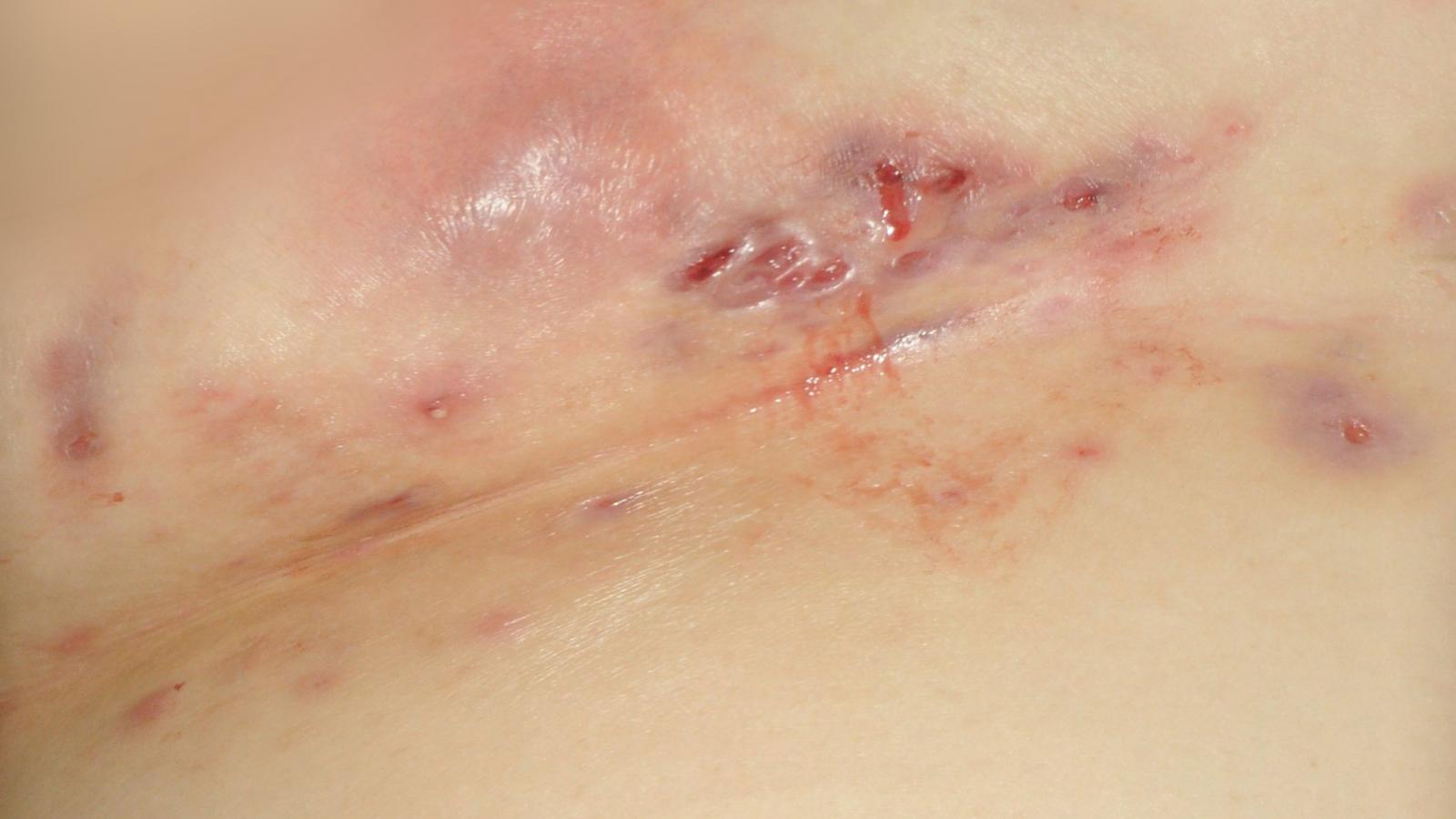
Hidradenitis suppurativa (HS) is a suppurative inflammatory skin disorder that is considered to be autoinflammatory by many. HS includes a specturm of disorders, linked by suppurative (or psoriatic) skin disease and potentially genetics.
JAMA has reviewed the "2022 EULAR Recommendations for the Management of Rheumatoid Arthritis With Synthetic and Biological Disease-Modifying Antirheumatic Drugs".
A follow-up analysis of a randomized clinical trial found that the use of calcium and vitamin D supplements among postmenopausal women was associated with decreased risk for cancer mortality, but increased risk for cardiovascular disease (CVD) mortality. The analysis is published in Annals of Internal Medicine.

A systematic review of pharmacological treatments for adult-onset Still disease (AOSD) supports the efficacy of tocilizumab (TCZ), anakinra (ANK), and canakinumab (CNK).

Dr. Jack Cush reviews the news, journal reports and regulatory approvals from the past week.
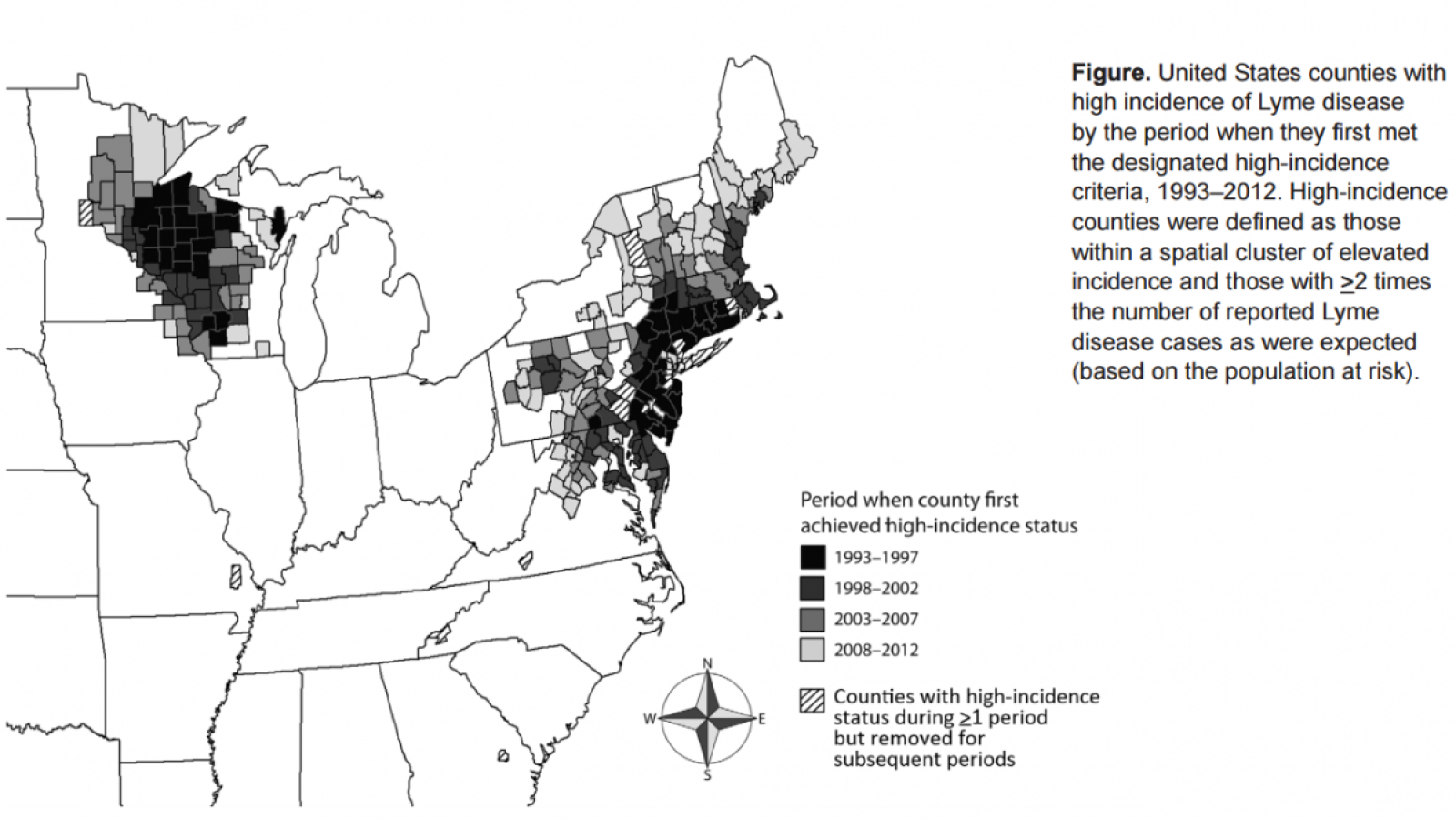
The CDC has updated its Lyme disease surveillance report based on a new case definition. Compared to 2017–2019, the number of cases in 2022 rose by 69%.

A Korean nationwide cohort study found that both seropositive and seronegative rheumatoid arthritis (RA) patients have a significantly higher risk of depression.
Depression is one of the most common comorbidities in rheumatic disease patients and it imparts a significant morbidity and mortality risk for those affected.

While it is believed that autoimmunity follows autoantibody positivity, a Danish study shows the incidence of polyautoimmunity to be similar in rheumatoid arthritis (RA) patients who are either anticyclic citrullinated peptide antibody (ACPA)–positive or ACPA–negative.
Data was drawn from RA adults in the DANBIO rheumatology register. Polyautoimmunity included 21 nonrheumatic autoimmune diseases.

According to the National Health Interview Survey (NHIS), in 2022, the prevalence of diagnosed arthritis in adults was 18.9% (women 21.5%, more than men 16.1%). These numbers are down since the CDC's MMWR report of 2019–2021, where is was estimated 21.2% of U.S. adults (53.2 million) had "diagnosed arthritis".
Trends show:

Data from the Global Burden of Diseases Study 2019, suggests that early-onset osteoarthritis (OA) (before age 55 yrs) is an emerging health issue that parallels societal problems of obesity.

Having patients waiting for knee arthroplasty undergo a preoperative program of weight loss, exercise, and other interventions gave them modestly improved pain, function, and quality of life, a small randomized trial showed.
In patients with clinically stable systemic lupus erythematosus (SLE) and lupus nephritis, the withdrawal of mycophenolate mofetil was not significantly inferior to mycophenolate maintenance, but MMF withdrawal had numerically more reactivations, while MMF maintenance had more infections.Because of its teratogenicity, cost and side effects it is unknown if disease quiescence is reason enough to withdraw mycophenolate.
Annals of Internal Medicine reports a large, binational study finding SARS-CoV-2 infection was associated with an increased risk for autoimmune inflammatory rheumatic diseases (AIRDs) that extends up to 12 months after infection. Moreover, vaccination showed some protection against AIRDs, depending on severity of infection.

