

‘Tis the Season for Vaccination Save

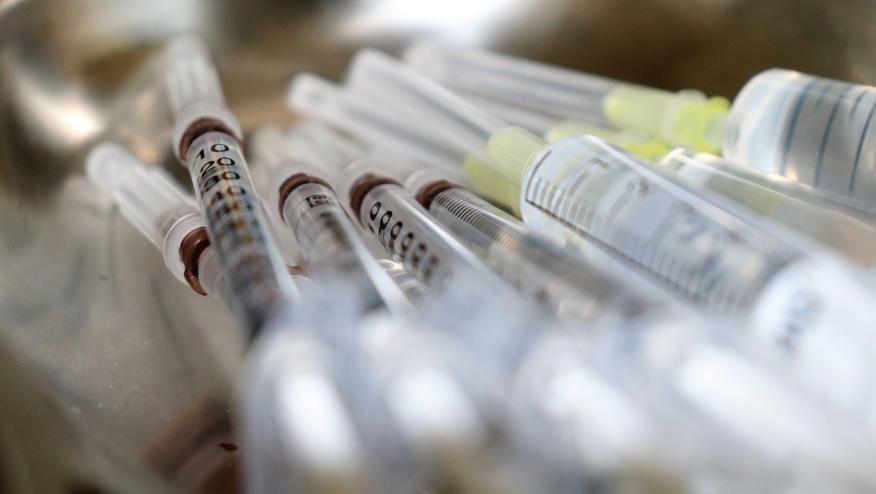
As the leaves start changing color and spooky decorations populate neighborhood doorsteps, another autumnal tradition begins: vaccination counseling. Fall offers a golden opportunity to protect our patients before respiratory viruses fill our waiting rooms. In patients with rheumatologic diseases, vaccinations can be confusing and worrisome. For clinicians with limited bandwidth, these conversations can feel like added responsibilities in an already overfull schedule. Vaccination is integral to rheumatologic care and deserve the same thoughtful attention to disease control.
Vaccination is essential for all rheumatologic patients, but particularly for patients on glucocorticoids and immunosuppression and face increased risk from infectious diseases. Infections can precipitate flares of autoimmune disease, making infection prevention an important component of comprehensive disease management. Patients with frailty, interstitial lung disease or other chronic diseases are also more susceptible to poor outcomes from respiratory infections. These patients may also have attenuated vaccine responses, limiting the protection derived from vaccination.
During the fall season, attention often centers on seasonal influenza and COVID-19 shots. RSV and pneumococcal infections also increase in the winter months and should be considered in accordance to age, risk factors, and current recommendations. The annual vaccination review also provides an opportunity to assess the full immunization history including recombinant zoster, hepatitis B, HPV and Tdap. Patients may need reassurance that the routinely recommended vaccines are non-live and can be administered during immunosuppressive treatment. Live vaccines, such as MMR and yellow fever, require a different approach because of risk of vaccine-associated infection in immunocompromised patients.
The timing of vaccination relative to immunosuppressive therapy requires nuance and specificity to the patient's case. In general, vaccination is best performed whenever possible prior to initiation of immunosuppressive therapy. B-cell depletors like rituximab can substantially blunt humoral vaccine response, making vaccination timing of paramount importance. Randomized trials by Park and colleagues demonstrated improved influenza vaccine immunogenicity when methotrexate was temporarily withheld around vaccination (http://pubmed.ncbi.nlm.nih.gov/28468794/ ; https://pmc.ncbi.nlm.nih.gov/articles/PMC5965360/ ). A subsequent randomized trial demonstrated that withholding methotrexate for one week after vaccination was noninferior to withholding for two weeks (https://pmc.ncbi.nlm.nih.gov/articles/PMC10107245/ ). The ACR guideline conditionally recommends holding methotrexate for two weeks after influenza vaccination when disease activity allows, though this study supports considering a shorter interruption in select patients. The recent COVER study, discussed by Dr. Cush on RheumNow (https://rheumnow.com/news/dont-hold-biologic-or-jak-covid-19-vaccination ), found no significant improvement in 6 week humoral immunogenicity after temporarily withholding selected biologic or JAK inhibitor therapies around a supplemental COVID vaccination dose. Treatment interruption was associated with a significantly increased risk of flare (odds ratio 2.27). These findings illustrate the tension between optimizing vaccine responses and maintaining disease control. In patients with moderate to high disease activity, unnecessary treatment interruption should generally be avoided due to flare risk. For patients with well-controlled disease, I consider withholding methotrexate for one to two weeks after the influenza vaccine. Routine interruption of TNF inhibitors around non-live vaccination is generally unnecessary.
Vaccination conversations take time, particularly when patients voice concerns, misconceptions or uncertainty around safety and efficacy. Providing guideline-driven evidence and patient-friendly information can help ease the conversation. The COVID-19 Global Rheumatology Alliance (https://rheum-covid.org/) and 2022 Guideline for Vaccinations in Patients With Rheumatic and Musculoskeletal Diseases (https://pubmed.ncbi.nlm.nih.gov/36597813/ ) are useful resources for clinicians. These conversations should begin at the first patient encounter, and may require longitudinal follow-up to address concerns and ensure completion of all recommended vaccinations.
As pumpkin spice returns to our coffee cups and respiratory viruses return to our waiting rooms, vaccination deserves a place on every rheumatologist’s seasonal agenda. But infection prevention should never be just a seasonal fad; it is a year-round effort to preserve health and disease control.
Related Content






If you are a health practitioner, you may Login/Register to comment.
Due to the nature of these comment forums, only health practitioners are allowed to comment at this time.