Problems with Biologic Drug Storage
Is your patient’s refrigerator the problem with the inefficacy of biologic therapies? Studies show most patients don't store their biologics correctly, which may be a source of limited drug efficacy.

Search for Terms or Answers
Is your patient’s refrigerator the problem with the inefficacy of biologic therapies? Studies show most patients don't store their biologics correctly, which may be a source of limited drug efficacy.
By retrospectively reviewing electronic health record (EHR) data, Kreps et al found that rheumatoid arthritis (RA) patients who lost >5 kg of weight were three times more likely to demonstrate improvement in disease activity.
The RheumNow Week in Review discusses the past week's news, journal articles and highlights from RheumNow.com. This week's report covers the rising cost of adalimumab, infections in myositis, phyisician burnout, biologics in Still's disease and weight loss benefits in RA.
A report from Annals of Rheumatic Diseases suggests that osteoarthritis (OA) may be two distinct diseases based on genetic studies of articular cartilage. (Citation source: https://buff.ly/2mNtUsL).
In 2016 the WHO set out to eliminate HBV infection as a public health threat by 2030. So far, we are far from this goal as vaccine implementation has been suboptimal in a number of important patient populations, including patients with rheumatologic diseases, as well as other immunocompromising diseases like HIV.
The 2018 Medscape Physician Burnout and Depression report shows that 42% of physician respondents report "burnout" and up to 15% experience some sort of depression. In a survey of 15,543 doctors from 29 specialties, they found highest burnout rates in critical care and neurologists (48%), family medicine (47%), ob/gyns and internists (46%). Lowest rates were seen in pathology and dermatology (32%), and plastic surgery (23%).
What did rheumatologists report?
Since 2000, the German Biologics register (BiKeR) has prospectively enrolled children with juvenile idiopathic arthritis to assess outcomes with biologic therapies. A new report evaluates the efficacy and safety of etanercept (ETA), tocilizumab (TOC) and the interleukin-1 inhibitors (anakin
A study from Nature Neuroscience shows that a high salt diet may mediate neurovascular disease by altering microbiome and the expansion of TH17 cells in the small intestine, thereby increasing plasma interleukin-17 (IL-17) and its subsequent effects on endothelium in the brain.
JAMA reports the results of a 5 year Finnish study comparing the results of laparoscopic sleeve gastrectomy vs Roux-en-Y gastric bypass and shows that gastric bypass yielded greater weight loss at 5 years, the difference was not statistically significant, in patients with morbid obesity.
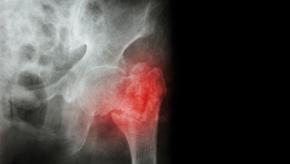
Reuters reports that the incidence of hip fractures in older women in the U.S. is rising after more than a decade of decline, according to a large new study of Medicare recipients.
The most common cerebrovascular events (CVEs) seen among a large cohort of patients with systemic lupus erythematosus (SLE) were stroke and transient ischemia, and the majority of these events were attributable to the disease itself, a multinational study determined.
Dr. Jack Cush reviews a dozen highlights from the past week on RheumNow.com.
The Journal of Clinical Investigation reports results of a study showing that increases in CD21lo B cells and plasmablasts following that combination checkpoint blockade preceded the onset of immune-related adverse events.
While some have postulated that IRAEs are thought to be T cell mediated, B cells have also been implicated. Investigators studied 39 melanoma patients undergoing treatment with either anti-CTLA4 or anti-PD1, or combination CCB therapy. They analyzed changes in circulating B cells before and after the first cycle of therapy of immune checkpoint blockade (23 received combination therapy, 8 received anti-CTLA4, and 8 received anti-PD1).
PNAS reports use of ibuprofen by males may result in antiandrogen effects that may contribute to adult male reproductive problems.
The latest issue of CDC’s MMWR reports that exercise counseling among arthritis patients increased from 52% to 61% (2002 to 2014); hence ~40% do not receive health care provider counseling, suggesting the need for provider education and training in exercise counseling, and improved electroni
By downloading this material, I acknowledge that it may be used only for personal use and personal education and that I will accredit RheumNow.com as the source and owner of this material. Commercial use or mass reproduction of this material without permission from RheumNow (info@rheumnow.com) is prohibited.