


Intra-Articular Injections for Knee OA: Options, Evidence, and no Clear Winner Save

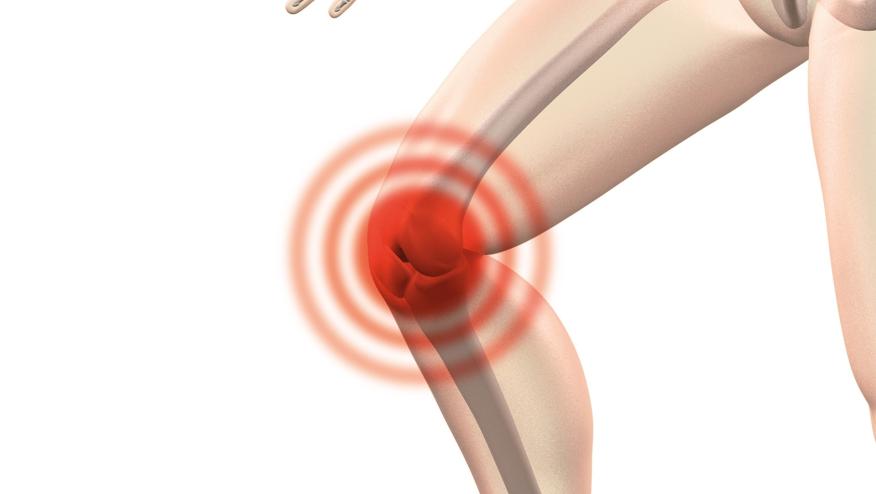
Consider a 72-year-old with bilateral knee osteoarthritis (OA) whose pain now limits walking, stairs and sleep. Exercise and weight loss are underway, oral NSAIDs are a concern given comorbidities, and arthroplasty is either not the right fit or not within reach. For patients like this, an intra-articular (IA) injection is often the next step.
OA is the most common form of arthritis, with the knee the most frequent site, and cases are projected to rise sharply as populations age. In the US, more than 30 million adults are affected. Beyond pain, the burden is functional decline, loss of independence and disability. Joint replacement is highly effective for late-stage disease, but it may be out of reach or inappropriate for some.
At APLAR 2026 in Seoul, the OA special interest group offered a whirlwind overview of IA injectables from Dr. Gun-il Im (Dongguk University, Korea). The products fall into three tiers: symptom-modifying, biologic/regenerative and structure-oriented. The pipeline is encouraging, but the evidence is uneven and often thin.
Dr. Im opened by noting that injection carries a strong contextual effect, and saline arms often improve substantially. The efficacy estimate is the between-group difference, not pre/post change. Minimal clinically important difference (MCID), bias, dosing, adverse events and follow-up matter as much as the p value.
Symptom-modifying agents. IA corticosteroids (triamcinolone, methylprednisolone, betamethasone) offer short-term pain relief, particularly with an inflammatory flare. They are not disease-modifying, and side effects include post-injection flare, transient hyperglycemia and infection, with timing before arthroplasty a consideration. Guidelines are mostly supportive, and the American College of Rheumatology/Arthritis Foundation (ACR/AF) strongly recommends them for knee OA. Extended-release triamcinolone microspheres (FX006) aim to prolong joint exposure and limit systemic levels.
Hyaluronic acid (HA) is a heterogeneous family, which complicates pooled findings. A BMJ 2022 meta-analysis of 169 trials found placebo-controlled pain differences below the MCID and a higher serious adverse event risk (relative risk 1.49). Major guidelines are mixed or negative, and ACR/AF conditionally recommends against it.
Newer options have limited data.
Polynucleotides and polydeoxyribonucleotide (PDRN) looked better than HA in small, heterogeneous studies, and standardized blinded head-to-head trials are needed. A polyacrylamide hydrogel was noninferior to HA on Western Ontario and McMaster Universities Osteoarthritis Index (WOMAC) pain at 26 and 52 weeks (n=239), but its 5-year extension had substantial attrition and selection bias. Collagen was noninferior to HA in small RCTs. Two pain-pathway agents reached trials. A tropomyosin receptor kinase A (TrkA) inhibitor reduced WOMAC pain over 12 to 26 weeks in phase 2, with rapidly progressive OA a concern. A transient receptor potential vanilloid 1 (TRPV1) agonist (CNTX-4975) gave sustained relief through 24 weeks in phase 2b, with early flare pain, and phase 3 is reported complete.
Biologic and regenerative products. These are mostly autologous, minimally manipulated and not pre-reviewed by regulators, and Dr. Im raised concern about aggressive marketing and overuse. In a meta-analysis of 13 post-2021 RCTs by Dr. Im (submitted), platelet-rich plasma (PRP) showed longer-term advantages over HA or corticosteroid, with leukocyte-poor preparations outperforming leukocyte-rich. The sham-controlled RESTORE trial (JAMA 2021; n=288) was the counterweight: at 12 months, pain on an 11-point scale fell 2.1 points with PRP vs 1.8 with saline (adjusted difference −0.4, 95% CI −0.9 to 0.2) and cartilage loss was similar. Bone marrow aspirate concentrate (10 RCTs, 6 cohorts) lacked evidence of unequivocal efficacy, and structural benefit was rarely reported. Stromal vascular fraction (7 RCTs, 4 cohorts) needs semi-laboratory processing. Among 16 RCTs of culture-expanded mesenchymal stem/stromal cells (MSCs), 13 favored MSCs over control, but no dose is established and structural improvement was not shown.
Structure-oriented agents. Sprifermin (recombinant fibroblast growth factor 18) increased cartilage thickness in a dose-dependent way, but overall WOMAC symptoms did not differ. A 5-year extension retained a +0.05 mm joint space width difference (95% CI 0.00 to 0.10). Lorecivivint (a Wnt pathway modulator) missed its phase 3 primary endpoints, though Kellgren-Lawrence grade 2 knees showed symptomatic and, in extension, structural signals. LNA043 failed in phase 2b, and TPX-100 is in phase 2b. Gene therapies, including IL-1Ra and IL-10 constructs, are in phase I to III.
In summary, no agent clearly outperforms corticosteroid or HA for symptoms, structural benefit remains unproven, and not all agents are widely available. The progress is welcome, but for now corticosteroid injections remain the accessible, guideline-supported option.
Related Content







If you are a health practitioner, you may Login/Register to comment.
Due to the nature of these comment forums, only health practitioners are allowed to comment at this time.