


Articles By Jack Cush, MD

Weekly Semaglutide for Weight Loss in Adults
NEJM has reported the results of a trial showing semaglutide once weekly plus lifestyle intervention was associated with sustained, weight loss in overweight or obese adults; such that nearly one-third lost over 20% of their body weight.
Read Article
ACR Promotes New COVID-19 Vaccine Clinical Guidance for Rheumatic Patients
The American College of Rheumatology has published a draft guidance on the use of COVID-19 vaccination in rheumatic disease and musculoskeletal disease patients, based on the efforts of the North American Task force. The document provides guidance to rheumatology providers on the use of the COVID-19 vaccine and the associated management of RMD patients around the time of vaccination. Here is a summary of the recommendations.
Read Article
Synovial Tissue Signature Guiding Targeted IL-6 Therapy in RA
RNA sequencing and classification of RA subsets has proven useful. RNA sequencing-based stratification of RA synovial tissue showed stronger associations with clinical responses compared with histopathological classification. Additionally, for patients with low or absent B-cell lineage expression signature in synovial tissue, tocilizumab is more effective than rituximab.
Read Article
Comorbidity and Drugs Drive COVID-19 Severity and Survival in Rheumatic Disease
While comorbidities are associated with severe COVID-19 infection, it appears they also influence severity and survival in rheumatic disease (RMD), according to a a French cohort study,
Read Article
IVIg in MIS-C
Among children with multisystem inflammatory syndrome (MIS-C), treatment with IVIG and methylprednisolone vs IVIG alone was associated with a more favorable fever course. MIS-C is a rare but serious pediatric condition associated with COVID-19 where different body parts can become inflamed, including the heart, lungs, kidneys, brain, skin, eyes, or gastrointestinal organs.
Read Article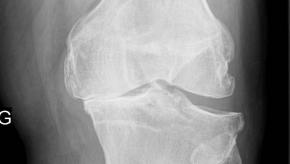
NSAIDs in Osteoarthritis: Study Suggests Need for New Look
Knee osteoarthritis (OA) patients using nonsteroidal anti-inflammatory drugs (NSAIDs) showed greater loss of medial minimum joint space width than did others taking other drugs, registry data indicated.
Read Article
RheumNow Podcast – Tofacitinib Safety Concerns (2.5.2021)
Dr. Jack Cush reviews and discusses the news and journal reports from the past week on RheumNow.com.
Read Article
Hydroxychloroquine Fails to Prevent COVID-19
There is a preponderance and mounting evidence that hydroxychloroquine is ineffective in COVID-19 infection; and now the NEJM reports a the results of a trial where HCQ given as post-COVID exposure therapy failed to prevent SARS-CoV-2 infection or symptomatic Covid-19 in healthy persons.
Read Article
Cardiac and Cancer Signals Tofacitinib Safety Alert from FDA
The FDA has notified healthcare professionals of a safety alert concerning tofacitinib (Xeljanz), noting that preliminary results from a long-term safety clinical trial show an increased risk of serious heart-related problems and cancer with tofacitinib (compared to adalimumab) when given to
Read Article
Adverse Events with Anti-malarials during the COVID Pandemic
For a variety of reasons, the use of anti-malarials (chloroquine and hydroxychloroquine) rose dramatically in the pandemic; notable was the lack of proven benefit and the dramatic risk in reported adverse drug reactions (ADRs) associated with these drugs being used to treat SARS-CoV-2.
Read Article