


Articles By Jack Cush, MD

Tofacitinib Effective in Refractory Still's Disease
Fourteen cases reported from mainland China suggest that tofacitinib (TOFA) may be effective in patients with refractory adult-onset Still’s disease (AOSD), further adding to a growing list of potential use of JAK inhibition in managing inflammatory, and now autoinflammatory, disease.
Read Article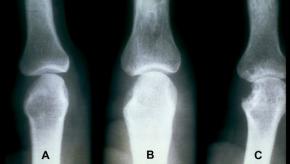
JAK Inhibitors Stimulate Osteoblasts
Science Translational Medicine has a report on how the use of Janus kinase (JAK) inhibitors may boost osteoblasts to battle bone erosions in conditions like rheumatoid arthritis (RA).
Read Article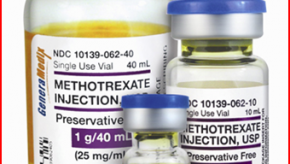
Adverse Effects of Low-Dose Methotrexate from the CIRT Trial
Low-dose methotrexate (LD-MTX) was studied in high risk cardiac patients in the cardiac intervention trial (CIRT), but was prematurely ended for not showing a change in cardiovascular event rates. Nonetheless this trial studied the safety and adverse event rates of LD-MTX and those results are reported in the current issue of Annals of Internal Medicine.
Read Article
BSR Guidelines for Giant Cell Arteritis
NICE has commissioned an update to the 2010 British Society for Rheumatology guideline for the management of giant cell arteritis, and proposed a total of 19 recommendations for the diagnosis and treatment of GCA.
Read Article
Primary Care Visits Decline 2008-2016
A national claims-based analysis has shown a consistent decline, by commercially insured adults (18-64 yrs), in primary care physician visits from 2008 to 2016; with nearly one half having no PCP visits in a given year by 2016.
Read Article
RheumNow Podcast - RWCS Quick Hits (2.14.20)
Dr. Jack Cush reviews the highlights from the 2020 RWCS meeting in Maui, Hawaii.
Read Article
PEXIVAS - Plasma Exhange Fails to Boost Outcomes in Severe AAV
The PEXIVAS study showed that plasma exchange did not reduce the incidence of death or ESKD in patients with severe ANCA–associated vasculitis.
Read Article
Shingles Vaccine Lowers Risk of CVA
Shingles infection has been historically linked to an increased risk of stroke. A new study found that Zoster Vaccine Live, one type of shingles vaccination, may prevent stroke in some older adults.
Read Article
Alcohols Net Zero Effect in Rheumatoid Arthritis
A report from The National Databank for Rheumatic Disease addressed the impact of alcohol on disease activity and mortality in rheumatoid arthritis (RA) and found that alcohol use was not associated with changes in disease activity or mortality, after addressing confounders.
Read Article
Overmedication of America
Recent research from the Lown Institute reports that 750 older Americans are hospitalized daily because of serious side effects from and the core problem is that of polypharmacy, especially in the elderly.
Read Article