


QD Clinic: Don't Presume on IL-1 in Gout
Dr. Richard Conway, Dublin, discusses the challenges of treating a 64 year-old male with a history of gout and CKD.
Transcription
Hello everyone. Welcome to Gout Quiz Clinics. I am Dr. Richard Conway from Dublin, Ireland. And I'm presenting a case to you today that I've titled "Don't Presume on IL-1." So this is a case I was asked to see by one of my nephrology colleagues.
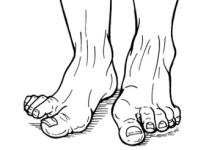
It is a man who is 64 years old. He has a history of gout. And looking at him he clearly has polyarticular tophaceous gout. He's tophei everywhere — complete mess. Now he's seeing nephrology, which would give a suggestion of why he has gout. So this guy has stage 4 chronic kidney disease. He has a urate of 533, which is high — 533 micromoles per liter, which is probably around 7 to 7.5 milligrams per deciliter — high enough to cause gout, not outrageously high. But we do see this: some people with urates that actually aren't that high do get quite severe tophaceous disease, and there are genetic and other factors involved in that. So I think this guy in some ways is just unlucky. It's kind of an expected urate level for his level of chronic kidney disease, but it's affecting him quite severely.
And as well as the tophi, he actually has severe disease in terms of his disease activity. So they've called me because he's constantly flaring. And as — I love my nephrology colleagues, they are very multi-skilled. So they've been managing his gout. They've been treating this with steroids and some colchicine, which is great to see despite his level of kidney disease. They've been happy to use that. And they're able to settle him with high doses of steroids and a bit of colchicine. But they can't get the steroids down. He keeps flaring up.
He was previously on allopurinol but he had a severe cutaneous reaction to this, so that was stopped, despite it being dosed appropriately and cautiously by our nephrology colleagues. And he was then commenced on febuxostat by them. So he's on 80 milligrams of febuxostat, and they rang me asking, "What do we do now? We can't settle this man's gout." And the specific question was, "Do we need to give him rasburicase?"
My reaction to that was, well, maybe you could give him rasburicase — he has lots of tophi, it'll help get rid of them — but it actually isn't going to help what his and your actual problem is, which is that he's flaring all over the place and you can't get his steroids down and his steroid side effects are accumulating rapidly. So it's not a terrible idea, but it's probably not the solution to the question that you are actually asking here.
We checked, and his urate has come down really nicely with the febuxostat — it's down to 240, which is about 4 milligrams per deciliter. So that's good enough; we'll be happy with that.
So what further complicating factor arose here? This man, who already has multiple medical problems, is actually homeless. He's living in a hostel — he's not completely living on the streets, but he is homeless — which can complicate medication administration and other things. You'd always be a little bit concerned about adherence as well. But I think we know from what his urate has done and how it's responded that he is actually taking his medication as he should.
So we considered this again. We figured, what are our options for actually controlling the flares of this disease? The steroids work, but he's had too much of them — we can't keep doing this. We can't really give him any more colchicine with his chronic kidney disease. We definitely can't give him NSAIDs with his chronic kidney disease. So the option we settled on was an IL-1 inhibitor.
Now, where I work we are unfortunate in this way in that we only have one IL-1 inhibitor in the country, which is anakinra — a daily injection. We do not have canakinumab available. So anakinra is our only option here. We did have fears about giving a self-injection medicine on a daily basis to someone who is in homeless accommodation — that this maybe isn't going to work out well, that there are going to be administration and logistical challenges. But we talked to the man. He was happy to try it. He thought he was going to be able to do it. So he said, "Let's give this a try. Let's start on anakinra."
So we started on anakinra, brought him back to clinic a couple of weeks later, and he's doing brilliantly. He's the best he has been in years. He has no pain. He's doing his anakinra successfully. He said no injection site reactions or anything. He's happy. His steroids have come down to 10 milligrams of prednisone from about 30 milligrams beforehand. We make a plan to get them down further. We say we continue the anakinra for as long as it takes because we don't want to go back on steroids. We think until these tophi are gone this guy is going to keep flaring.
So we have had him on anakinra now for a good number of months. He's done really well. His steroids are gone and he's still on his febuxostat and he's
happy out. He's still a tophus. We're still continuing the anakinra for as long as we need to. He's happy with that.
So I think the big lesson here in this case is, well firstly, that you treat the actual problem in front of you. If the problem is the gout flares, you do not need more urate-lowering therapy for somebody who's already at target. And that we really shouldn't presume what patients can or can't do, or would be willing to do, without asking them. And this man, despite his challenging accommodation situation, he was actually very happy and willing and capable of doing these daily injections.
So I'm Richard Conway, and do check out RheumNow for all the activities over this gout month.
It is a man who is 64 years old. He has a history of gout. And looking at him he clearly has polyarticular tophaceous gout. He's tophei everywhere — complete mess. Now he's seeing nephrology, which would give a suggestion of why he has gout. So this guy has stage 4 chronic kidney disease. He has a urate of 533, which is high — 533 micromoles per liter, which is probably around 7 to 7.5 milligrams per deciliter — high enough to cause gout, not outrageously high. But we do see this: some people with urates that actually aren't that high do get quite severe tophaceous disease, and there are genetic and other factors involved in that. So I think this guy in some ways is just unlucky. It's kind of an expected urate level for his level of chronic kidney disease, but it's affecting him quite severely.
And as well as the tophi, he actually has severe disease in terms of his disease activity. So they've called me because he's constantly flaring. And as — I love my nephrology colleagues, they are very multi-skilled. So they've been managing his gout. They've been treating this with steroids and some colchicine, which is great to see despite his level of kidney disease. They've been happy to use that. And they're able to settle him with high doses of steroids and a bit of colchicine. But they can't get the steroids down. He keeps flaring up.
He was previously on allopurinol but he had a severe cutaneous reaction to this, so that was stopped, despite it being dosed appropriately and cautiously by our nephrology colleagues. And he was then commenced on febuxostat by them. So he's on 80 milligrams of febuxostat, and they rang me asking, "What do we do now? We can't settle this man's gout." And the specific question was, "Do we need to give him rasburicase?"
My reaction to that was, well, maybe you could give him rasburicase — he has lots of tophi, it'll help get rid of them — but it actually isn't going to help what his and your actual problem is, which is that he's flaring all over the place and you can't get his steroids down and his steroid side effects are accumulating rapidly. So it's not a terrible idea, but it's probably not the solution to the question that you are actually asking here.
We checked, and his urate has come down really nicely with the febuxostat — it's down to 240, which is about 4 milligrams per deciliter. So that's good enough; we'll be happy with that.
So what further complicating factor arose here? This man, who already has multiple medical problems, is actually homeless. He's living in a hostel — he's not completely living on the streets, but he is homeless — which can complicate medication administration and other things. You'd always be a little bit concerned about adherence as well. But I think we know from what his urate has done and how it's responded that he is actually taking his medication as he should.
So we considered this again. We figured, what are our options for actually controlling the flares of this disease? The steroids work, but he's had too much of them — we can't keep doing this. We can't really give him any more colchicine with his chronic kidney disease. We definitely can't give him NSAIDs with his chronic kidney disease. So the option we settled on was an IL-1 inhibitor.
Now, where I work we are unfortunate in this way in that we only have one IL-1 inhibitor in the country, which is anakinra — a daily injection. We do not have canakinumab available. So anakinra is our only option here. We did have fears about giving a self-injection medicine on a daily basis to someone who is in homeless accommodation — that this maybe isn't going to work out well, that there are going to be administration and logistical challenges. But we talked to the man. He was happy to try it. He thought he was going to be able to do it. So he said, "Let's give this a try. Let's start on anakinra."
So we started on anakinra, brought him back to clinic a couple of weeks later, and he's doing brilliantly. He's the best he has been in years. He has no pain. He's doing his anakinra successfully. He said no injection site reactions or anything. He's happy. His steroids have come down to 10 milligrams of prednisone from about 30 milligrams beforehand. We make a plan to get them down further. We say we continue the anakinra for as long as it takes because we don't want to go back on steroids. We think until these tophi are gone this guy is going to keep flaring.
So we have had him on anakinra now for a good number of months. He's done really well. His steroids are gone and he's still on his febuxostat and he's
happy out. He's still a tophus. We're still continuing the anakinra for as long as we need to. He's happy with that.
So I think the big lesson here in this case is, well firstly, that you treat the actual problem in front of you. If the problem is the gout flares, you do not need more urate-lowering therapy for somebody who's already at target. And that we really shouldn't presume what patients can or can't do, or would be willing to do, without asking them. And this man, despite his challenging accommodation situation, he was actually very happy and willing and capable of doing these daily injections.
So I'm Richard Conway, and do check out RheumNow for all the activities over this gout month.





If you are a health practitioner, you may Login/Register to comment.
Due to the nature of these comment forums, only health practitioners are allowed to comment at this time.