


Good Grief Save

When it rains it pours, but when it comes to grief, it’s like the rains that just won't let up.
Just too many deaths this past month. All devastating, all my immediate sphere. All hard to fathom. How can something so inevitable be a recurring, unwelcome, unsolvable bad dream?
I lost my father when I was 15, my sister was 20 and my mother when I was in medical school. And I've done this many, many times since.
Just last week, I was crushed with the death of my med school roommate and best friend, Dick. Profound sadness and kinetic shutdown. To me he was a righteous giant. He was a linchpin, a loyal and devoted friend, now lost to many.
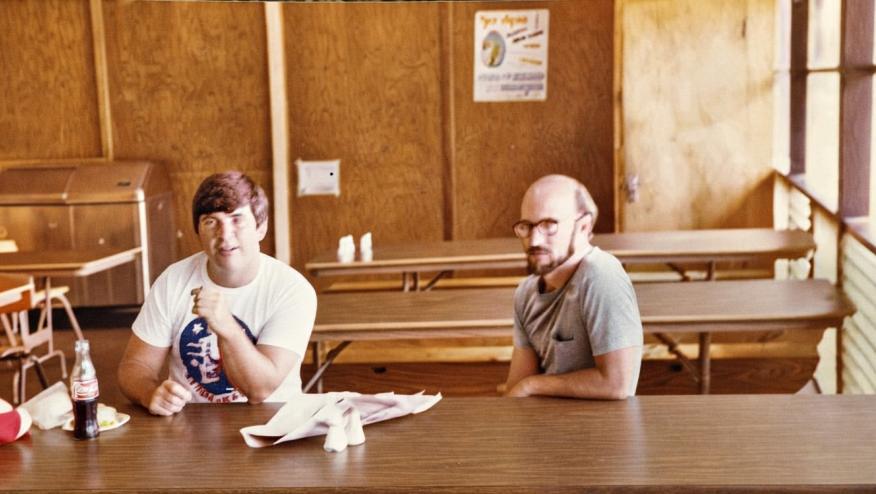
We entered medical school together. I was 22 and single, he was 14 years older than me, married, with 2 kids and a prior career as a nurse anesthetist. He was always the wise one. I helped him with biostat, but he helped me navigate the pitfalls and avalanches of medical school. My four-year apprenticeship ended in 1981. We went our separate ways, he to anesthesia me to rheumatology.
Since, we would sporadically connect, just not enough. We would email or talk by phone to keep the best-buddy glue between us alive. Time and distance are too easily transcended or too easily ignored when it comes to those you integrate into your DNA. Last year, we reunioned for a few days for first time in almost 30 years. Our F2F was just like the first time we sat together at that cafeteria table, so little said but so much gained.
I had just emailed Dick a few weeks ago to let him know that our other roommate, Jim had passed away unexpectedly. They too, were extraordinarily close. For both of us, Dick was the anchor, rudder and sail during our first few years together. Dick was the oligosyllabic sage always reigning in Jim’s enthusiasm and tolerant of my blabbering idiocy. When told of Jim’s death, Dick's response was measured, surprised, thankful, relieved. While typically Dick, he also knew that his own end was near, as he had been battling a chronic illness.
When dealing with grief, I suggest you talk a lot about your loved one; they are your glue, not your ghost. Their love never leaves and needs to be lived through you. Individually grief is unthinkable and unmanageable. But with others, it can be enriching. I suggest you listen to Anderson Cooper's podcast called “All There Is with Anderson Cooper” where he visits with others who recount their grief experience.
“Good grief”, said Charlie Brown repeatedly, although in a different context. Good grief should be all about how your respond and what you feel.
I once went to the funeral of my boss, and the prominent eulogizer began by declaring, “as death goes, this was a good death”. What, Good death!? Good grief! But maybe it was merciful, maybe he left a wake of goodwill and wisdom. Likewise, grief can be good.
A wise CEO friend once said to me, “you need to learn to love your troubles”. Love your troubles!? Good grief! But, isn’t that how all great lessons and great advances are launched?
Death of this magnitude is about as ugly as it gets. The equal and opposite reaction should be about how great and fortunate life is. Love is when you embrace the loss, honor your loved one and plan your survival by keeping that glue sticky.
Death will either tear you down or build you up buttercup. Choosing good grief has made me happier, wiser, and more resolute.
Death cannot tear me down; not until it buries me.
Related Content



ADD THE FIRST COMMENT
Disclosures
Disclosures
The author has no conflicts of interest to disclose related to this subject





If you are a health practitioner, you may Login/Register to comment.
Due to the nature of these comment forums, only health practitioners are allowed to comment at this time.