The risk COVID-19 infection and mortality in the U.S. has been closely correlated with increasing age. However, recent data suggests that young adults (aged 18–25 years) have shown an increasing risk of COVID-19 infection since the pandemic began in March 2020.

All News
Colchicine has been advocated as a potential anti-inflammatory intervention in patients with the coronavirus 2 infection and clinical trials have been developed to assess its effect in early COVID-2 infection. JAMA has published a randomized clinical trial showing that low dose colchicine had less clinical deterioration without significant changes in biomarkers, such as high-sensitivity cardiac troponin and C-reactive protein.
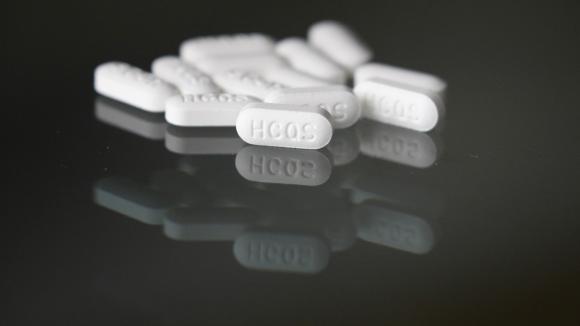
Hydroxychloroquine is one of many medications frequently used in rheumatology practice. Its remarkable versatility is attested by its routine use in lupus, in patients with an autoimmune coagulopathy, in patients with rheumatoid arthritis, as well as in those with a low-level inflammatory arthropathy.
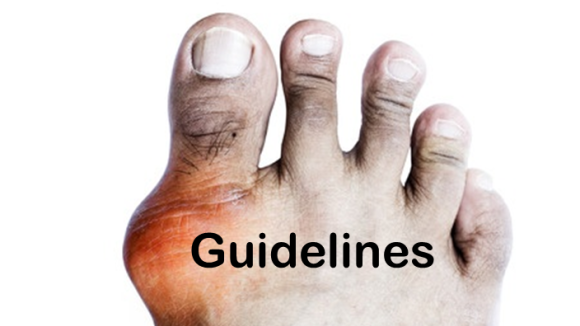
In May, the American College of Rheumatology (ACR) released the"2020 Guideline for the Management of Gout"reflecting new clinical evidence since the last guideline published in 2012.
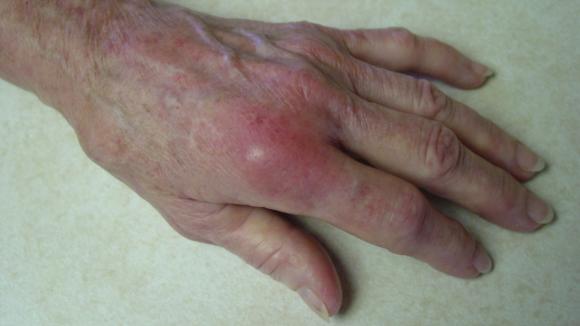
While it is often said there is a negative association between gout and rheumatoid arthritis (RA), cases of coexistent disorders are uncommonly seen. A recent VA study describes 121 patients whith both RA and gout.
A new report in the Journal of Rheumatology shows that liver abnormalities are common in psoriatic arthritis (PsA) and may be associated with obesity, more severe disease and select therapies.
The VITAL study is a VA registry that has shown that both systemic lupus erythematosus (SLE) and rheumatoid arthritis (RA) patients carry higher odds of both premature and extremely premature atherosclerotic cardiovascular disease and its consequences.
Two recent reports further characterize the newly described, Kawasaki-like, syndrome affecting children with COVID-19 infections.
The NEJM describes the childhood syndrome as having Kawasaki’s disease, fever, toxic shock syndrome, acute abdominal conditions, and encephalopathy; hence the label Childhood Multisystem Inflammatory Syndrome. The disorder emerged in late April 2020, first in the U.K., and then similar cases were reported from many other countries. The CDC named this multisystem inflammatory syndrome in children (MIS-C).
The American College of Rheumatology (ACR) has released an official position statement supporting the role of telemedicine as a tool with the potential to increase access and improve care for patients with rheumatic diseases.
Data presented at the recent American Academy of Dermatology meeting suggests that interleukin (IL)-23 inhibition with risankizumab was more effective than the IL-17 inhibition (secukinumab) based on a 52 week randomized head-to-head trial in moderate to severe psoriasis patients.
A retrospective, observational study published in Lancet Rheumatology has shown that tocilizumab (TCZ) may reduce the risk of death or the need for mechanical ventilation in severe COVID-19 pneumonia. This observational study included adults, with severe COVID-19 pneumonia, who were hospitalized between Feb 21 and March 24, 2020. All were on the standard of care (ie, supplemental oxygen, hydroxychloroquine, azithromycin, antiretrovirals, and low molecular weight heparin), and a non-randomly selected subset of patients also received TCZ.
Dr Jack Cush reviews the news and journal articles from the past week on RheumNow.com
Colchicine has been advocated as a potential anti-inflammatory intervention in patients with the coronavirus 2 infection and clinical trials have been developed to assess its effect in early COVID-2 infection. JAMA has published a randomized clinical trial showing that low dose colchicine had less clinical deterioration without significant changes in biomarkers, such as high-sensitivity cardiac troponin and C-reactive protein.
Multisystem inflammatory syndrome in children (MIS-C) associated with COVID-19 infection has both similarities and differences with Kawasaki disease, and requires distinct clinical management, according to draft guidance from the American College of Rheumatology (ACR).
For years, rheumatologists would rather fight to stay on a TNF inhibitor (TNFi) than switch to a non-TNFi biologic when rheumatoid arthritis (RA) therapy fails.
The largest study, to date, shows that in‐hospital mortality of systemic lupus erythematosus (SLE) patients has significantly improved between 2006 and 2016, with a high mortality burden among U.S. Blacks and Hispanics with lupus.
Among patients with rheumatic diseases, age and female sex were important factors associated with the development of a first adverse event after initiating biologic treatment, Spanish researchers reported.
Add this to the list of hydroxychloroquine (HCQ) letdowns in managing COVID-19 treatment or risk - prophylaxis with HCQ fails to prevent COVID-19 infection in those exposed to the SARS-CoV-2 virus.
NEJM has reported a prospective, randomized, double-blind, placebo-controlled trial from the US and Canada wherein adults with household or occupational exposure to someone with confirmed Covid-19 were treated with either placebo or HCQ within 4 days of exposure.
Several recent reports offer conflicting views on the potential benefits and adverse outcomes of IL-6 inhibition with tocilizumab (TCZ) therapy in patients with severe COVID-19 infection.
An Italian study grabbed the headlines yesterday with a press release stating TCZ did not improve respiratory symptoms, ICU admissions or mortality rates when given to 126 COVID patients with early disease. The study, supported by the Italian Medicines Agency (Aifa), stopped enrollment (about 1/3 of projections) after an interim analysis found insufficient evidence that TCZ would be effective. This report has not been published or undergone critical review.
Dr. Jack Cush reviews the news and journal reports from the past week on RheumNow.com.