Article
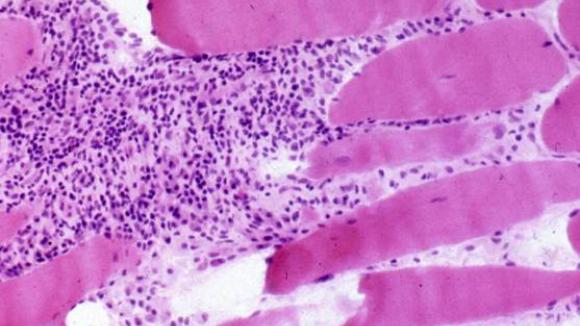
Rheumatologists looking for clues to whether their patients with certain inflammatory myopathies will improve on immunosuppressive drugs may find them in a new study appearing in Arthritis Care & Research.

Search for Terms or Answers
Rheumatologists looking for clues to whether their patients with certain inflammatory myopathies will improve on immunosuppressive drugs may find them in a new study appearing in Arthritis Care & Research.
The European League against Rheumatism (EULAR) has developed recommendations for cardiovascular risk (CVR) management in rheumatic disease patients based on literature review and expert consensus.

Interesting reports this week about dementia, who gets hand OA and a great list of women Heroes and Pillars of Rheumatology. Tune in as Dr. Jack Cush reviews the news and journal articles from this past week in RheumNow.com.
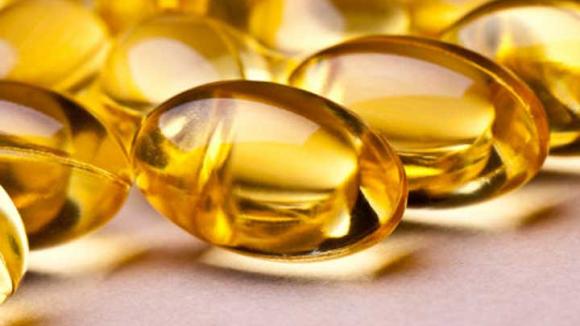
The results of the VITAL study (presented at ACR 2021) are now published by BMJ, showing that vitamin D and omega 3 fatty acids reduce the overall risk of autoimmune disease (AID) in a population based intervention trial.
Dr. Jack Cush reviews the news and journal reports from this past week on RheumNow.com. He discusses the GI side effects of IL-17 inhibitors, downstream revenues from rheumatology care and dietary prevention of gout.
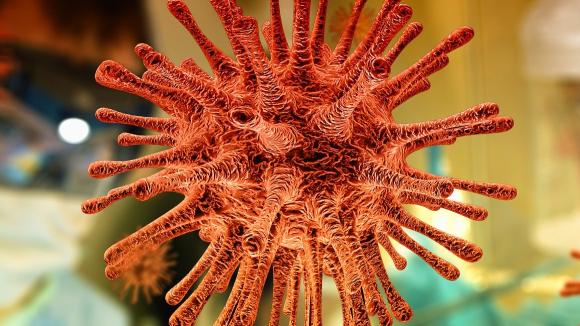
For adults aged ≥18 years who received 2 doses of an mRNA COVID-19 vaccine, a third dose increased vaccine effectiveness (prevention of hospitalization) among adults without (82% to 97%) and with immunocompromising conditions (69% to 88%), with near similar efficacy.


By downloading this material, I acknowledge that it may be used only for personal use and personal education and that I will accredit RheumNow.com as the source and owner of this material. Commercial use or mass reproduction of this material without permission from RheumNow (info@rheumnow.com) is prohibited.