A cohort study in Annals of Internal Medicine shows that higher hydroxychloroquine doses was associated with progressively greater risk for incident retinopathy. The study aimed to assess the long-term risk for incident hydroxychloroquine retinopathy and examine the degree to which average hydroxychloroquine dose within the first 5 years of treatment predicts this risk.

All News
I reached out to many leaders in rheumatology and asked: who are the great women in rheumatology who should be recognized? This was prompted by a smart article in Annals of Rheumatic Disease written by Drs. Tuhina Neogi (Boston) and Nicola Dalbeth (N. Zealand), entitled "Where are the women ‘Heroes and Pillars of Rheumatology’?
A prospective, pragmatic, open-label, randomized trial conducted by the UK National Health Service, studied interventions in patients with carpal tunnel syndrome (CTS) and found no advantage to either CTS corticosteroid injection (CSI) or night splinting (NS) as the initial treatment of CTS.
Despite its well known toxicities, alcohol is known to be antiinflammatory. The effects of alcohol use in rheumatoid arthritis (RA) is less known, but a recent study suggests that alcohol consumption was dose-dependently associated with lower disease activity and higher health-related quality of life in RA patients.
Dr. Jack Cush reviews the news, journal articles and regulatory decisions from the past week from RheumNow.com. This week focuses on parodoxical psoriasis, scleroderma outcomes and subsets, and alopecia areata therapy.
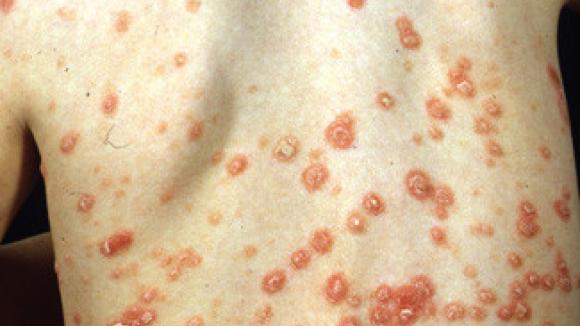
A multicenter cohort study reported a large cohort of pediatric patients receiving TNF inhibitor therapy complicated by psoriasis, regardless of treatment indication or the specific TNF inhibitor.
Obesity carries many risks, now a new study in Arthritis & Rheumatology shows that higher body mass index (BMI) increases the risk for several rheumatic diseases, especially in women for both gout and psoriatic arthropathy.
Dr. Jack Cush reviews the news and reports from the past week on RheumNow.com. This week a new colchicine FDA approval, rising rate of IgG4 related disease and what's the safest biologic?
An analysis of a large rheumatoid arthritis cohort sheds light on biologic disease-modifying anti-rheumatic drugs (bDMARDs) clustering that may be used in management, as certain clusters of b/tsDMARD correlated with disease activity over time.
Treatment advances with new biologic disease-modifying antirheumatic drugs (bDMARDs), targeted synthetic DMARDs (tsDMARDs) and biosimilar DMARDs (bsDMARDs) have proven efficacy and safety; but does their increased cost yield commensurate benefits in patients with rheumatoid arthritis (RA) and high disease activity?