
Article
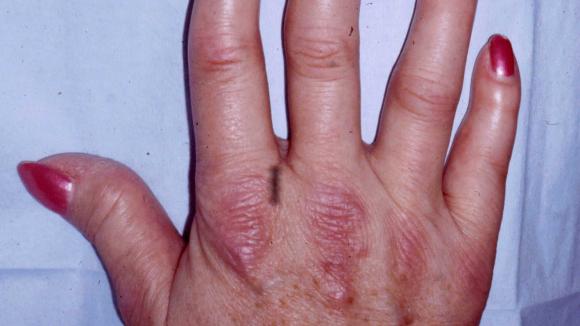
Researchers from the University of Pennsylvania have published an open-access review of dermatomyositis (DM) - its manifestations, hallmark cutaneous features, etiopathogenesis and treatment options.

Search for Terms or Answers
Researchers from the University of Pennsylvania have published an open-access review of dermatomyositis (DM) - its manifestations, hallmark cutaneous features, etiopathogenesis and treatment options.
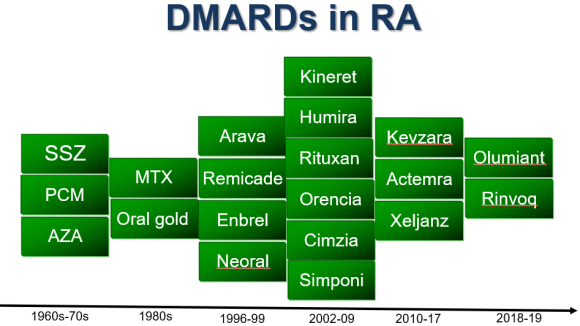
RheumNow's August 2025 “Live Vote” surveys examine Rheumatologist impressions, knowledge and practices over the last 20 years when treating rheumatoid arthritis.
The first survey on RA Treatment (7/28/2025) sheds light on evolving prescribing habits, use of biologics, and key frustrations in RA care.
A San Francisco Rheumatoid Arthritis Panel cohort survey between 1999–2011, showed numerous sociodemographic, disease, and health characteristics that influenced the initiation of treatment with biologic agents for rheumatoid arthritis (RA).

Dr. Jack Cush reviews the news, journal and FDA updates from this past week on RheumNow.com.

Dr. Jack Cush reviews the news and journal reports from this past week on RheumNow.com along with interesting case questions from "Ask Cush Anything".
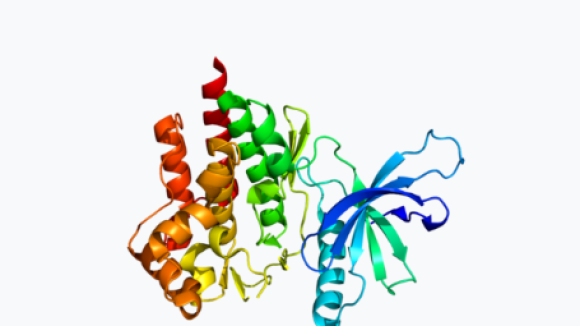
A highly selective, tyrosine kinase 2 inhibitor zasocitinib (TAK-279), was studied in a phase 2b trial and found to be effective and safe patients with active psoriatic arthritis (PsA).
A large multicenter cohort study of Relapsing Polychondritis (RP) describes the clinical manifestations and treatment approaches to this rare, heterogeneous, multisystem disease.

More effective treatments in patients with rheumatic diseases have resulted in less need for major surgery, yet a substantial number of RMD patients will undergo surgery often in the setting of DMARDs use. A scoping review looked at numerous clinical practice guidelines/recommendations for the perioperative management of DMARDs and found inconsistencies and low quality evidence, with great reliance on conditional (expert opinion) recommendations.

Dr. Jack Cush reviews the news and journal reports from this past week - some obvious, other new thoughts and some - hmmm, reallly?
A current systematic review in Rheumatology addresses the clinical features seen in the VEXAS syndrome.

Autoimmune hepatitis (AIH) is a chronic, progressive inflammatory liver disease driven by autoimmune mechanisms, characterized by elevated serum aminotransferases, hypergammaglobulinemia, and interface hepatitis on histology.

A retrospective US administrative claims cohort study of RA patients on tumor necrosis factor inhibitors (TNFis), non-TNFi biologics, or Janus kinase inhibitors (JAKis) found a statistically significantly higher risk of incident cancer in patients receiving rituximab, abatacept, or JAKis (compared with TNFis).

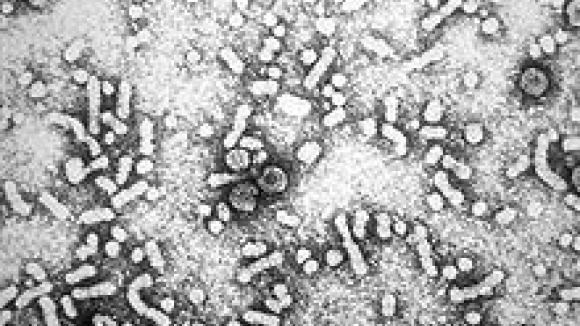
The American Gastroenterology Association has published its revised clinical practice guidelines for the prevention and treatment of hepatitis B virus (HBV) reactivation in at-risk patients, particularly those with immune-mediated disease, receiving immunomodulatory therapy and steroids.


By downloading this material, I acknowledge that it may be used only for personal use and personal education and that I will accredit RheumNow.com as the source and owner of this material. Commercial use or mass reproduction of this material without permission from RheumNow (info@rheumnow.com) is prohibited.
