
Article
Dr. Jack Cush reviews highlights, news and recent research published this week on RheumNow.com. This week's report includes rising epidemiologic numbers, vaccine updates for H.

Search for Terms or Answers
Dr. Jack Cush reviews highlights, news and recent research published this week on RheumNow.com. This week's report includes rising epidemiologic numbers, vaccine updates for H.

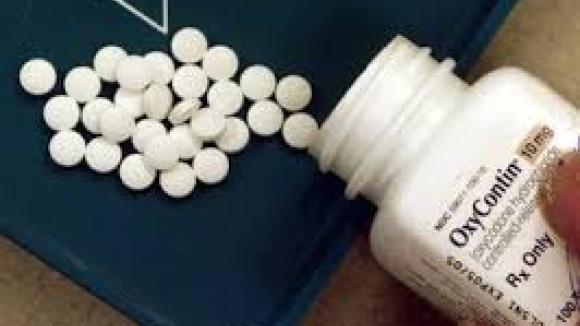
A prospective study has shown that ankylosing spondylitis (AS) patients often require narcotic analgesics to manage pain unresponsive to antiinflammatory therapies.
The RheumNow Week in Review discusses the past week's news, journal articles and highlights from RheumNow.com. This week's report covers the price of biologics treatment in psoriasis, comorbidities in myositis, bronchiectasis with MPO antibodies, and the risk of secondary TNF failure with anti-drug antibodies.

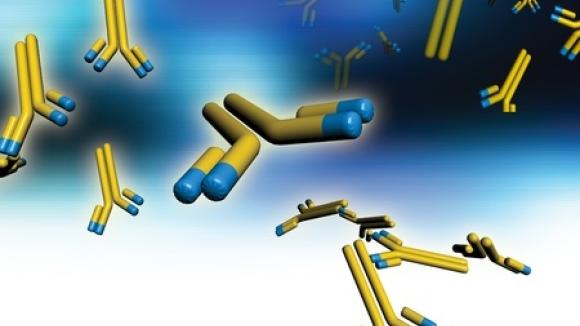
An observational study of patients with active rheumatoid arthritis (RA) or spondyloarthritis (SpA) experiencing secondary failure to TNF inhibitor (TNFi) therapy showed that (secondary) loss of efficacy to a TNFi was associated with anti-drug antibodies in less than 30% of patients.
The RAPID-axSpA study of ankylosing spondylitis (AS) and non-radiographic axial spondyloarthritis (nr-axSpA) patients showed that certolizumab pegol (CZP) treatment yielded rapid clinical improvement with limited radiographic progression and MRI inflammation at the sacroiliiac (SI) joint over 4 years.
Monotherapy with apremilast (Otezla) among patients with psoriatic arthritis who were biologic-naive was significantly more effective than placebo as early as week 2 in a phase IIIb study.
Is your patient’s refrigerator the problem with the inefficacy of biologic therapies? Studies show most patients don't store their biologics correctly, which may be a source of limited drug efficacy.

In 2016 the WHO set out to eliminate HBV infection as a public health threat by 2030. So far, we are far from this goal as vaccine implementation has been suboptimal in a number of important patient populations, including patients with rheumatologic diseases, as well as other immunocompromising diseases like HIV.

A study from Nature Neuroscience shows that a high salt diet may mediate neurovascular disease by altering microbiome and the expansion of TH17 cells in the small intestine, thereby increasing plasma interleukin-17 (IL-17) and its subsequent effects on endothelium in the brain.
Dr. Jack Cush reviews a dozen highlights from the past week on RheumNow.com.
The latest issue of CDC’s MMWR reports that exercise counseling among arthritis patients increased from 52% to 61% (2002 to 2014); hence ~40% do not receive health care provider counseling, suggesting the need for provider education and training in exercise counseling, and improved electroni

MedPage Today Editors surveyed a few rheumatologists for their major news predictions in 2018. Read on for predictions regarding drug pricing, biosimilars, autoimmunity and checkpoint inhibitors, and thrombotic events and JAK inhibition.

Dr Jack Cush reviews the news and journal articles from the past week on RheumNow.com.
Rheumatology has published a study demonstrating that bone marrow edema as measured by magnetic resonance imaging (MRI) may be found in healthy people, but that such changes do not change with intense physical activity.
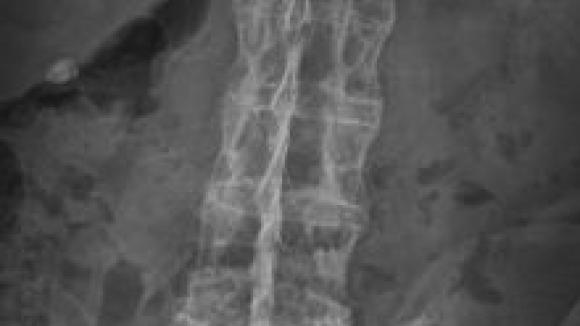
Patients with ankylosing spondylitis (AS) have shown rapid and sustained responses to secukinumab (Cosentyx) in a third phase III trial that includes a higher dose of this anti-interleukin-17A monoclonal antibody, researchers reported.
In this Therapeutic Update, Drs. Mease, Gibofsky and Cush answer five questions regarding the August 3rd FDA Arthritis Advisory Committee meeting that reviewed the potential approval of tofacitinib (Xeljanz) in patients with active psoriatic arthritis. The panel was nearly unanimous (10-1) in favor of the efficacy and safety profile of of tofacitinib, and similarly voted 10-1 to approve this drug for use in PsA. Final decisions on these recommendations from the AAC panel will be made at a later date by the FDA.

Dr. Jack Cush reviews highlights and news from the past week on RheumNow.com.
A prospective Swedish study between 2001–2009 found a higher risk of aortic regurgitation, pacemaker, AV block and atrial fibrillation in SpA, AS, uSpA and PsA patients.

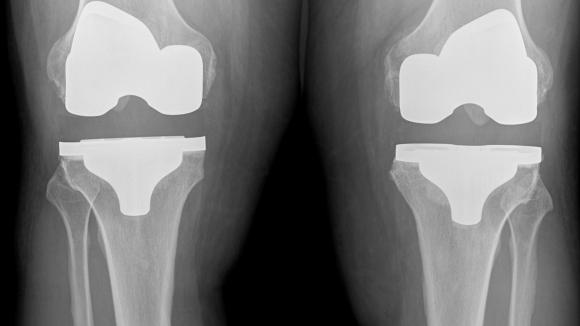
A time-series analysis of incident rheumatoid arthritis (RA) patients seen between 1996 and 2011 in the Danish National Patient Register shows that the incidence of hip (THR) and knee replacements (TKR) began to decrease after the introdution of biologic agents for RA in 2002.
Dr. Jack Cush reviews the news from the past week on RheumNow.com. Subscribe to the podcast on iTunes and SoundCloud.com.
By downloading this material, I acknowledge that it may be used only for personal use and personal education and that I will accredit RheumNow.com as the source and owner of this material. Commercial use or mass reproduction of this material without permission from RheumNow (info@rheumnow.com) is prohibited.