
Article
Rheumatologists are used to the concept of disease remission as this is a treatment goal we use for many chronic rheumatic diseases in our clinical practice.

Search for Terms or Answers
Rheumatologists are used to the concept of disease remission as this is a treatment goal we use for many chronic rheumatic diseases in our clinical practice.

In most mammals, uricase catalyzes the oxidation of uric acid to allantoin, a highly soluble compound easily excreted by the kidneys. But humans lack functional uricase, leaving xanthine oxidase inhibitors (allopurinol/febuxostat) as first-line urate-lowering therapy (ULT). Uricase-based biologics are reserved for uncontrolled/refractory gout patients with gouty flares, active synovitis, and/or non-resolving tophi despite optimized oral ULT.
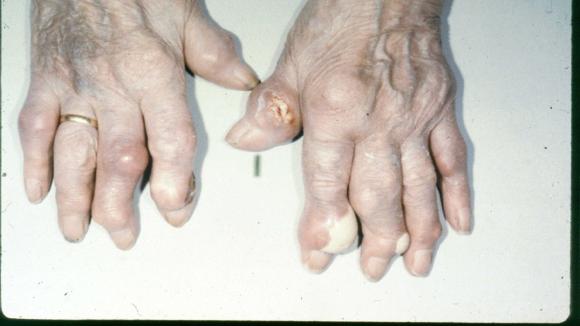
We have spent decades teaching that a gout flare is a joint problem: a hot, swollen, painful joint that we treat with anti-inflammatory drugs and move on from (i.e., the treat to avoid symptoms strategy). The campaign title says it well — gout is more than flares.

William James famously wrote in Pragmatism, “There can be no difference anywhere that doesn’t make a difference elsewhere.” Gout treatment offers a striking medical example of that idea.

Years of IL-17 vs. IL-23 debate in PsA finally got tested head-to-head: bimekizumab outperformed risankizumab on joint outcomes in the BE BOLD trial, while a GLP-1 combination study suggests weight and metabolic status are active drivers of PsA — not just comorbidities. This recap also digs into early signals that biologic choice may influence whether psoriasis progresses to PsA, and why some well-controlled patients are still in pain.

Dr. Jack Cush reviews the news, journal articles and Gout features from this past week on RheumNow.com.

Dr. Jack Cush reviews the news, journal articles and regulatory decisions from the past week. July is Gout: More than Flares month.
CAR-T therapy in autoimmune disease is moving fast - but is it ready to move beyond specialized referral centers? This EULAR 2026 recap covers the mechanistic data, relapse biology, and access innovations shaping that answer.

The New England Journal of Medicine (NEJM) retracted the pivotal study supporting FDA's approval of avacopan (Tavneos) for severe forms of anti-neutrophil cytoplasmic



By downloading this material, I acknowledge that it may be used only for personal use and personal education and that I will accredit RheumNow.com as the source and owner of this material. Commercial use or mass reproduction of this material without permission from RheumNow (info@rheumnow.com) is prohibited.
