
Article
A new user cohort study of 109 504 gout patients, achieving a serum urate level less than 6 mg/dL, was associated with a significantly lower risk of cardiovascular events.

Search for Terms or Answers
A new user cohort study of 109 504 gout patients, achieving a serum urate level less than 6 mg/dL, was associated with a significantly lower risk of cardiovascular events.

Chimeric antigen receptor T (CAR-T) cell therapy has emerged as a transformative approach in modern medicine, demonstrating remarkable efficacy in targeting pathogenic B-cell lineages with unprecedented specificity.

A population based study from British Columbia, Canada, shows that antimalarial adherence was associated with a lower risk of hospital admission in patients with rheumatoid arthritis

Dr. Jack Cush reviews the news and journal reports from this past week on RheumNow.com.
With increasing demand for health services in an aging population, serving complex patients with comorbidities, and increasing healthcare costs, the question of whether nurses can substitute for physicians was addressed by a recent Cochrane review.

Do shoes make a difference in osteoarthritis (OA)? Common advice often suggests that stable supportive shoes can improve arthritis symptoms in the knee, but does this apply to hip osteoarthritis?

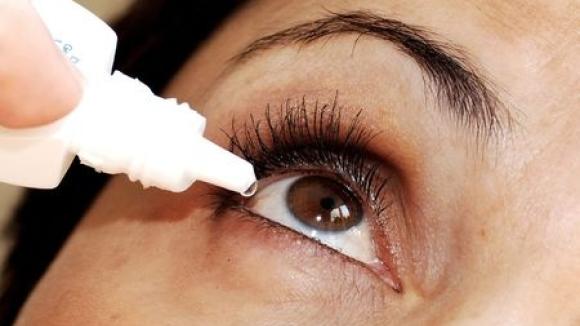
Dry eye rates upwards of 20% were seen across nine common autoimmune diseases other than Sjögren's, most often in rheumatoid arthritis (39.3%) with Crohn's disease bringing up the rear (23.0%), according to Chi-Chin Sun, MD, PhD, of Chang Gung Memorial Hospital in Keelung, Taiwan, and colleagues.
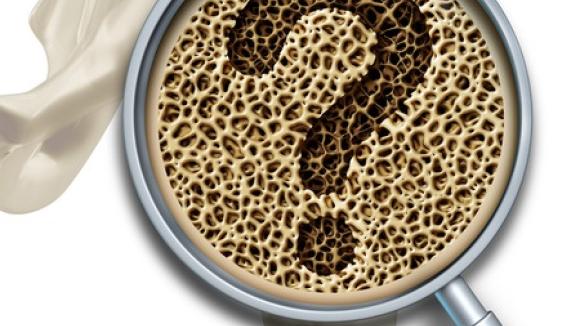
A report in The Lancet Diabetes & Endocrinology suggested that 3 months of romosozumab (ROMO) followed by denosumab is as effective at increasing hip bone mineral density (BMD) as the standard 12-month course.
An economic evaluation of early vs delayed use of the Blys inhibitor, belimumab (BEL), in systemic lupus erythematosus (SLE) has shown both cost effectiveness and clinical utility of early BEL initiation in active lupus patients.

Dr. Jack Cush reviews the news and journal reports from this past week on RheumNow.com. Highlights include referral rules, combination biiologics in psoriasis and don't use JAK inhibitors in pregnancy.
“Orthopedics or rheumatology, who should I see?" A question, often asked with urgency, posed by those who genuinely don’t know who to see for a musculoskeletal (MSK) complaint. Inquiring patients, family, or other physicians may be one forum for such a request. Another occurs in the hospital and clinic when referrals for MSK issues can go in either direction. How would you guide such requests? And what would your answers be based on?






By downloading this material, I acknowledge that it may be used only for personal use and personal education and that I will accredit RheumNow.com as the source and owner of this material. Commercial use or mass reproduction of this material without permission from RheumNow (info@rheumnow.com) is prohibited.


