
Article
A possible mechanism behind the fibrosis that occurs in scleroderma has now been identified, a mechanism, researchers say, that may one day lead to a treatment for the disease.

Search for Terms or Answers
A possible mechanism behind the fibrosis that occurs in scleroderma has now been identified, a mechanism, researchers say, that may one day lead to a treatment for the disease.

Serum antibodies precede the development of clinical rheumatoid arthritis (RAby) by many years, and yet we still have much to learn about this preclinical phase.
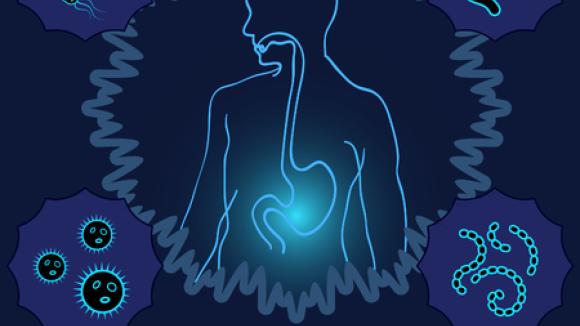
Using population based data, researchers found a 10 fold increase prevalence of SSc in first degree relatives. That equates to a relative risk of 81. Genetic factors appear to be important in the risk for scleroderma.
Researchers from the Toronto Hospital for Sick Children have published in the Journal of Immunology that a polymorphism in the inositol-triphosphate 3-kinase C (ITPKC) (rs28493229) is associated with the pathogenesis of Kawasaki's disease (KD).

The current JAMA Pediatrics issue has published a report showing that adjunctive corticosteroid therapy yielded significantly fewer coronary artery complications compared with intravenous immunoglobulin therapy alone, particularly among high-risk patients with Kawasaki disease.
Most women with systemic lupus erythematosus (SLE) have no or little disease activity during pregnancy, but experience greater disease activity or overt flares during the first year postpartum, a Norwegian study has found.

The Washington Post recently interviewed Dr. Eliza Chakavarty of the OMRF about the evolution in attitudes and outcomes of lupus women who wish to get pregnant.

Researchers from the University of British Columbia reported on their systematic review and meta-analysis of risk of herpes zoster (HZ) in patients receiving biologics, DMARDs and/or corticosteroids for autoimmune diseases.

A Lancet meta-analysis has reviewed the preventative effects of low-molecular-weight heparin (LMWH) on placenta-mediated pregnancy complications include pre-eclampsia, late pregnancy loss, placental abruption, and birth of a small-for-gestational-age (SGA) neonate.

Rheumatologists have been challenged to treat hepatitis C virus (HCV)-induced rheumatic disease since discovery of the virus in 1989.
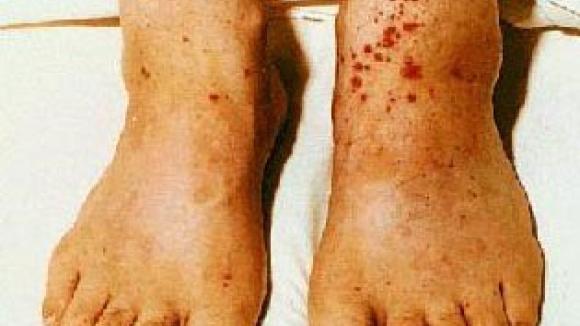
In this video, Michelle Petri, MD, director of the Hopkins Lupus Center at Johns Hopkins University, discusses recent successes and challenges in the treatment of systemic lupus erythematosus, with clinical trials results ranging from "wildly positive" to "completely negative."

A recent article published by the American Academy of Ophthalmology presented new recommendations for screening of patients being managed with hydroxychloroquine that changed the previous monitoring paradigm. More importantly, it has repositioned hydroxychloroquine from one of the safest medications that rheumatologists use to a drug that can have potentially significant ocular morbidity (if used in doses greater than 5 mg per kilogram and or for prolonged periods of time).

Muscle involvement in immune-mediated necrotizing myopathy (IMNM) was more extensive compared with other inflammatory myopathies, according to a retrospective chart review.

Singh and colleagues have published a systematic review and Bayesian network metaanalyses of clinical trials of immunosuppressive drugs and corticosteroids in patients with lupus nephriti.
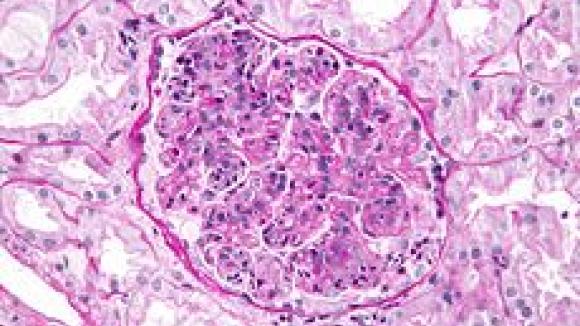
Symptoms attributed to chronic Lyme disease are the bane of a rheumatologist’s existence. We often see patients referred for a variety of nonspecific complaints that do not resolve after antibiotic therapy, including the so-called post-Lyme disease syndrome.

Three new FDA approvals, proteomics, cancer, infectious risk, nonadherence and disappointing clinical trial results covered in this RheumNow Week in Review.

Rates of serious infection and mortality among patients with systemic lupus erythematosus (SLE) did not depend on the immunosuppressive drug regimen they were on, investigators reported.

Ilaris was previously approved for use in systemic JIA and CAPS. The FDA has expanded this to include TRAPS, Hyper-IgD and FMF based on clinical trials.
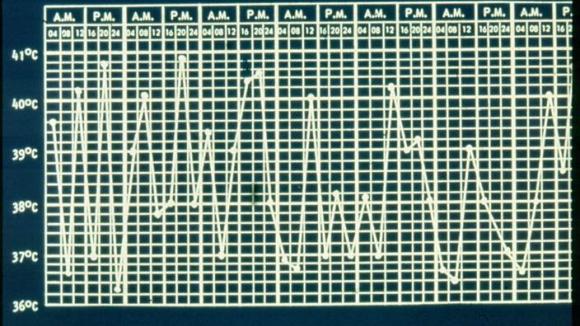
The world of PID (Primary immunodeficiency diseases) has changed remarkably over the past 5 years.

Although cardiovascular disease and complications have been well-described in patients with systemic lupus erythematosus (SLE), the association between SLE and heart failure (HF) remains undefined.

By downloading this material, I acknowledge that it may be used only for personal use and personal education and that I will accredit RheumNow.com as the source and owner of this material. Commercial use or mass reproduction of this material without permission from RheumNow (info@rheumnow.com) is prohibited.

