The ACR and the Vasculitis Foundation have published their evidence-based recommendations and expert guidance for the management of GCA and Takayasu arteritis. These recommendations address a variety of clinical questions and scenarios including diagnostic testing, imaging, treatments, and surgical interventions. Recommendations for GCA and TAK include support for the use of glucocorticoid-sparing immunosuppressive agents and the use of imaging to identify large vessel involvement. Recommendations for TAK include the use of glucocorticoids as initial therapy.

All News
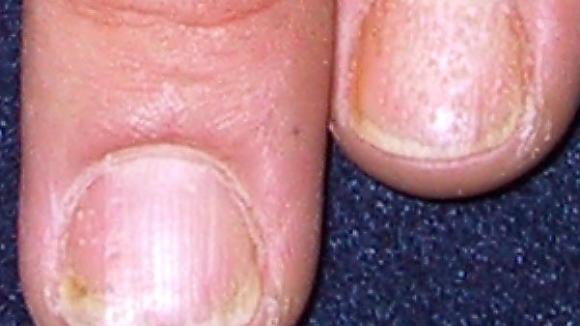
Mease and colleagues have shown that psoriatic arthritis (PsA) patients with nail involvement have worse disease and outcomes than those without nail psoriasis.
Dr. Jack Cush reviews the news and journal reports from the past week on RheumNow.com.
Chung et al have published the 2021 treatment guielines for the management of antineutrophil cytoplasmic antibody–associated vasculitis, including granulomatosis with polyangiitis, microscopic polyangiitis, and eosinophilic granulomatosis with polyangiitis. These guidelines are put forth by the ACR and the Vasculitis Foundation as benchmark guidance to assist health care professionals in managing AAV.
Slow Steroid Tapering Succeeds in SLE
Gradual withdrawal of glucocorticoids was successful among patients with systemic lupus erythematosus (SLE) after 2 years of clinically quiescent disease, without an increased likelihood of flares, Canadian researchers reported.
Hydroxychloroquine (HCQ) is one of the safest meds used in rheumatology, but there is new claims data suggesting a small increase in the risk of malformations associated with first-trimester HCQ use.
MMWR review of the risk of myocarditis and pericarditis reports a June 23, 2021 recommendation by the Advisory Committee on Immunization Practices that the benefits of COVID-19 vaccination clearly outweighed the risks of myocarditis after vaccination.
Dr. Jack Cush reviews and discusses the news and journal reports from the past week on RheumNow.com.
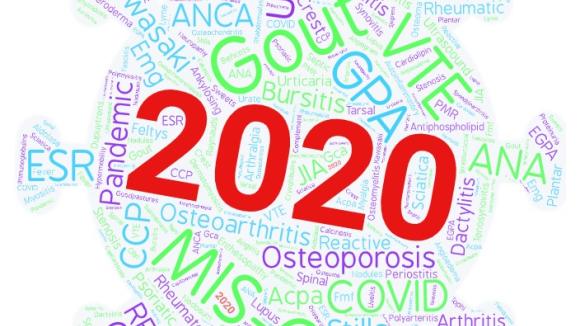
2020 was historic, memorable and game-changing. Under the cloud of COVID-19, there were many significant and memorable advances and setbacks for the rheumatology world. In our accounting of most read articles for 2020, (not surprisingly) 17/20 were COVID-related.
The evidence-based recommendations from the Group for Research and Assessment of Psoriasis and Psoriatic Arthritis were presented at #EULAR2021. The goal (as per 2009 recommendations) was “To develop recommendations, based upon the best scientific evidence, for the optimal treatment of patients with PsA” Dr. Laura Coates, Oxford detailed in abstract #OP0229. Since the last update in 2015, there have been multiple changes, which are highlighted here.
Genentech announced Thursday that the US Food and Drug Administration approved tocilizumab (Actemra) for the treatment of Systemic Sclerosis-associated Interstitial Lung Disease (SSc-ILD), specifically indicated for slowing the rate of decline in pulmonary function in adul
The FDA has notified healthcare professionals of a safety alert concerning tofacitinib (Xeljanz), noting that preliminary results from a long-term safety clinical trial show an increased risk of serious heart-related problems and cancer with tofacitinib (compared to adalimumab) when given to at-risk rheumatoid arthritis patients. These findings are in addition to the thrombotic risks (added to the label), potential risks including blood clots in the lungs and death.