Using a large cohort of rheumatoid arthritis (RA) patients, Tumor-Necrosis Factor inhibitors (TNFi) were compared to non-TNFi biologic therapies and showed that poorer responses were seen in obese and underweight patients, with no clear superiority of non-TNFi therapy over TNFi therapy in an
All News
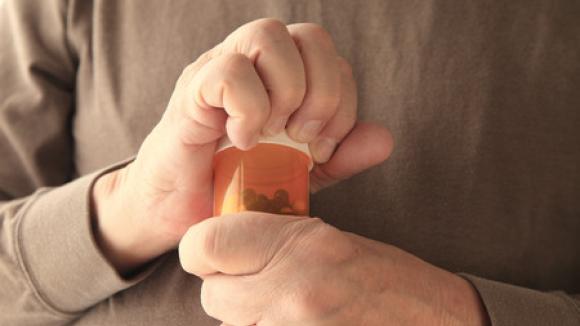
The consequences of medication non-adherence (NA) in rheumatoid arthritis (RA) care are numerous and damaging. A 6-month prospective cohort study of RA patients shows NA to vary according to drug type and be related to psychological, communicational, logistic, sociodemographic or clini
A Task Force from the ACR has provided an updated (version 3) guidance for the diagnosis and management of Multisystem Inflammatory Syndrome in Children (MIS-C), a COVID related condition characterized by fever, inflammation, and multiorgan dysfunction.
The results of the VITAL study (presented at ACR 2021) are now published by BMJ, showing that vitamin D and omega 3 fatty acids reduce the overall risk of autoimmune disease (AID) in a population based intervention trial.
Data came from the UK Rheumatoid Arthritis Medication Study (RAMS), a prospective cohort of early RA patients starting methotrexate (MTX) shows that in the first year, adverse events (AE) were common, but not serious.
Dr. Jack Cush reviews the news and journal reports from this past week on RheumNow.com. He discusses the GI side effects of IL-17 inhibitors, downstream revenues from rheumatology care and dietary prevention of gout.
Two recent analyses from the USA and Canada point to a significant unmet need with regard to pediatric rheumatologists.
In an editorial in the current edition of the NEJM, Dr. Jasvinder Singh comments on the Oral Surveillance trial (Ytterberg et al.), a 4-year randomized, open-label, noninferiority, postauthorization, safety end-point trial, in high risk active rheumatoid arthritis patients over age 50 years.
For adults aged ≥18 years who received 2 doses of an mRNA COVID-19 vaccine, a third dose increased vaccine effectiveness (prevention of hospitalization) among adults without (82% to 97%) and with immunocompromising conditions (69% to 88%), with near similar efficacy.