

All News

PEXIVAS - Plasma Exhange Fails to Boost Outcomes in Severe AAV
The PEXIVAS study showed that plasma exchange did not reduce the incidence of death or ESKD in patients with severe ANCA–associated vasculitis.
Read Article
Shingles Vaccine Lowers Risk of CVA
Shingles infection has been historically linked to an increased risk of stroke. A new study found that Zoster Vaccine Live, one type of shingles vaccination, may prevent stroke in some older adults.
Read Article
Alcohols Net Zero Effect in Rheumatoid Arthritis
A report from The National Databank for Rheumatic Disease addressed the impact of alcohol on disease activity and mortality in rheumatoid arthritis (RA) and found that alcohol use was not associated with changes in disease activity or mortality, after addressing confounders.
Read Article
Overmedication of America
Recent research from the Lown Institute reports that 750 older Americans are hospitalized daily because of serious side effects from and the core problem is that of polypharmacy, especially in the elderly.
Read Article
DMARD Inertia by Registry Rheumatologists
A registry study of metric use (primarily RAPID3 and CDAI) in the treatment of rheumatoid arthritis (RA) patients shows that, even in the face of moderate or high disease activity, treatment changes by rheumatologists were relatively low (35.6–54.6%).
Read Article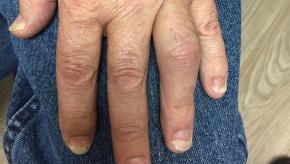
Upadacitinib Effective in Phase 3 Psoriatic Arthritis Study
Abbvie has announced top line results of their SELECT-PSA trial of upadacitinib (UPA), wherein both the 15 and 30 mg doses met the primary endpoint of ACR20 response at week 12 and demonstrated radiographic inhibition at week 24.
Read Article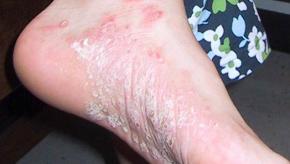
Which Biologics are Best in Psoriasis
A metanalysis of phase II, III and IV trials in moderate to severe plaque psoriasis suggests comparative efficacy biologic treatments, but that that brodalumab, guselkumab, ixekizumab, and risankizumab-rzaa were shown to have the past skin (PASI) response rates.
Read Article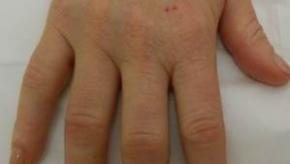
Limited Advantage to Very Early vs. Delayed Etanercept in RA
The VEDERA study sought to confirm whether the very early introduction of first-line etanercept+methotrexate (ETN+MTX) was superior to treat-to-target MTX (MTX-TT) in patients with early RA.
Read Article
RheumNow Podcast- 2019 EULAR RA Guidelines (1.31.20)
Dr. Jack Cush reviews the news and journal articles from the past week on RheumNow.com.
Read Article
Hormone Therapy for Postmenopausal Women
The NEJM weighs in on the problem of post-menopausal osteoporosis (OP) and tackles the use of hormonal therapy.
The decline in estrogen after menopause may increase risks for osteoporosis, cardiovascular disease, and cognitive decline. The use of hormone replacement therapy (HRT) to obviate these issues may be primarily driven by hot flashes in postmenopausal women.1
Who may benefit from hormone therapy among postmenopausal women?

Knee Replacements Last 25 Years
UK registry reports that greater than 80% of total knee replacements can last for 25 years.
The outcomes regarding the duration and durability of knee arthroplasties is sketchy, with many orthopedists projecting a 15 to 20 year survivial. Hence the need for an appraisal of the data.
Read Article
2019 EULAR Recommendations for the Management of Rheumatoid Arthritis
The 2019 update to the EULAR recommendations on the use of synthetic and biological disease-modifying antirheumatic drugs in rheumatoid arthritis (RA) have been published in Annals of Rheumatic Disease - highlighting the efforts of an international consensus committee effort.
In the end, the task force put forth 5 overarching principles and 12 recommendations concerning use of conventional synthetic DMARDs, glucocorticoids, biological DMARDs, biosimilar DMARDs, and targeted synthetic DMARDs (the Janus kinase (JAK) inhibitors tofacitinib, baricitinib, filgotinib, upadacitinib).

QD Clinic - "Doc, When Can I Stop?"
QD Clinic - Lessons from the clinic. In this video: Patients stable on a biologic need guidance on when, and if, they can stop their biologic.
Read Article
Low Risk of Inflammatory Arthritis in Hidradenitis Suppurativa Patients
JAMA Dermatology reports that after the onset and diagnosis of hidradenitis suppurativa (HS), such patients have a higher risk of certain forms inflammatory arthritis.
Read Article
Steroid-Sparing Effect of Tocilizumab in Refractory Takayasu Arteritis
A controlled clinical trial has shown that giving the IL-6 receptor antibody, tocilizumab (TCZ), to patients with Takayasu arteritis (TAK) results in clinical efficacy and has a steroid sparing efffect.
Read Article
RheumNow Podcast- The Down Side of Steroids (1.17.20)
Dr. Jack Cush reviews the journal reports and news from RheumNow.com.
Be sure to register for RheumNow Live 3/13/2020 in Fort Worth
Rheumnow.live.
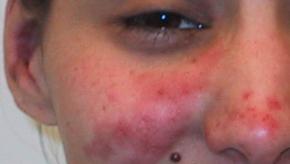
TULIP2 - Anifrolumab Succeeds in Lupus
NEJM has published the results of the TULIP2 trial with anifrolumab, an alpha interferon blocker, in the treatment of systemic lupus erythematosus, showing significant improvement (over placebo) in multiple lupus outcome measures, including BICLA, SRI-4, CLASI and others.
Should We Screen Younger Postmenopausal Women for Osteoporosis?
Do postmenopausal women, under age 65 years, need a baseline BMD testing? A JAMA Insights review suggests that the absolute risk of fracture is low in this group and that USPSTF guidelines should be considered - that we should be screening women younger than 65 years who are at increased risk of osteoporosis and we should be using a formal risk assessment tool to identify candidates for bone density testing.
Read Article
Rheumatologists Ranked #1 in Happiness (Again)
Medscape has reported the results of its 2020 annual physician survey, This year rheumatologists (60%), general surgeons (60%), public health and preventive medicine physicians, and allergists/immunologists are the "happiest" outside of work compared to other specialists, according to Medscap
Read Article
Steroids Up the Risk of Organ Damage in SLE
Lancet Rheumatology has reported the results of a multicenter follow-up study of systemic lupus erythematosus (SLE) patients showing that organ damange is linked to glucocorticoid use, independent of clinical or serological disease activity.
Read Article
