
Article
Selective IL-23 inhibition has been touted to be the next great advance in the treatment of inflammatory bowel and psoriatic disease.

Search for Terms or Answers
Selective IL-23 inhibition has been touted to be the next great advance in the treatment of inflammatory bowel and psoriatic disease.

Polymyalgia rheumatica (PMR) should be easy and responsive, but it can be a challenge and requires long-term steroid therapy. Problems often begin when steroid–induced side effects take their toll on a patient, especially in elderly adults.

The following is a compilation of several frequently asked questions regarding tuberculosis (TB) testing or treatment in patients on a TNF inhibitor (TNFi) or other biologic agents.
The initial choice of biologic is crucial to long-term success. Yet there are few studies evaluating head-to-head differences in some of our most popular therapies.

Singh and coworkers have assessed the value of adding a biologic to rheumatoid arthritis (RA) patients not responding to either methotrexate (MTX) or DMARDs. The results of their netowork metanalsysis is published as a Cochrane review wherein they examined a total of 90 RCTs (73 new) with 32

Secukinumab (Cosentyx) has recently been approved for use in ankylosing spondylitis and psoriatic arthritis; the latter largely based on the FUTURE 2 and the just reported FUTURE 1 clinical trial. FUTURE 1 demonstrates the efficacy and safety of secukinumab, with inital weekly intravenous loading, given monthly as a subcutaneous injection.

The widespread use of existing biologics has sometimes been associated with the paradoxical development of biologic-induced autoimmune phenomena, including vasculitis. A recent review of more than 200 vasculitis cases associated with biologic use has profiled the range of these unsual and rare events.

How would you manage rheumatoid arthritis patients with melanoma in situ, or high liver enzymes or interstitial lung disease? Curbside consults takes on these challenging therapeutic or safety issues with answers are based on experience, literature and guidelines.

The results of the faSScinate trial were published in Lancet showing that treatment with Actemra (tocilizumab) resulted in a reduction in skin thickness and an improvement in lung function in patients with systemic sclerosis (SSc).

Watch Dr. Cush discuss the highlights from this week on RheumNow.com.

Interchangeability is a major issue that will determine the success of biosimilars.

Doshi and colleagues have conducted a retrospective claims analysis (2009 through 2012) of psoriasis patients on Medicare to examine the use and adherence to those initiating treatment with either infliximab, etanercept, adalimumab, or ustekinumab.

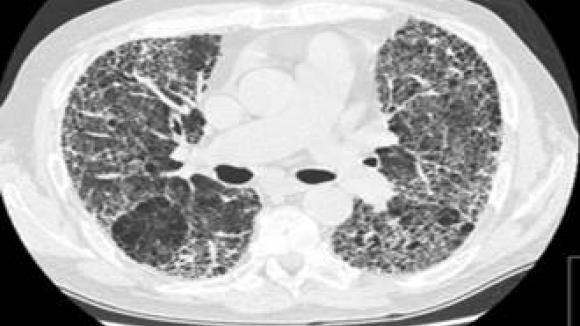
Like other extraarticular manifestations, rheumatoid (RA) or connective tissue disease (CTD) related interstitial lung disease (ILD) is difficult to identify early and equally challenging to treat.
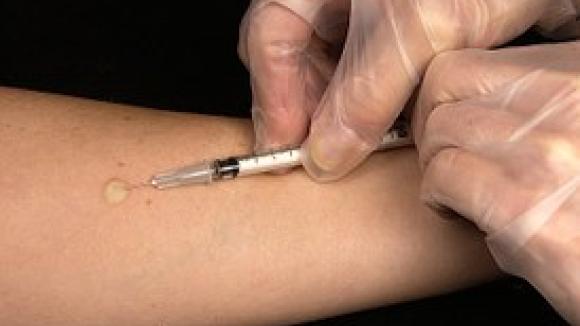
Numerous guidelines (ACR, ACIP/CDC, ATS, NICE) all call for timely vaccinations in patients with rheumatoid arthritis (RA) and those receiving immunosuppressives or biologics.

Posterior reversible encephalopathy syndrome (PRES) is a rare neurological disorder with many associations or causative factors that rarely includes autoimmune disorders and lupus.

Major advances in biosimilars have occurred in the last three months, beginning with the FDA Arthritis Advisory Committee voting 21-3 to approve Celltrion’s Inflectra (CT-P13) and ending with the recent approval of Inflectra (generically referred to as infliximab dyyb).

Systemic lupus is a clinically heterogeneous disorder, unified by requisite clinical features and exuberant humoral response to unknown triggers. While the diagnosis is easy, the disease course and management can be complicated and challenging.

In a retrospective cohort comparison study, 42,180 rheumatoid arthritis (RA) patients were compared 1:4 with 168,000 normal controls to examine the incidence of new tuberculosis in Taiwan. The RA population included those receiving csDMARDs (36,162), etanercept (3,577), adalimumab (1,67

This week, when the FDA approved the biosimilar drug Inflectra as an alternative to infliximab (Remicade), it was only the second biosimilar to be granted approval in the United States, and was the fi

Dr. Jack Cush reviews the rheumatology highlights from the news, media, and journals from this past week:
By downloading this material, I acknowledge that it may be used only for personal use and personal education and that I will accredit RheumNow.com as the source and owner of this material. Commercial use or mass reproduction of this material without permission from RheumNow (info@rheumnow.com) is prohibited.