Lancet reports that in a randomized, blinded, controlled trial, gabapentin failed to significantly lower pain scores in women with chronic pelvic pain, and was associated with higher adverse event rates compared to placebo.

All News
Dr. Jack Cush reviews the news and Journal articles from the past week on RheumNow.com.
JAMA Dermatology reports a claims-based, case-time-controlled French study of 9290 psoriasis patients suggesting that ustekinumab initiation may be associated with an increased risk of acute coronary syndrome or stroke in high risk cardiovascular patients.
Patients with RA have up to a three-fold increased risk of mortality versus the general population, largely due to an increased incidence of premature CVD, such as atherosclerosis and heart failure.
Dr Jack Cush reviews the news and journal reports from the past week on RheumNow.com:
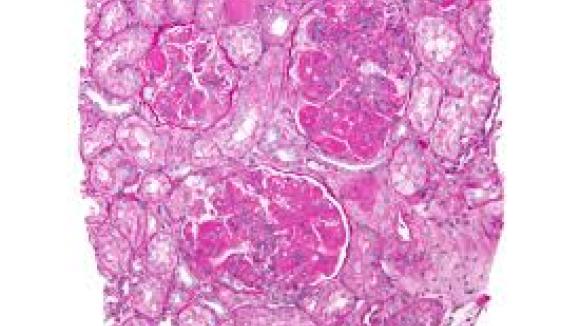
Dr. Rich Furie has lead a group of investIgators in reporting the significant efficacy of intravenous belimumab when added to standard of care induction therapy in patients with active lupus nephritis. This phase 3, 2-year study included 448 systemic lupus erythematosus patients with biopsy proven lupus nephritis (class III or IV +/- V) patients who required induction therapy and have a UPCR ≥1 g/g.
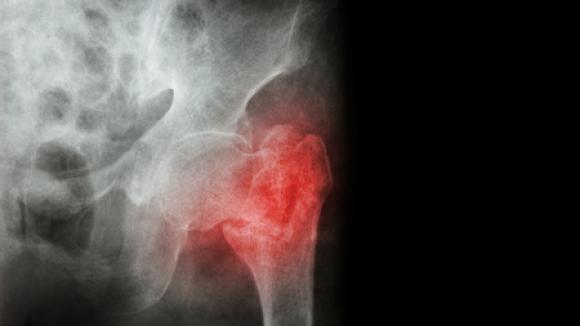
Data from the Framingham Heart Study has shown that hip fracture incidence has decreased over time, probably resulting from improved lifestyle changes (less smoking and heavy drinking).
JAMA Internal Medicine reports on a controlled clinical trial of knee osteoarthritis patients wherein meloxicam responses were not significantly or clinically superior to placebo or CBT (after placebo).
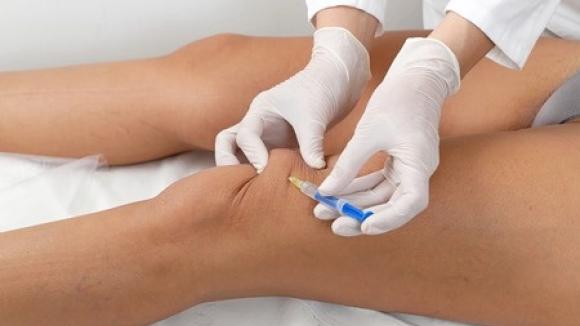
Highly purified synthetic trans-capsaicin (CNTX‐4975) injected directly into the joint reduced pain in chronic knee osteoarthritis (OA), data from the open-label phase III VICTORY-3 trial showed.
Arthritis and Rheumatology reports that a Mediterranean diet (MD) is capable of reducing the high risk of RA among women who have smoked tobacco. The results stem from the E3N Study, a French prospective cohort study that collects dietary data on 98,995 women since 1990. An MD score was derived from standardized questionnaires.
Drugs inducing lupus may account for nearly 30% of all subacute cutaneous lupus erythematosus (CLE) and up to 15% of systemic lupus erythematosus (SLE) cases. Moreover there are over 100 drugs capable of inducing drug-induced lupus erythematosus.