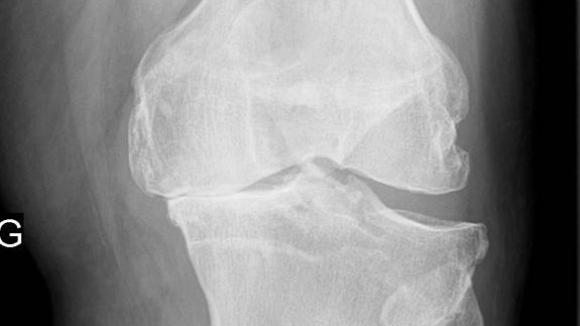
The interleukin (IL)-1β inhibitor canakinumab (Ilaris) showed promise for preventing the need for hip or knee replacement among patients with osteoarthritis in an exploratory analysis of data from a randomized clinical trial, investigators reported.
Among patients enrolled in CANTOS, the pooled incidence rate for total hip replacement/total knee replacement was 0.31 events per 100 person-years for those receiving the monoclonal antibody every 3 months for up to 5 years compared with 0.54 per 100 for those given placebo, according to Paul M. Ridker, MD, of Harvard Medical School in Boston, and colleagues.
All News
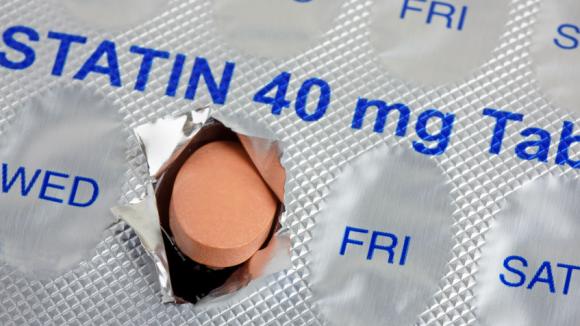
Ridker and colleagues have shown that statins (3-hydroxy-3-methylglutaryl coenzyme-A (HMG Co-A) reductase inhibitors) are effective at treating hyperlipidaemia and lowering C-reactive protein levels; Aranaow and colleagues have shown that lovastatin, when given to rheumatoid arthritis (RA) patients with elevated CRP levels failed to significantly lower disease activity.
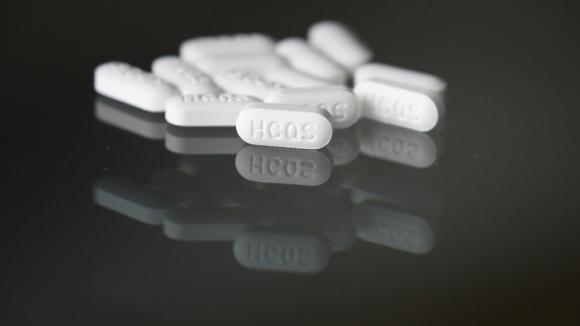
JAMA Internal Medicine has posted an Editor's note on the use of hydroxychloroquine for COVID-19; noting the sequence of dysfunction since the president promoted its use on March 21, 2020, when he said “What do you have to lose? I’ll say it again: What do you have to lose? Take it.”.
If you’re looking for some great advice to consider or rebuke, here is the generous guidance of nearly two dozen leaders in rheumatology who sincerely offer you their wisdom and best wishes.
A study from 2 gout clinics implementing different treatment strategies has shown that a treatment strategy that aims to strictly achieve low uric acid (UA) results in a higher a rate of targetd serum UA lowering and less gout flares.
The efficacy of intravenous pegloticase (PEG) therapy in gout can be limited by its toxicity, but when coadministered with weekly methotrexate, higher response rates and less toxicity was observed.
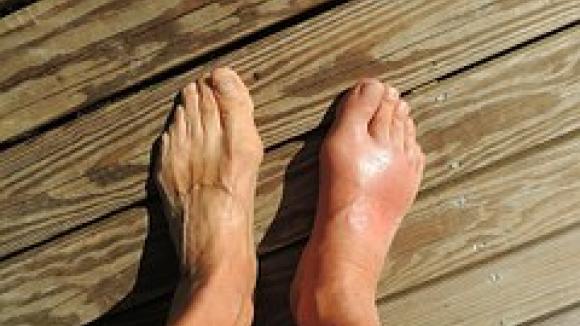
Danve and Neogi have an editorial in the current Arthritis & Rheumatology about the burden of gout that affects 41 million adults worldwide, according to the Global Burden of Disease Study 2017 (GBD 2017) also published in the same issue.
This makes gout twice as prevalent as rheumatoid arthritis (19 million). This prevalence of this most common inflammatory arthritis is undermined by numerous challenges in the diagnosis and examples of insufficient disease management. The editorial points out the magnitude of the disease and the many challenges facing rheumatologists.
The SEMIRA trial studied the tapering vs continuing oral glucocorticoids in rheumatoid arthritis (RA) patients who achieved a low disease activity state (with tocilizumab) were more likely to show safety and better disease control with continuing steroids - even though two-thirds of patients were able to safely taper their glucocorticoid dose.