
Article
Monotherapy with apremilast (Otezla) among patients with psoriatic arthritis who were biologic-naive was significantly more effective than placebo as early as week 2 in a phase IIIb study.

Search for Terms or Answers
Monotherapy with apremilast (Otezla) among patients with psoriatic arthritis who were biologic-naive was significantly more effective than placebo as early as week 2 in a phase IIIb study.
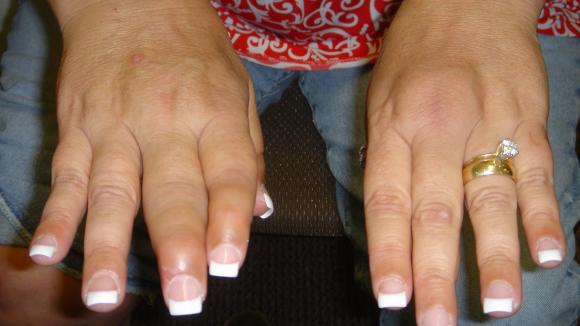
Is your patient’s refrigerator the problem with the inefficacy of biologic therapies? Studies show most patients don't store their biologics correctly, which may be a source of limited drug efficacy.

By retrospectively reviewing electronic health record (EHR) data, Kreps et al found that rheumatoid arthritis (RA) patients who lost >5 kg of weight were three times more likely to demonstrate improvement in disease activity.

In 2016 the WHO set out to eliminate HBV infection as a public health threat by 2030. So far, we are far from this goal as vaccine implementation has been suboptimal in a number of important patient populations, including patients with rheumatologic diseases, as well as other immunocompromising diseases like HIV.

Since 2000, the German Biologics register (BiKeR) has prospectively enrolled children with juvenile idiopathic arthritis to assess outcomes with biologic therapies. A new report evaluates the efficacy and safety of etanercept (ETA), tocilizumab (TOC) and the interleukin-1 inhibitors (anakin
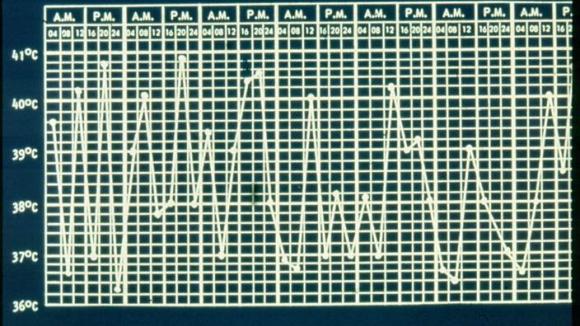
A study from Nature Neuroscience shows that a high salt diet may mediate neurovascular disease by altering microbiome and the expansion of TH17 cells in the small intestine, thereby increasing plasma interleukin-17 (IL-17) and its subsequent effects on endothelium in the brain.

JAMA reports the results of a 5 year Finnish study comparing the results of laparoscopic sleeve gastrectomy vs Roux-en-Y gastric bypass and shows that gastric bypass yielded greater weight loss at 5 years, the difference was not statistically significant, in patients with morbid obesity.

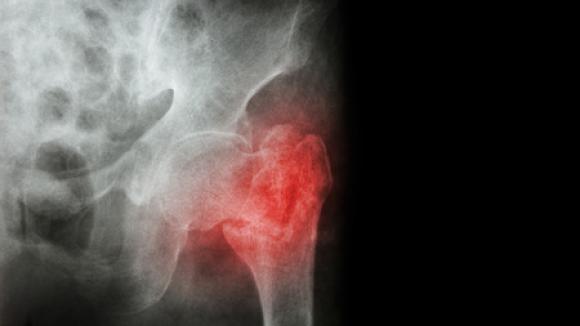
Reuters reports that the incidence of hip fractures in older women in the U.S. is rising after more than a decade of decline, according to a large new study of Medicare recipients.
Dr. Jack Cush reviews a dozen highlights from the past week on RheumNow.com.

PNAS reports use of ibuprofen by males may result in antiandrogen effects that may contribute to adult male reproductive problems.

The latest issue of CDC’s MMWR reports that exercise counseling among arthritis patients increased from 52% to 61% (2002 to 2014); hence ~40% do not receive health care provider counseling, suggesting the need for provider education and training in exercise counseling, and improved electroni

MedPage Today Editors surveyed a few rheumatologists for their major news predictions in 2018. Read on for predictions regarding drug pricing, biosimilars, autoimmunity and checkpoint inhibitors, and thrombotic events and JAK inhibition.

Recent JAMA study shows metanalysis of 33 clinical trials and 51,145 participants, showed that calcium, vitamin D, or both affords no decreased risk of hip fractures compared with placebo or no treatment and therefore questions their routine widespread use in the elderly..

Dr Jack Cush reviews the news and journal articles from the past week on RheumNow.com.
An editorial and systematic review of complications seen when checkpoint inhibitor (CPI) therapies are given to patients with immune mediated inflammatory disorders (IMIDs) and cancer shows that nearly 75% manifest autoimmune and inflammatory immune-related adverse events (irAEs).

A UK Study published in Lancet shows that community-based screening programme for fracture risk in older women is feasible, and may reduce hip fractures.
The Journal of Rheumatology has published a nationwide survey of US rheumatologists and shown that despite trends for increasing metric assessments, nearly half of rheumatoid arthritis (RA) patients are not routinely assessed with a disease activity metric and the evidence they

Rheumatology has published a study demonstrating that bone marrow edema as measured by magnetic resonance imaging (MRI) may be found in healthy people, but that such changes do not change with intense physical activity.
Patients with ankylosing spondylitis (AS) have shown rapid and sustained responses to secukinumab (Cosentyx) in a third phase III trial that includes a higher dose of this anti-interleukin-17A monoclonal antibody, researchers reported.

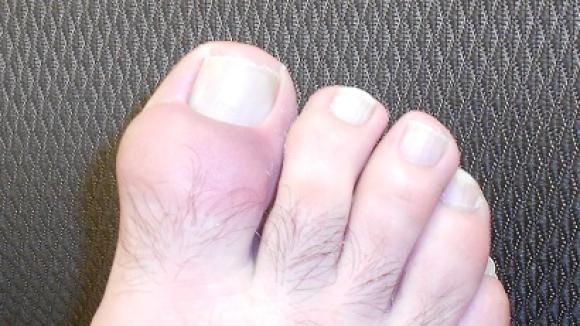
The British Society for Rheumatology/British Health Professionals in Rheumatology first published a guideline for the management of gout in 2007. They have just updated and published their new guideline, largely because of new therapies, an increasing incidence of gout, low penetrance of urate lowering therapies, and the inability to achieve a target serum uric acid level.
By downloading this material, I acknowledge that it may be used only for personal use and personal education and that I will accredit RheumNow.com as the source and owner of this material. Commercial use or mass reproduction of this material without permission from RheumNow (info@rheumnow.com) is prohibited.

